

Worn Photographs, Living Stories
By Pietro Cafarelli, Student Researcher, La Mananara Field Site

The team, from left to right: Wildlife Madagascar guide Roger Randriamihaja, Pietro Cafarelli from the University of Parma, and Marie Jeanne Razafiarivony from the University of Antananarivo.
In late July, I traveled to La Mananara to conduct a study on the local communities living near the Anjozorobe-Angavo forest, with the goal of learning about their stories, beliefs, and practices related to local wildlife. This work, which contributes to my Master’s degree at the University of Parma, plays a vital role in shaping Wildlife Madagascar’s education programs and ensures that conservation efforts remain respectful, effective, and rooted in local culture. To support our interviews, we brought 25 photographs of animals known to inhabit the region, along with species profiles detailing their natural histories, as there was a significant amount of information to manage.
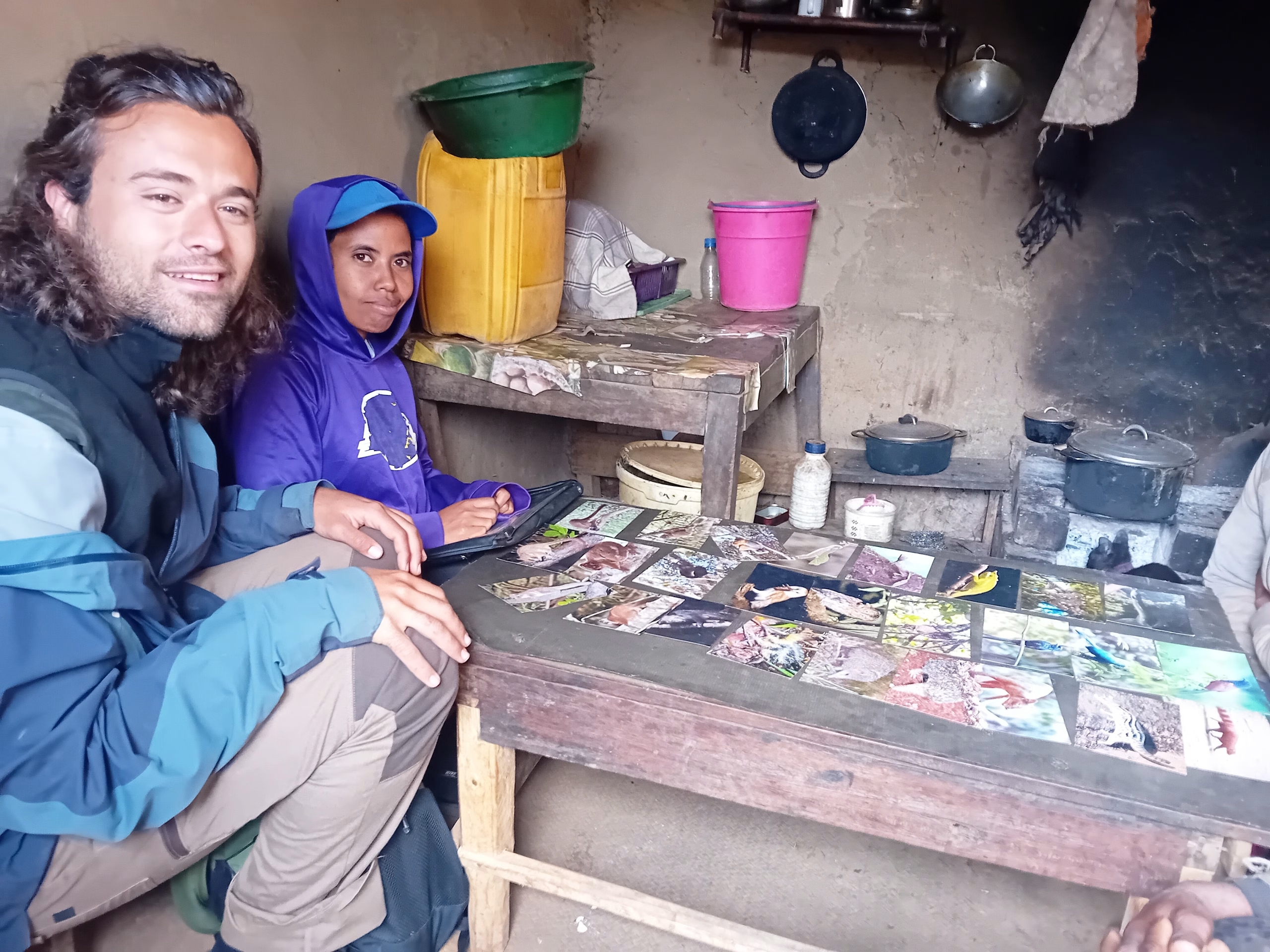
Pietro and Marie Jeanne reviewing various photos of local wildlife.
Beyond nature and agriculture
The villages in this region are widely scattered, and reaching them often meant long, demanding hikes. Yet, these daily treks led us through breathtaking landscapes. The dense, vibrant forest would occasionally open up to reveal rice paddies, their varying shades of green bordered by raised mud paths that allowed people and livestock to pass. This interplay between wild and cultivated spaces echoed the stories shared by local people—narratives that were both familiar and unexpected. Their histories (tantara) and folktales (angano) often reflected a deep ecological and ethological knowledge, revealing a relationship with wildlife marked by coexistence, conflict, and even predation. But these stories went far beyond mere observations of nature. Wild animals were woven into broader cultural worlds—linked to kinship, taboos, moral values, traditions, luck (both good and bad), spirituality, medicine, the sacred, ancestors, and more.
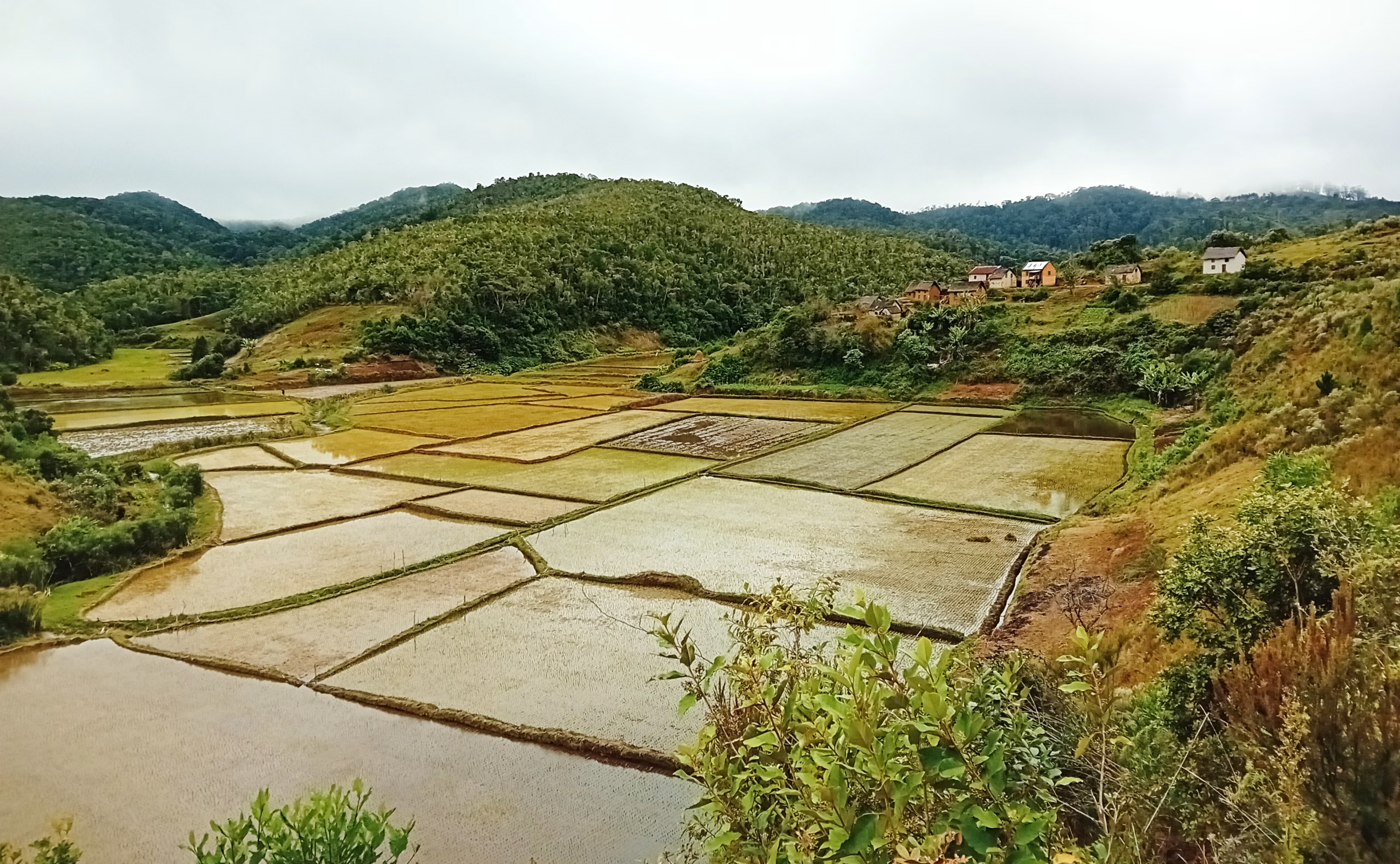

Agricultural areas adjacent to the Anjozorobe-Angavo Protected Area are often in valleys.
crossing rivers
As the weeks went by, the landscapes and paths became more familiar, just like the stories about animals we kept hearing. We started to recognize recurring themes and practices, linking different narratives together and beginning to grasp the underlying logic of stories that had first seemed unbelievable. Over the course of two months, as we grew more confident in navigating river crossings and terrain, we also became more fluid in moving between conversations, ideas, and systems of knowledge.

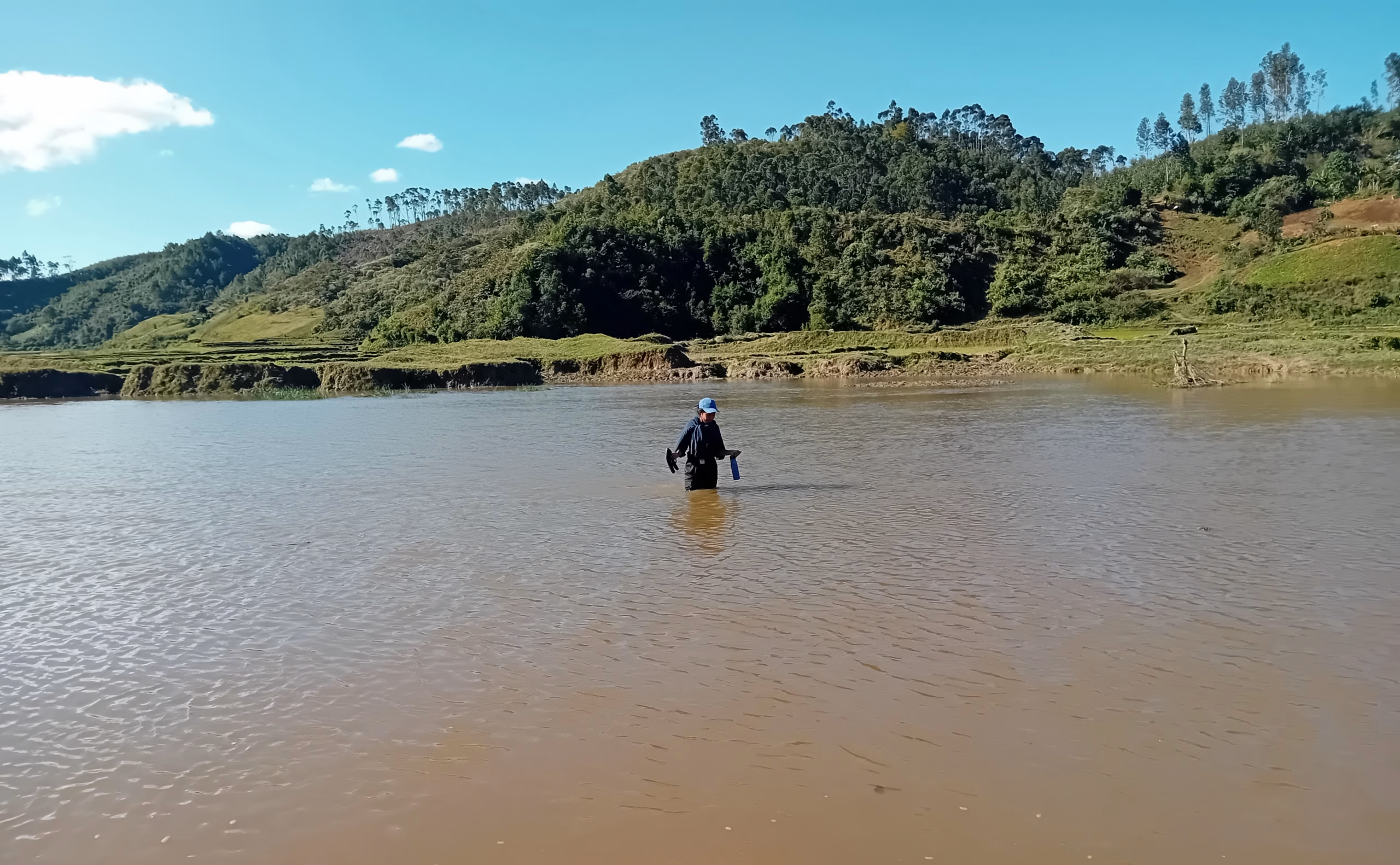
Traveling between rural villages is always an adventure!
changing images
Towards the end of our journey, the printed photographs we had carried with us had visibly changed. After countless interviews, they were smudged, creased, and worn—but somehow, they felt more alive, as though they had absorbed the many hands that had held them and the stories they had helped evoke. Our perception of the animals had changed, too. When a blue coua (Coua caerulea) flew past, we smiled, seeing it as a sign of good luck or the coming of fair weather. The haunting call of the indri (Indri indri) brought to mind the tale of a father and son calling to each other, lost in the forest, and the memory of the indri’s face-fur coloring evoked the story of an ancestor who left his village after being struck with a large ladle. The crested drongo (Dicrurus forficatus) had become, in our minds, the king of birds—whether for its mastery of the songs of all other birds or its cleverness in outwitting rivals. And so the animals we once knew as mere species had become characters in a rich cultural tapestry.
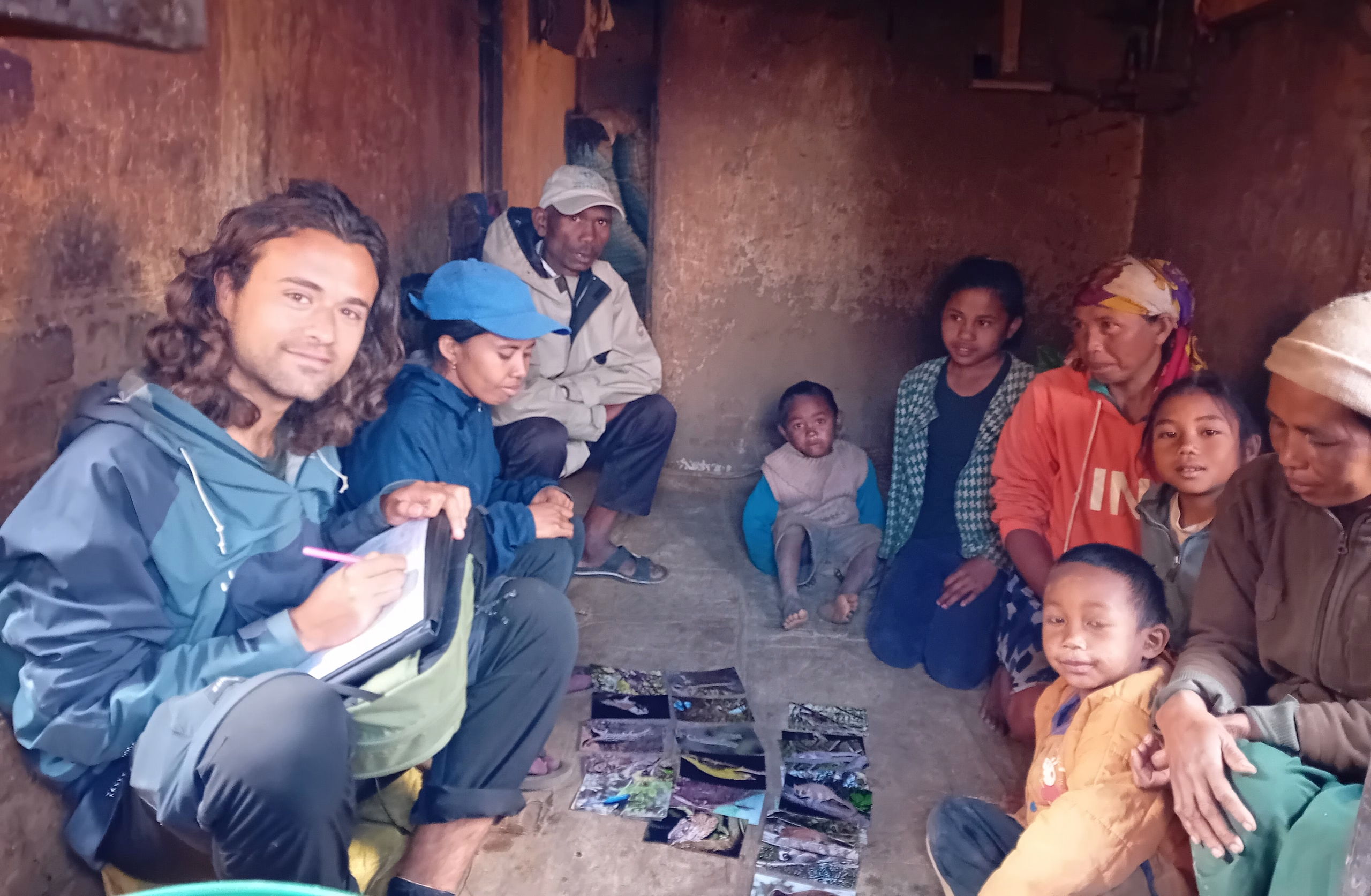
Interviews were fascinating and enjoyable conversations.
Sadly, the disappearance of these wild animals is deeply entwined with the erosion of the local knowledge that surrounds and gives meaning to them. But in listening to, sharing, and honoring these stories, we hope to help spark a virtuous cycle—one that supports both cultural memory and conservation. We are deeply grateful to all those who generously shared their time, experiences, and knowledge with us. By sharing these words, we hope to help imagine and build new worlds—ones that are more livable for all beings, human and non-human alike.