Wildlife Conservation in Madagascar

Wildlife Madagascar is a nonprofit conservation organisation committed to conserving lands and primary forest in Madagascar, protecting the country’s unique wildlife and biodiversity. Madagascar is one of the world’s most important biodiversity hotspots, home to lemurs, chameleons, and thousands of endemic species found nowhere else on Earth.
By safeguarding biodiversity through multiple approaches and with wide-ranging partnerships, we help combat the effects of climate change and support long-term wildlife conservation in Madagascar. We focus on partnering with Malagasy communities to develop sustainable conservation solutions that protect forests, wildlife habitats, and improve local livelihoods.




Why Madagascar’s Wildlife Matters
Madagascar is one of the world’s most unique and irreplaceable environments, with the majority of its wildlife found nowhere else on Earth. From lemurs to rare plants and forests, this extraordinary biodiversity is under increasing pressure from deforestation, climate change, and habitat loss. Protecting Madagascar’s wildlife requires long-term conservation efforts that work in partnership with local communities.
LATEST NEWS
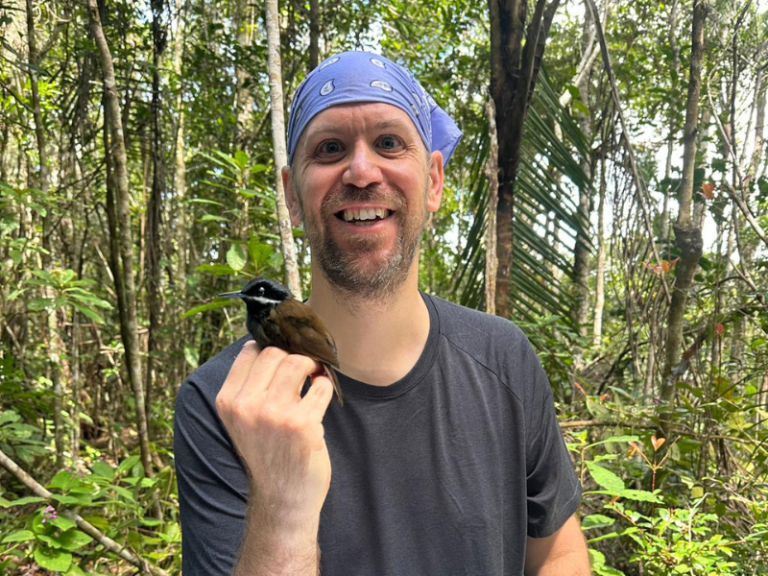
A Greater View of Vangas: Matt McGee’s Third Field Season
A Greater View of Vangas: Matt McGee’s Third Field Season Matt McGee, a PhD candidate in the Razafindratsima Lab…
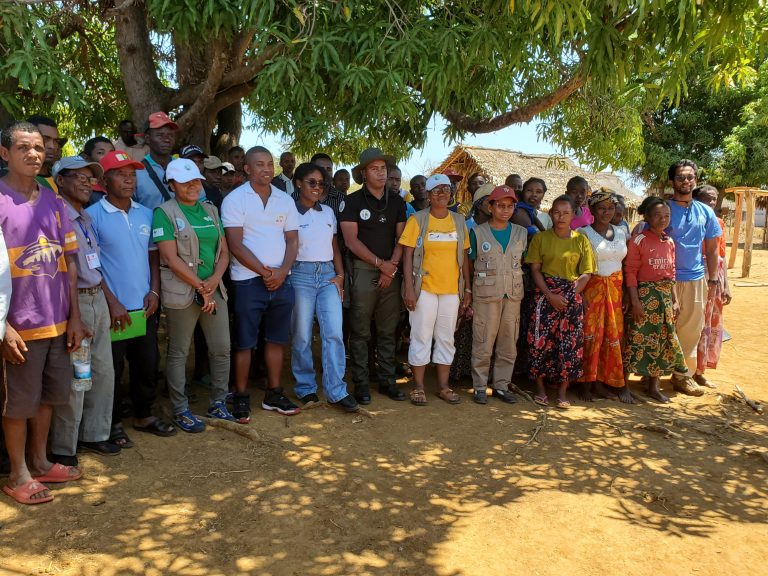
Protecting Namoroka: A Community Workshop on Fire Prevention
Protecting Namoroka: A Community Workshop on Fire Prevention Last month, Wildlife Madagascar joined Madagascar National Parks (MNP) for an…
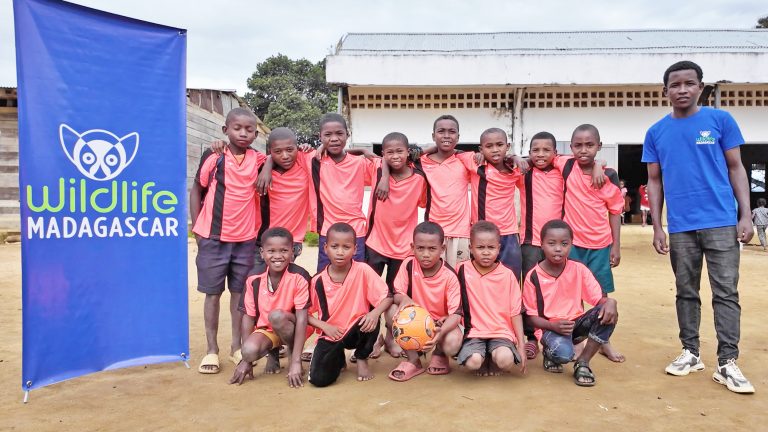
Building Team Spirit with Friends of Madagascar
building team spirit with friends of madagascar A generous gift from our partner, Friends of Madagascar, is bringing new…
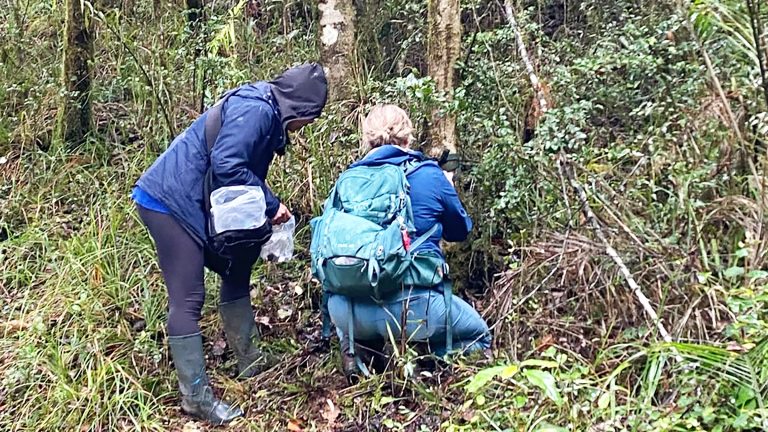
Caught on Camera
Caught on Camera Camera traps are an important part of our long-term biodiversity monitoring at La Mananara, allowing us…
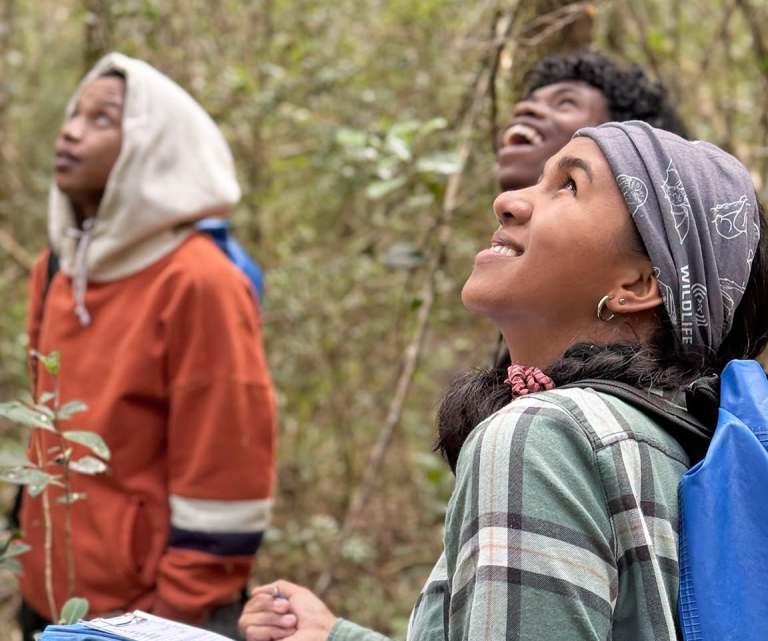
Congratulations to Koloina Rakotoarivelo on Her New Research Grant
Congratulations to Koloina Rakotoarivelo on Her New Research Grant We are excited to congratulate Koloina Rakotoarivelo, a PhD student…
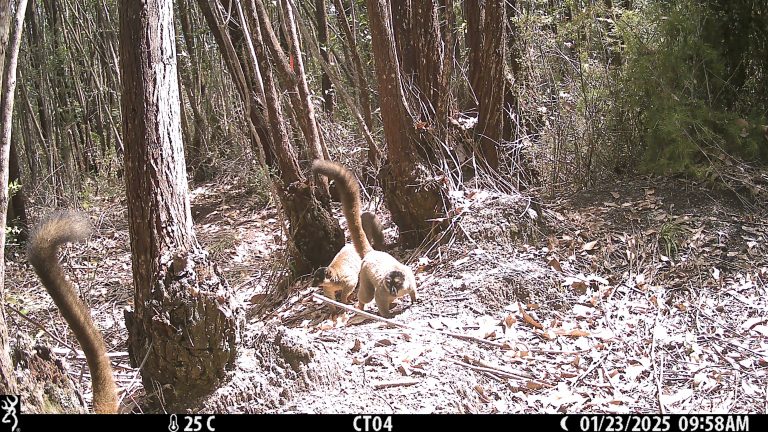
When Lemurs Take to the Eucalyptus: Surprising Sightings at La Mananara
When Lemurs Take to the Eucalyptus: Surprising Sightings at La Mananara Not all of Madagascar’s lemurs spend all their…
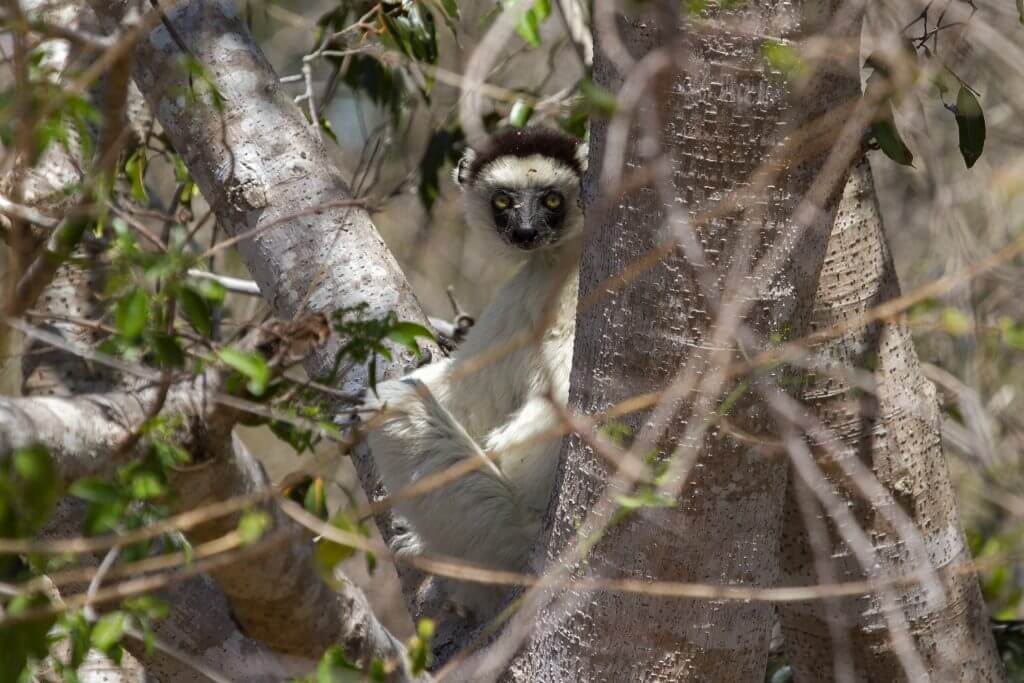
conservation Powered by community
Our expertise is in working with Malagasy communities to develop and support local conservation initiatives based on their expressed needs. We bring together individuals, key groups, local organisations, nonprofit partners, and government agencies to create conservation programs that lead to lasting change.


Through community-based conservation, we aim to alleviate poverty while protecting Madagascar’s wildlife, forests, and natural resources in one of the world’s most threatened and irreplaceable environments.
BEAUTIFUL PARKS, POWERFUL PROTECTION
Wildlife Madagascar applies an integrated community conservation and development approach to protecting wildlife in key conservation areas of Madagascar. Our conservation projects include park management planning and implementation, community patrols, biodiversity monitoring, and sustainable livelihood development for local residents.
We also support environmental education and provide training for farmers to improve agricultural and forestry practices, helping to reduce pressure on forests and increase food security. By combining local knowledge with scientific research and conservation expertise, we are working to protect Madagascar’s unique ecosystems and wildlife for future generations.


Ecotourism and Sustainable Livelihoods
To support and expand these conservation projects over time, Wildlife Madagascar is developing sustainable and carefully managed ecotourism and nature-based tourism initiatives. Ecotourism in Madagascar offers a powerful opportunity to protect wildlife while improving livelihoods for local communities.
When responsibly managed, ecotourism can benefit the environment, local economies, and visitors, while creating long-term incentives to conserve forests and wildlife habitats. These initiatives help provide jobs, support conservation efforts, and allow visitors to experience Madagascar’s extraordinary biodiversity.
This initiative will help protect wildlife habitats and forests, provide jobs for local communities, and create long-term economic incentives to conserve Madagascar’s natural environments. It will also give wildlife enthusiasts, conservation supporters, and nature travellers the opportunity to experience Madagascar’s unique biodiversity while supporting conservation and community development.
Join us in taking action to SAVE
Madagascar’s wildlife!
Join us in taking action to protect Madagascar’s wildlife and biodiversity. You can support our conservation work by donating, volunteering, partnering with us, or visiting Madagascar through responsible ecotourism experiences.
Together, we can help conserve Madagascar’s forests, protect endangered species like lemurs, and support sustainable futures for local communities.
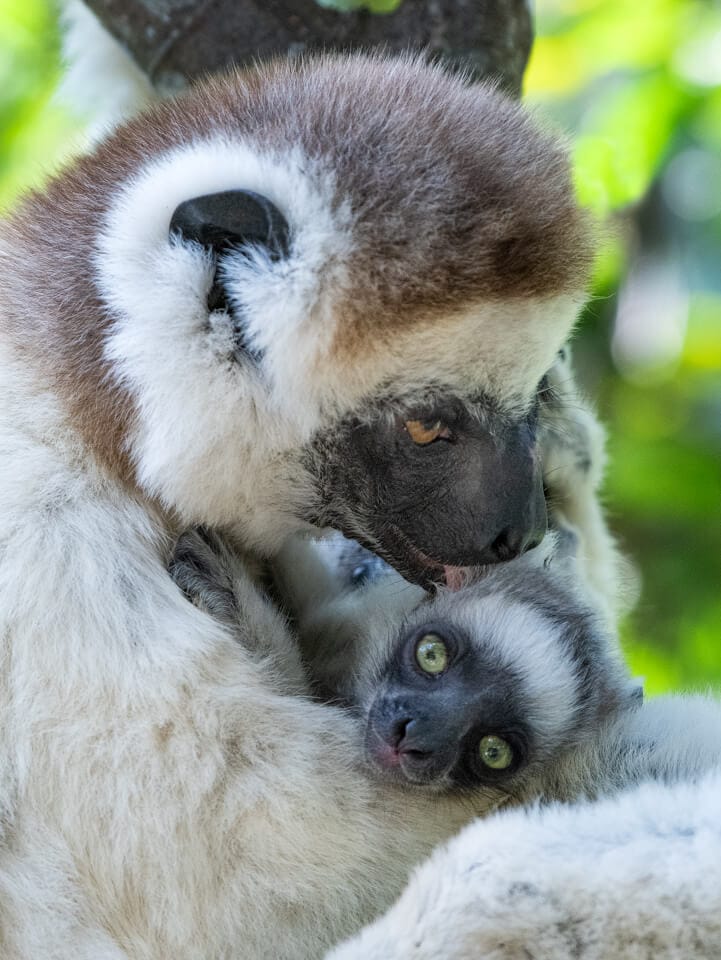
madagascar stories
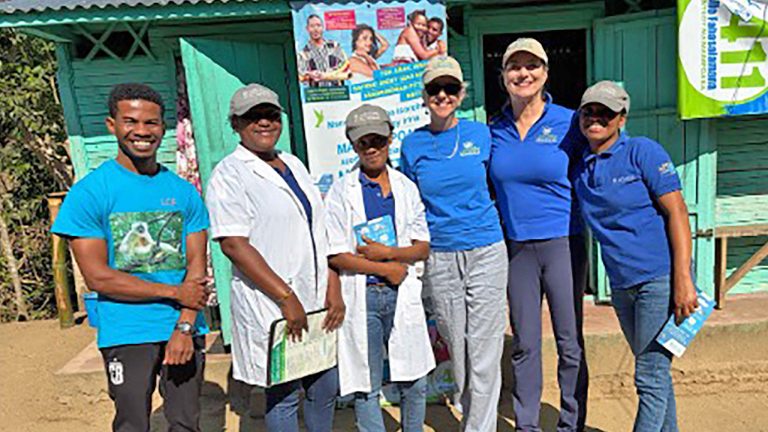
Madagascar: Where Family Planning and Conservation Meet
The Stories Behind the Numbers
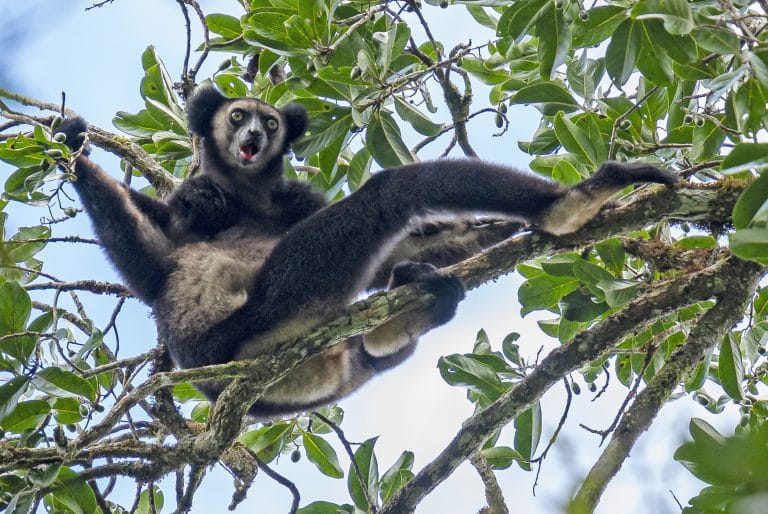
From Student to Conservationist: One Month That Changed My Perspective

Mission-driven team: Building the foundation for dry forest conservation in southern Madagascar

Hidden in Plain Sight: Discovering Namoroka’s Tiny Chameleons

A Gap Year in the Field: Protecting Biodiversity in Madagascar
OUR PARTNERS











corporate impact sponsors