

Mantella aurantiaca
CRITICALLY ENDANGERED
STATUS
Critically Endangered
SIZE
1 in (2-3 cm)
HABITAT
Rainforest
DIET
Insects
LIFESTYLE
Diurnal
Semi Aquatic
THREATS
Habitat Loss
Climate Change
Chytrid Fungus Disease
Pet Trade

INTERESTING FACTS
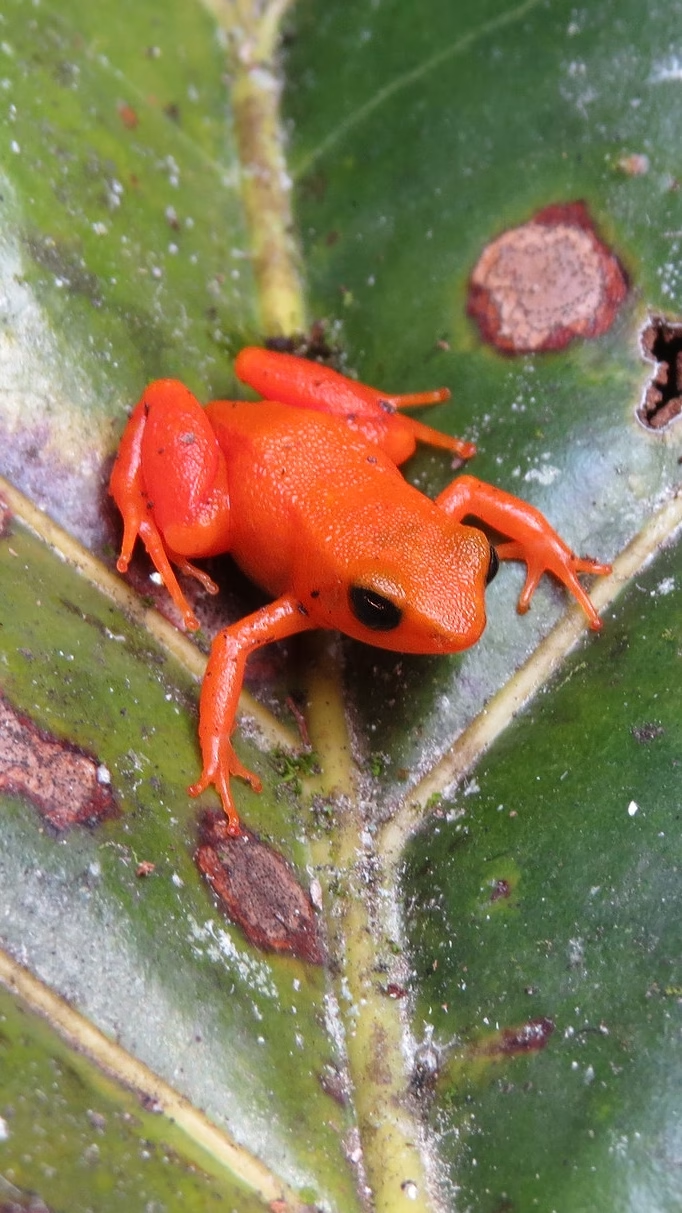
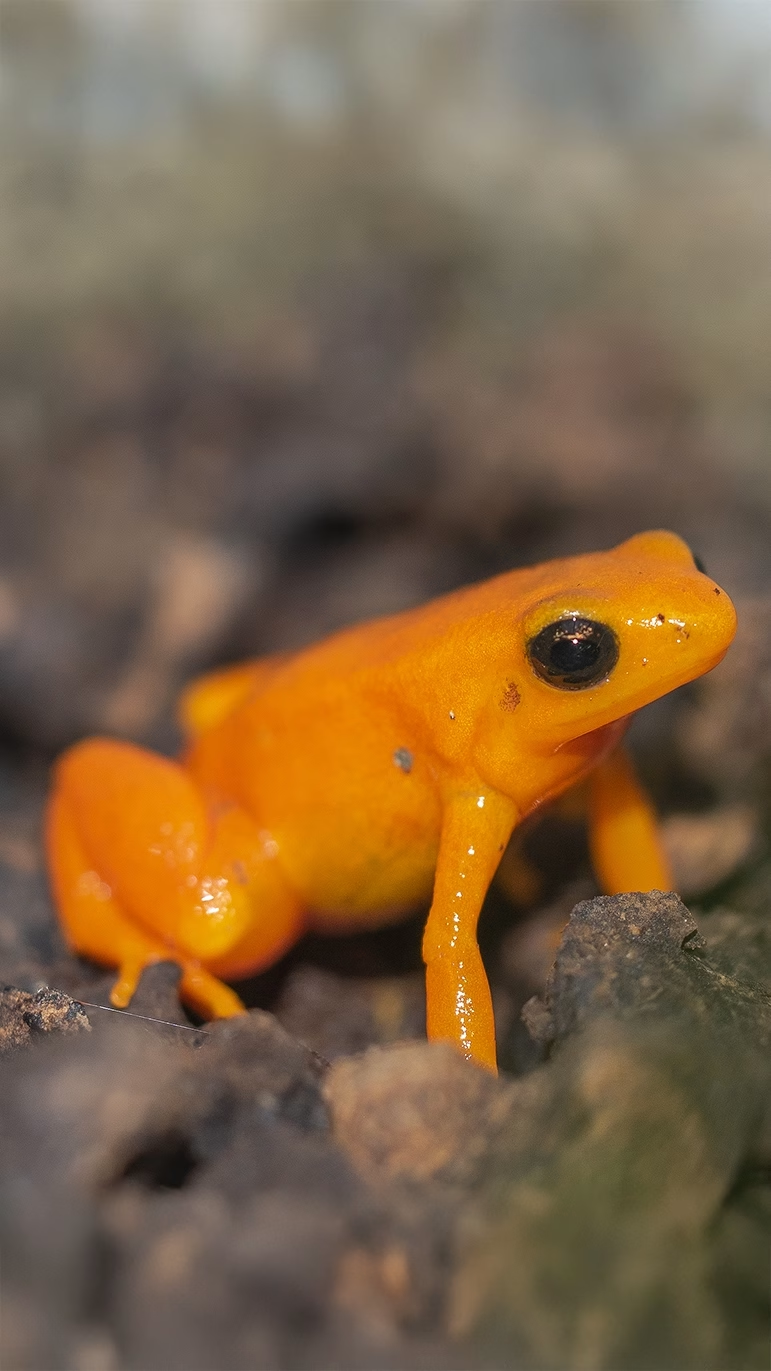
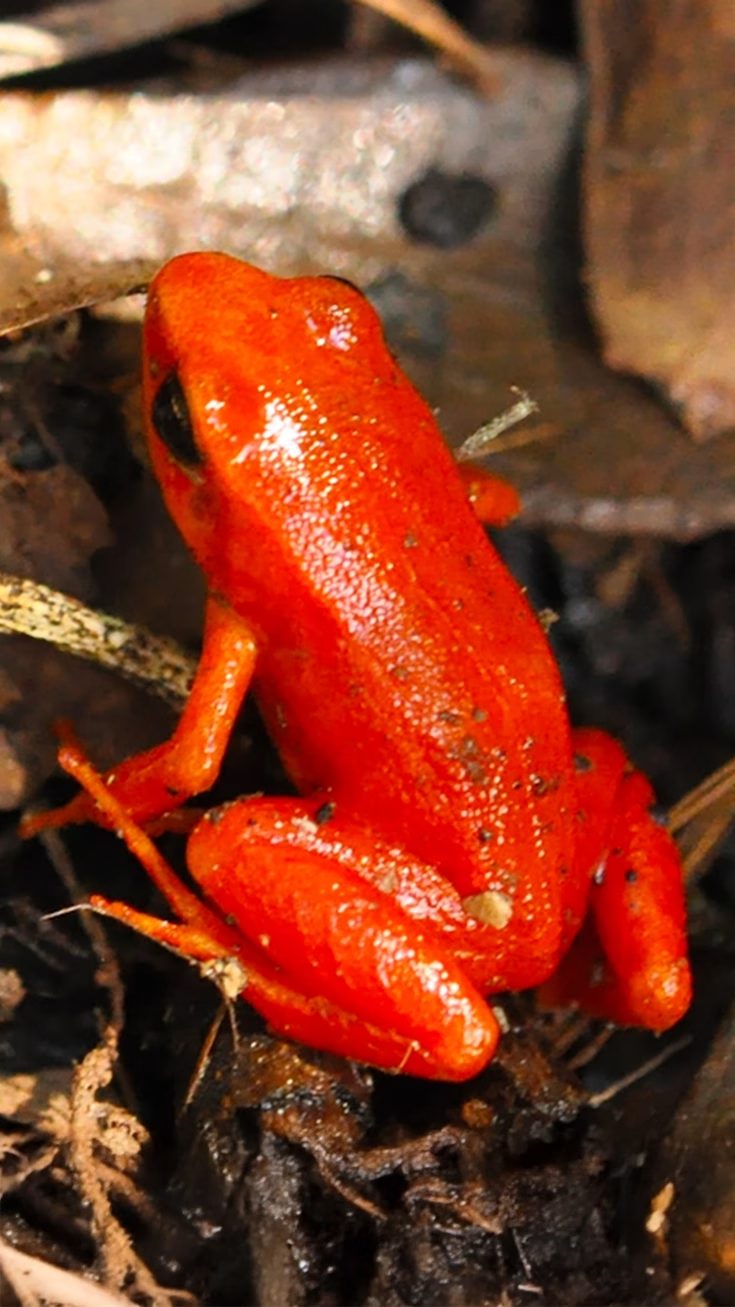
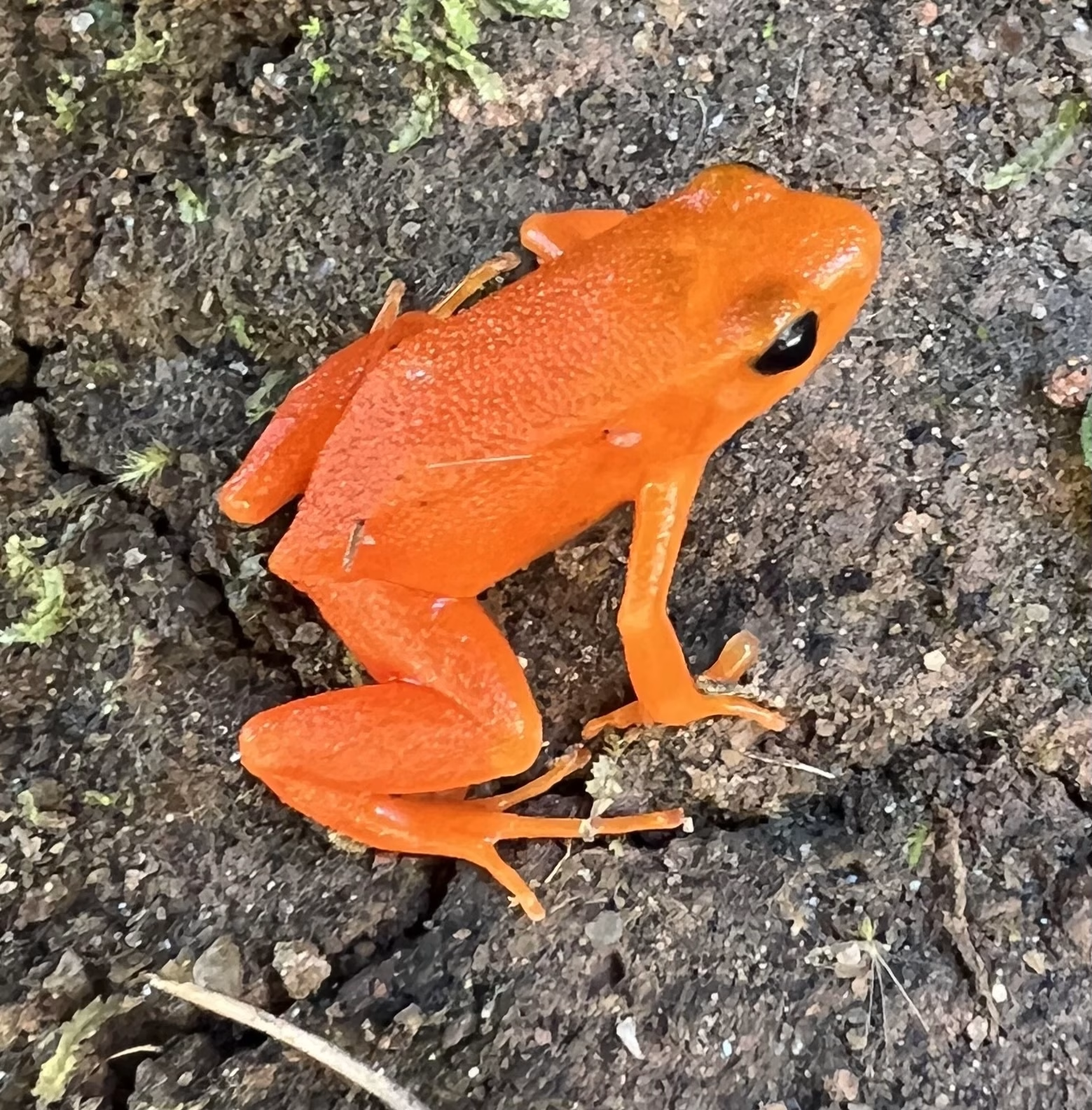
The golden mantella is about the size of a paperclip, yet its bright orange color makes it one of the most eye-catching frogs in the world.
These frogs secrete toxins from their skin, which they get from eating certain ants and mites.
Males produce high-pitched, chirping calls during the breeding season that sound more like insects than frogs.
Despite being amphibians, golden mantellas spend most of their time on land and aren’t strong swimmers.
Characteristics
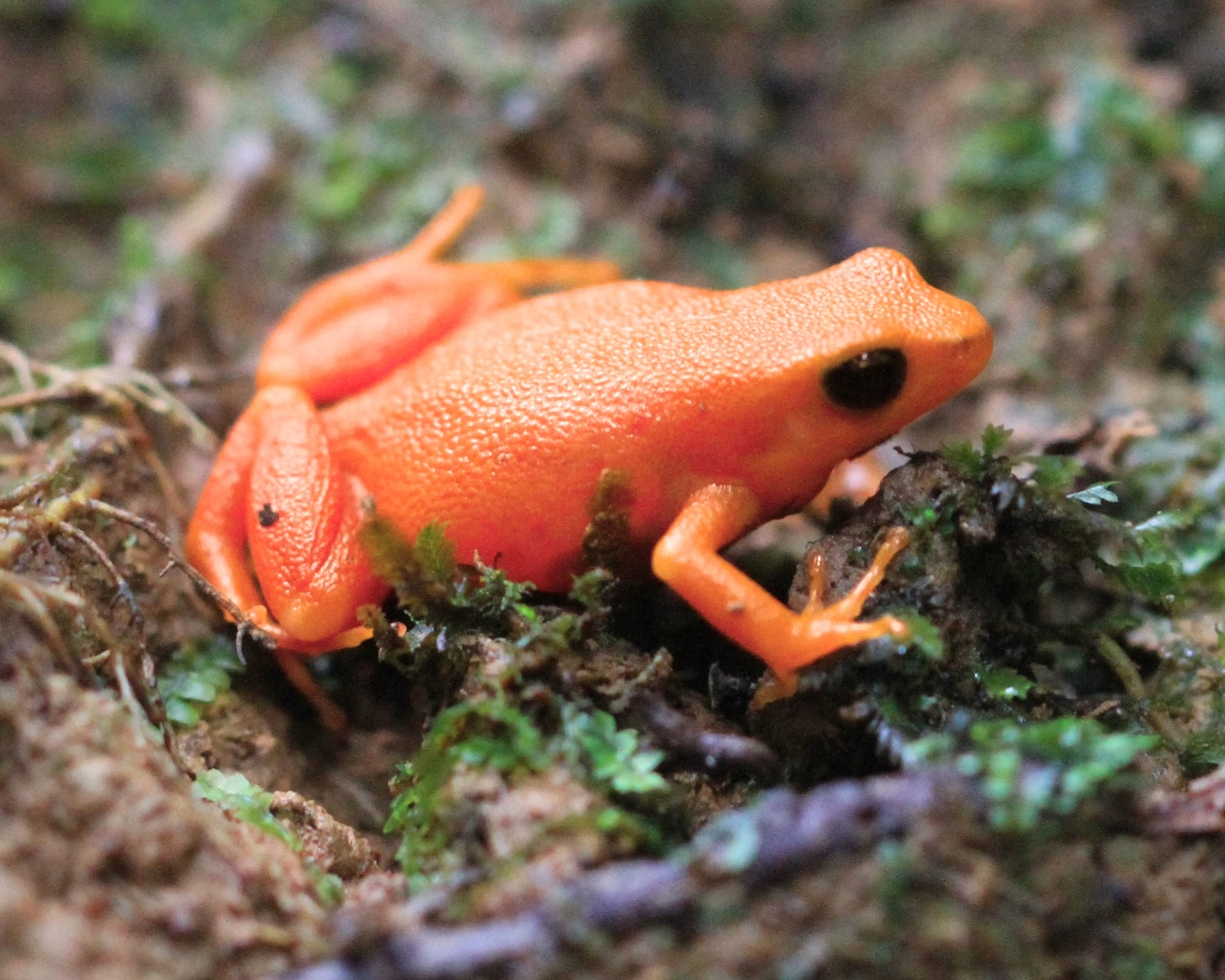
The golden mantella is a petite frog, typically measuring about one inch in length. What it lacks in size, it more than makes up for in color. Its body is a vivid orange to golden-yellow, sometimes with hints of red, making it look like a living gemstone against the forest floor. The skin is smooth and slightly shiny, giving it a polished appearance. Unlike many frogs, the golden mantella lacks extensive webbing between its toes, as it spends more time hopping through leaf litter than swimming. Its eyes are dark and alert, often outlined by subtle shading that adds to its expressive look. This brilliant coloration is an example of aposematism: a warning signal to predators that the frog is toxic. In the wild, the skin secretes mild alkaloid toxins that make it unpalatable, discouraging would-be attackers.
Habitat
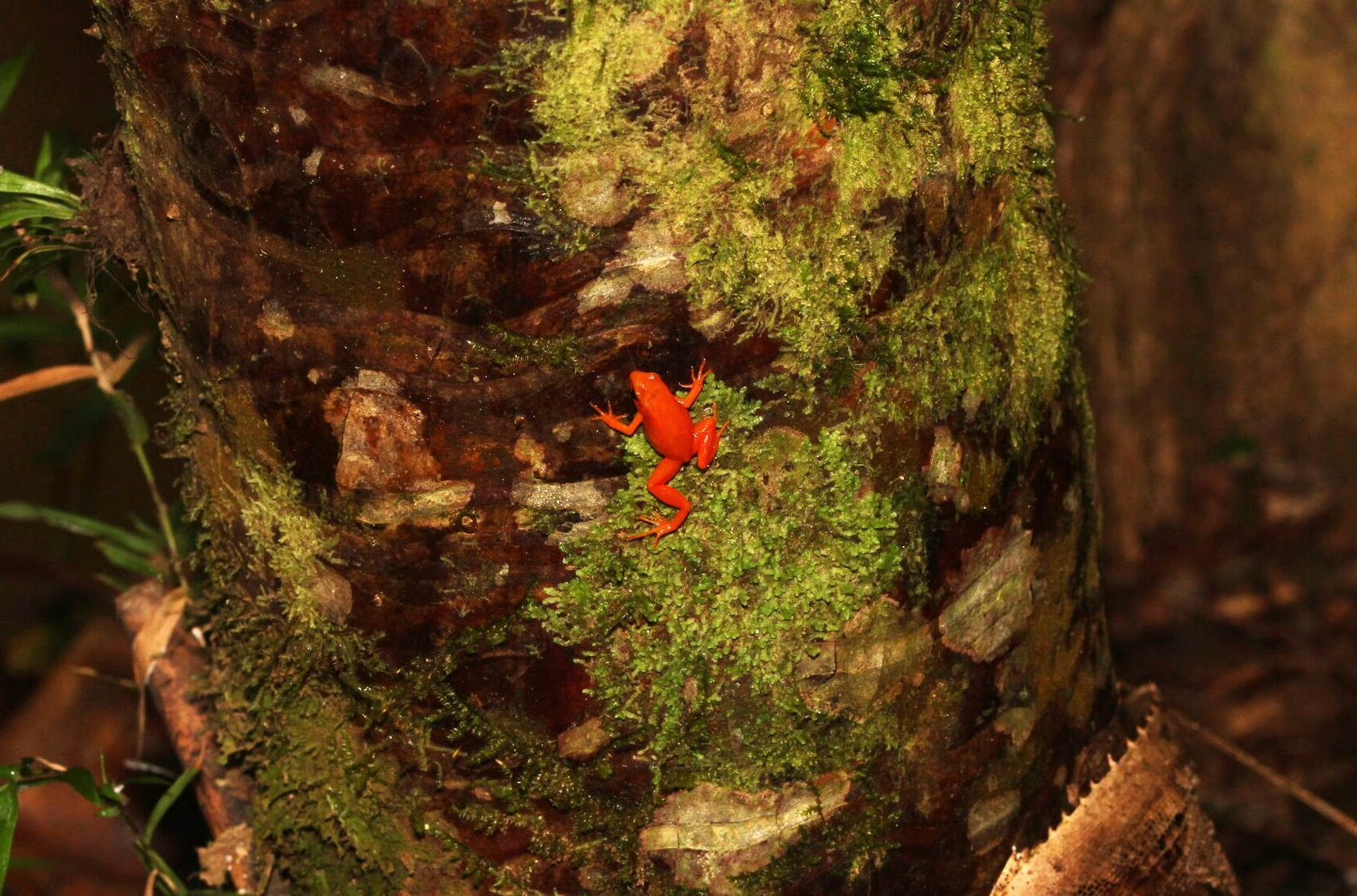
The golden mantella is endemic to Madagascar, meaning it is found nowhere else on Earth. Its natural range is extremely limited, primarily confined to central-eastern Madagascar. It inhabits humid lowland and montane rainforests, favoring areas with moist leaf litter, moss-covered ground, and proximity to slow-moving streams or seasonal pools. While adults live mostly on land, they depend on nearby water sources for reproduction. Even small changes in moisture levels or forest structure can have major impacts on their survival, making them highly sensitive to environmental disturbance.
Diet
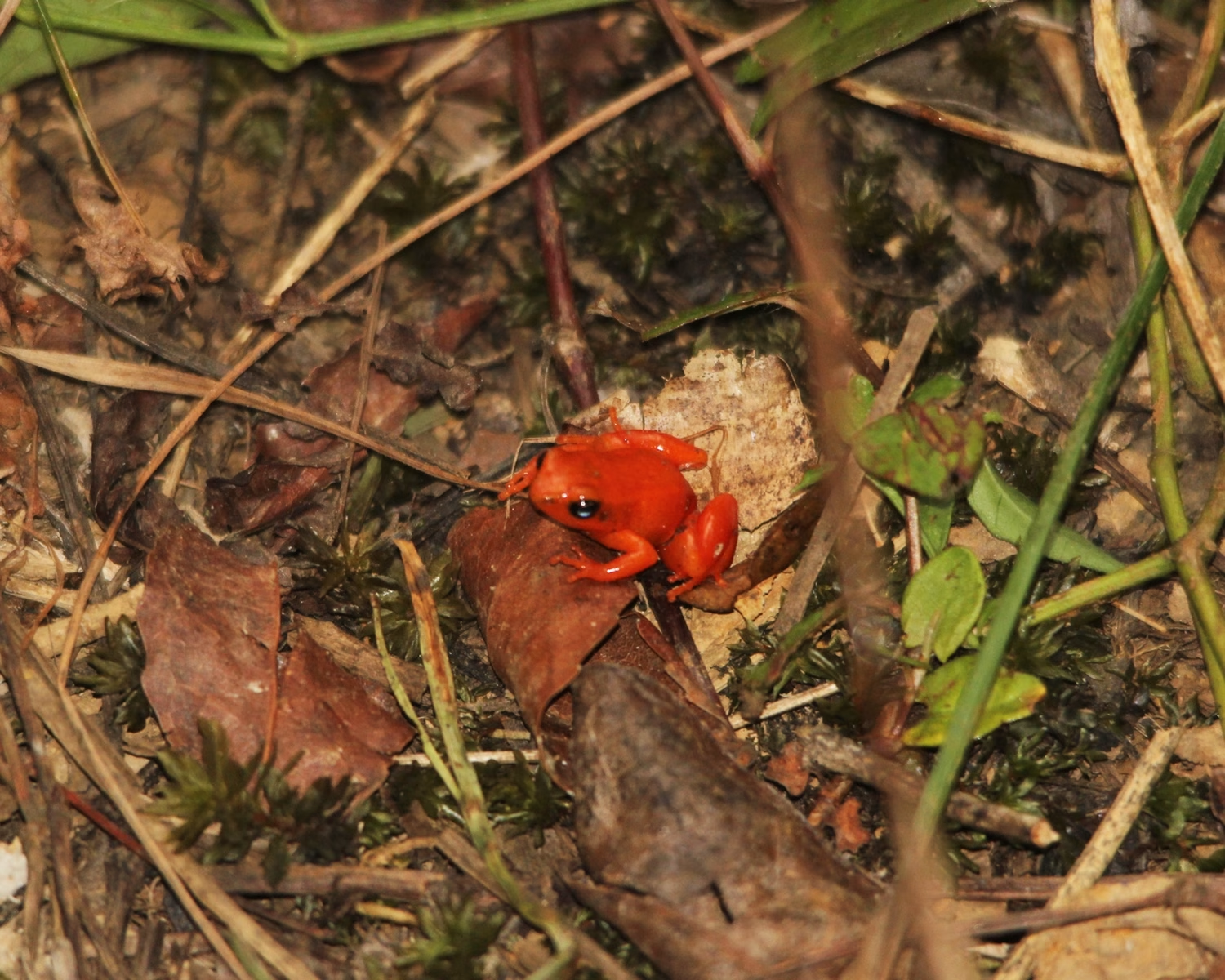
Golden mantellas are insectivores. Their diet includes ants, mites, small beetles, springtails, and tiny flies and larvae. They hunt by sight, using quick tongue flicks to capture prey. Interestingly, the toxins found in their skin are believed to be derived from their diet, particularly from ants and mites that contain alkaloid compounds. Frogs raised in captivity, without access to these specific prey items, typically lack the same level of toxicity. Feeding usually occurs throughout the day, with short bursts of activity followed by periods of rest and alert observation.
Behavior
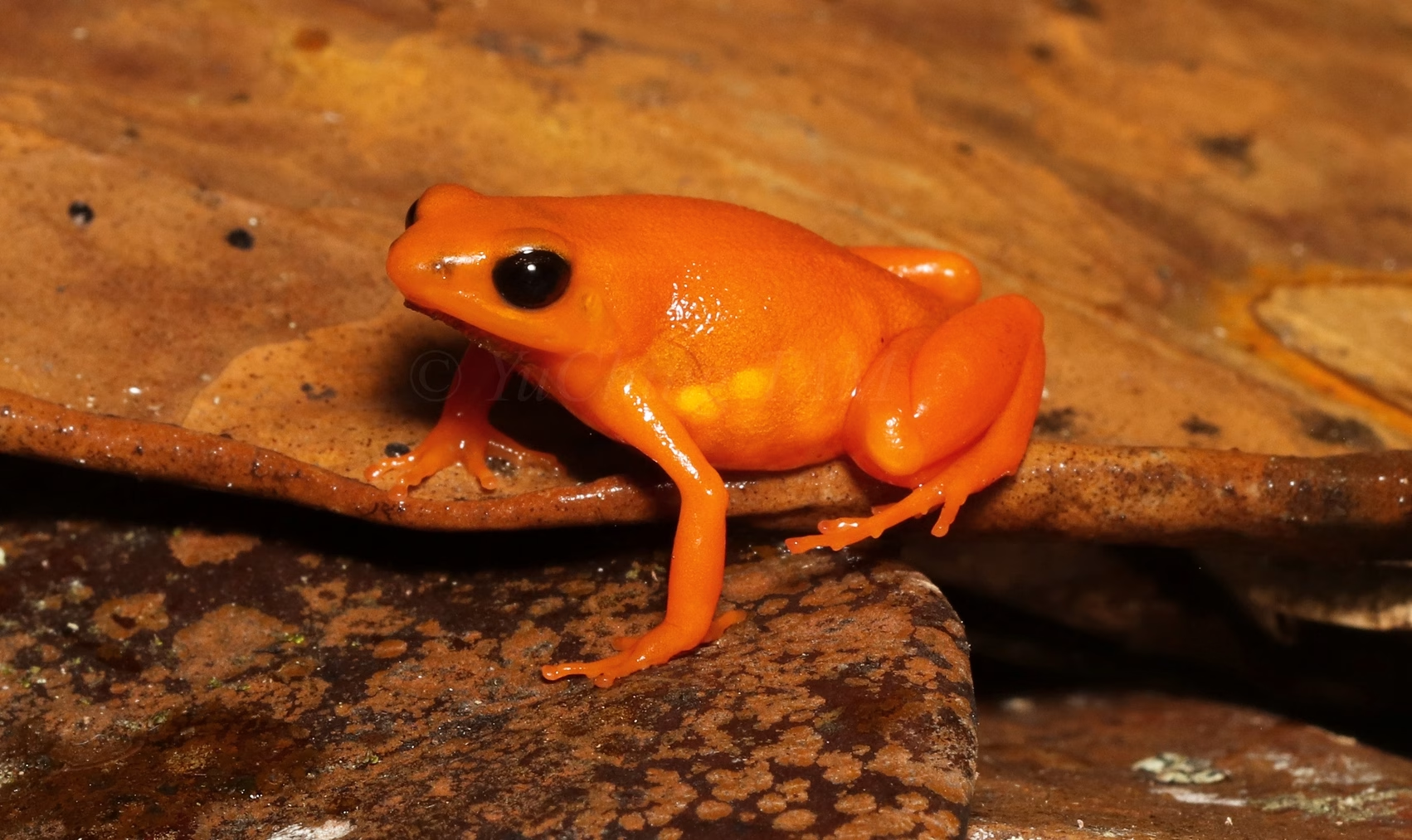
These little frogs are diurnal, meaning they are active during the day—an unusual trait among frogs. This daytime activity pairs perfectly with their bright warning colors, making them highly visible as they forage and interact. They are generally terrestrial, spending most of their time on the forest floor among moss, fallen leaves, and low vegetation. When disturbed, they may freeze briefly, relying on their coloration to warn predators, or hop away in short, quick bursts. Males are particularly vocal during the breeding season, producing a series of soft, chirping calls. These calls are not especially loud but are persistent, creating a gentle background soundtrack in their native habitat. Territorial disputes may occur between males, often involving calling competitions rather than physical conflict.
Reproduction and Life Cycle
Breeding typically coincides with the rainy season, when humidity is high and temporary water bodies form. Males establish calling sites near water and vocalize to attract females. After mating, females lay small clusters of eggs in moist areas such as leaf litter or moss, rather than directly in water. When the eggs hatch, rainfall washes the tadpoles into nearby pools, puddles, or slow streams where they continue development. Tadpoles are aquatic and feed on algae and organic matter until they metamorphose into tiny froglets. Growth is relatively rapid, allowing young frogs to take advantage of favorable wet-season conditions. Golden mantellas are generally solitary outside of breeding periods, though they may be found in loose aggregations where habitat conditions are ideal.
Conservation and Threats
The golden mantella is classified as Critically Endangered, one of the most threatened frog species in the world. Major threats include habitat loss due to deforestation, agriculture, and logging; environmental changes such as altered rainfall patterns and climate change; and illegal collection for the pet trade. Because of its striking appearance, the species has been heavily collected in the past. Today, international trade is regulated, and captive breeding programs in zoos play a role in reducing pressure on wild populations. Conservation efforts focus on protecting and restoring native forest habitats; maintaining assurance populations in zoos and breeding facilities; and educating local communities and the global public about amphibian conservation. This brightly colored little frog is a dazzling example of how nature combines beauty, chemistry, and behavior into a single tiny package to help it adapt and survive—and now its up to humans to make sure it has a bright future.