

Gromphadorhina portentosa
Least Concern
STATUS
Least Concern
SIZE
2 to 4 in (5.1 to 10.1 cm)
LIFESPAN
2 to 5 years
HABITAT
Tropical lowland forest
DIET
Detritivore
Decaying plant material
LIFESTYLE
Nocturnal
Terrestrial
Social
REPRODUCTION
Gestation: 2 months
Young: 15 to 40
THREATS
Habitat loss
Deforestation

INTERESTING FACTS
The Madagascar hissing cockroach is believed to be the only insect that can make a deliberate hissing sound for communication.
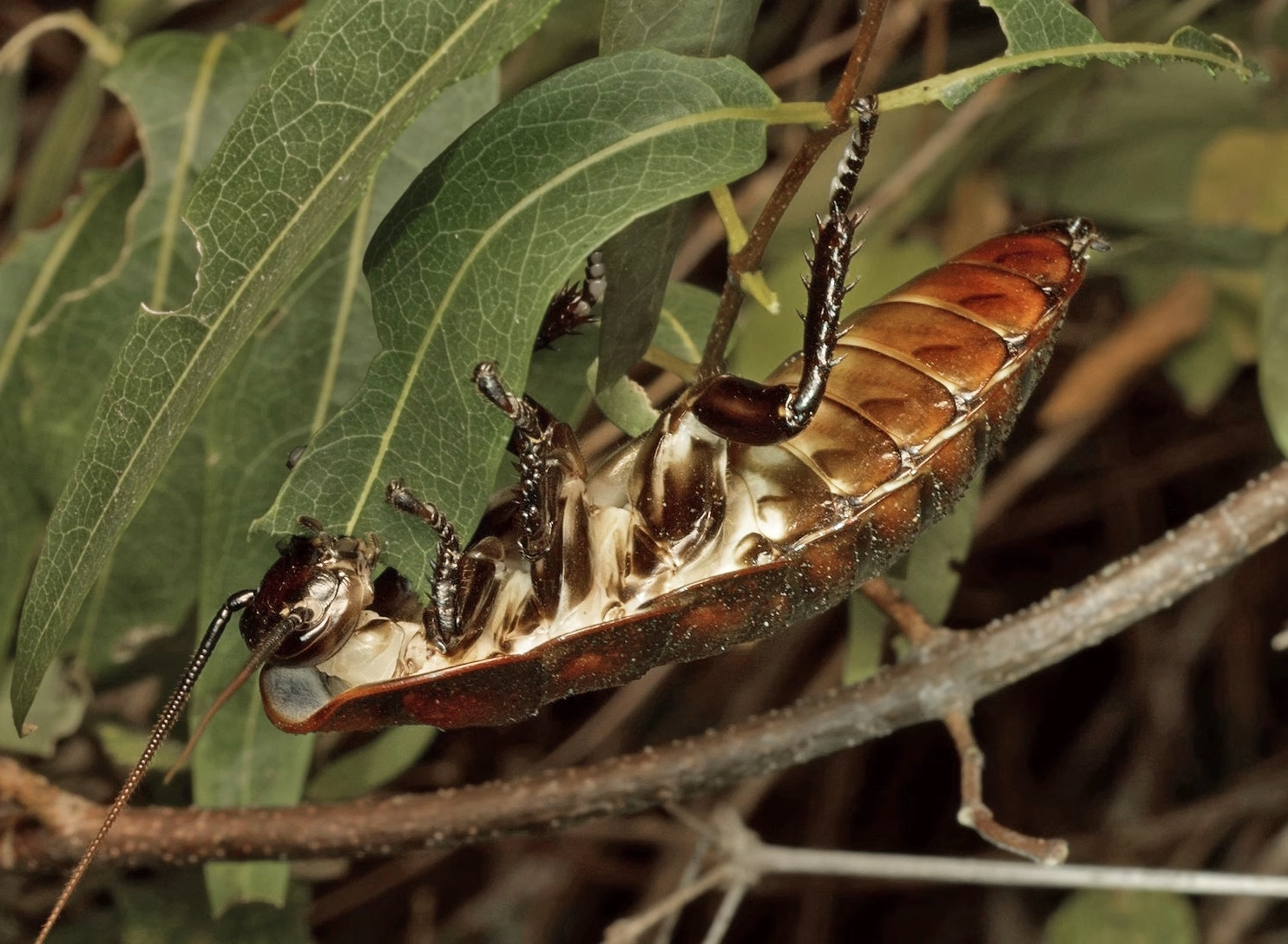
They are excellent climbers, and their feet are designed to hang on to even very smooth surfaces like glass.
These insects are ovoviviparous, which means that the female “lays” eggs, but they stay inside her body until they hatch. She then releases the offspring, called nymphs, which will grow and molt before they are fully developed adults.
Characteristics
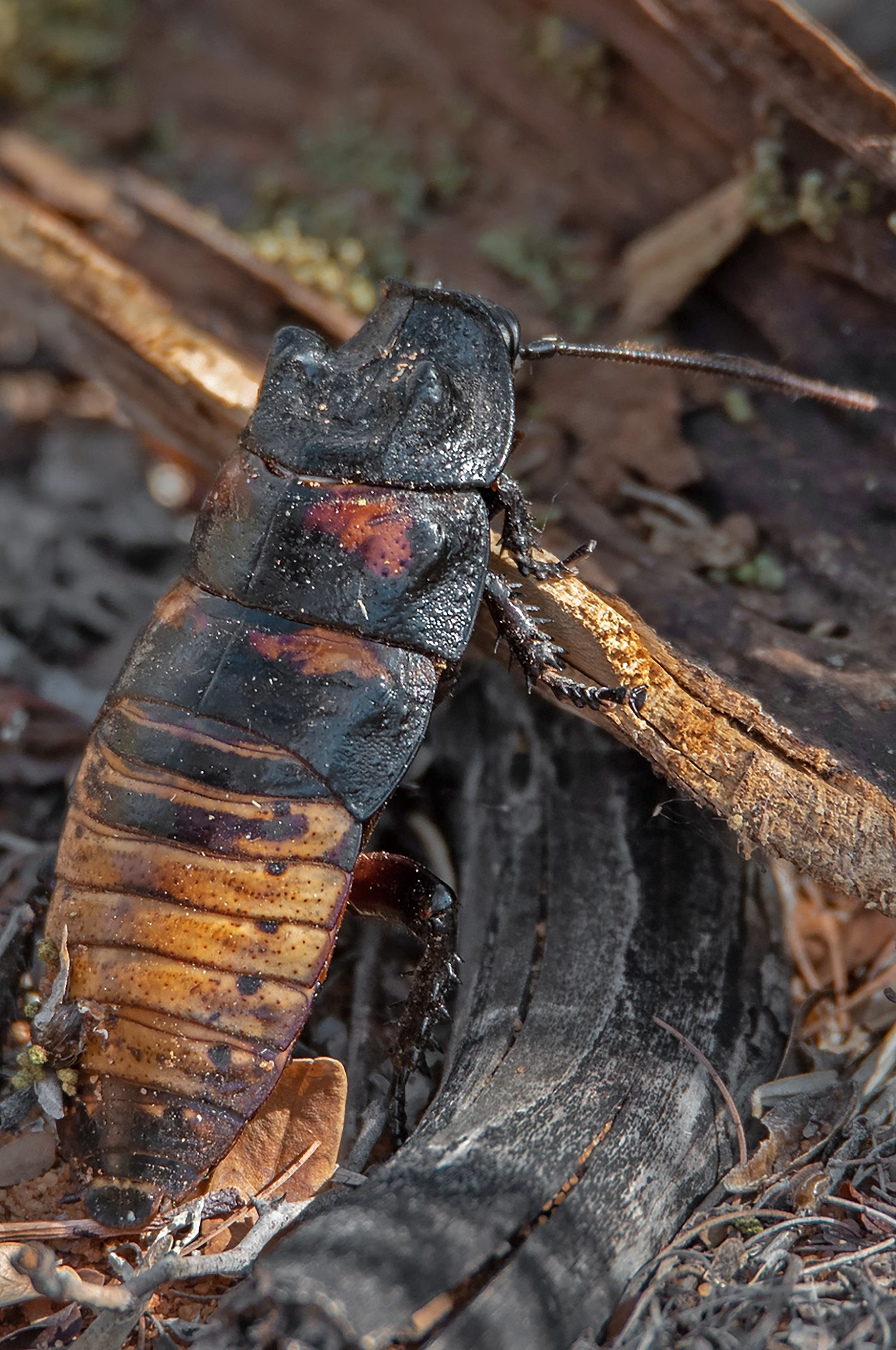
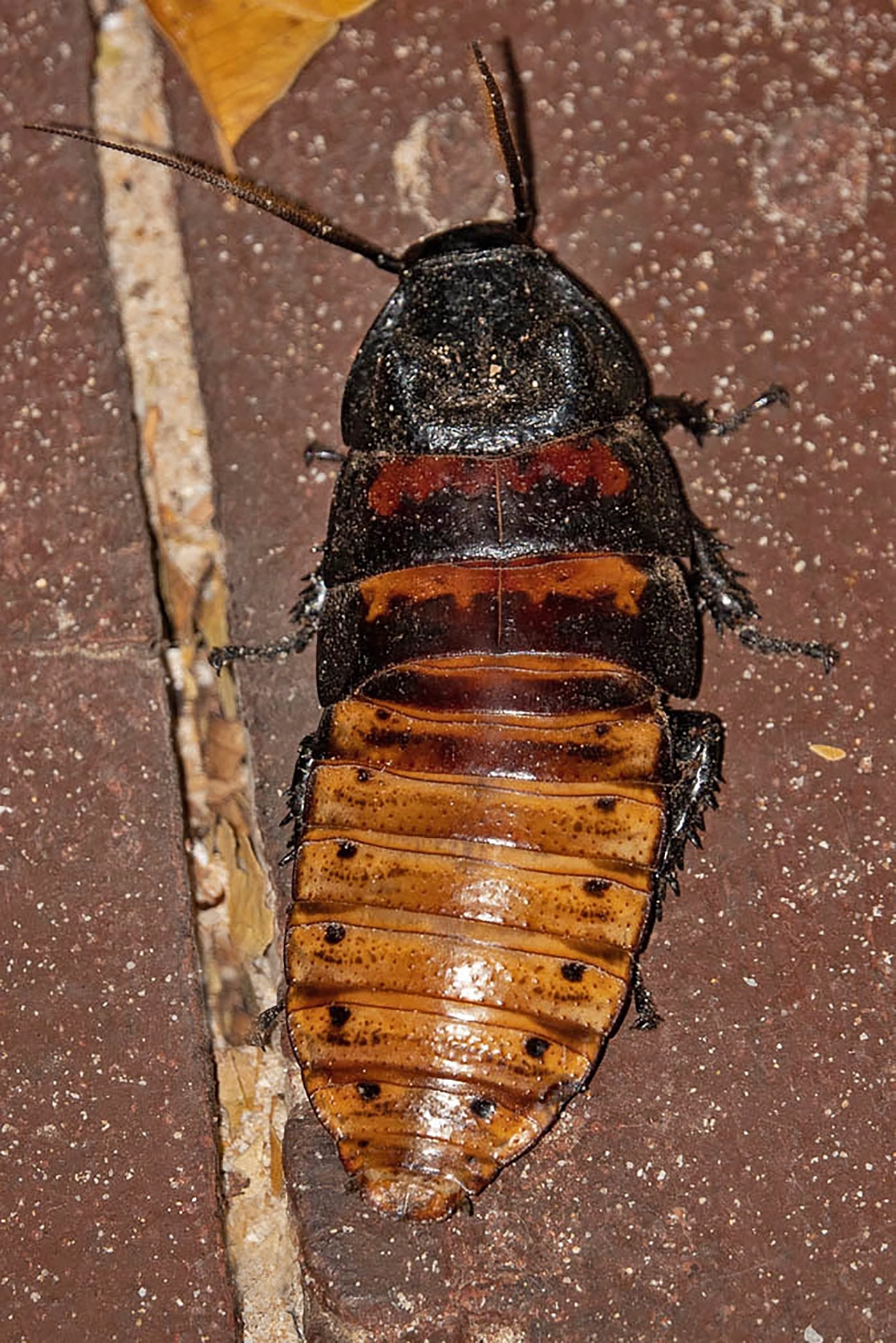
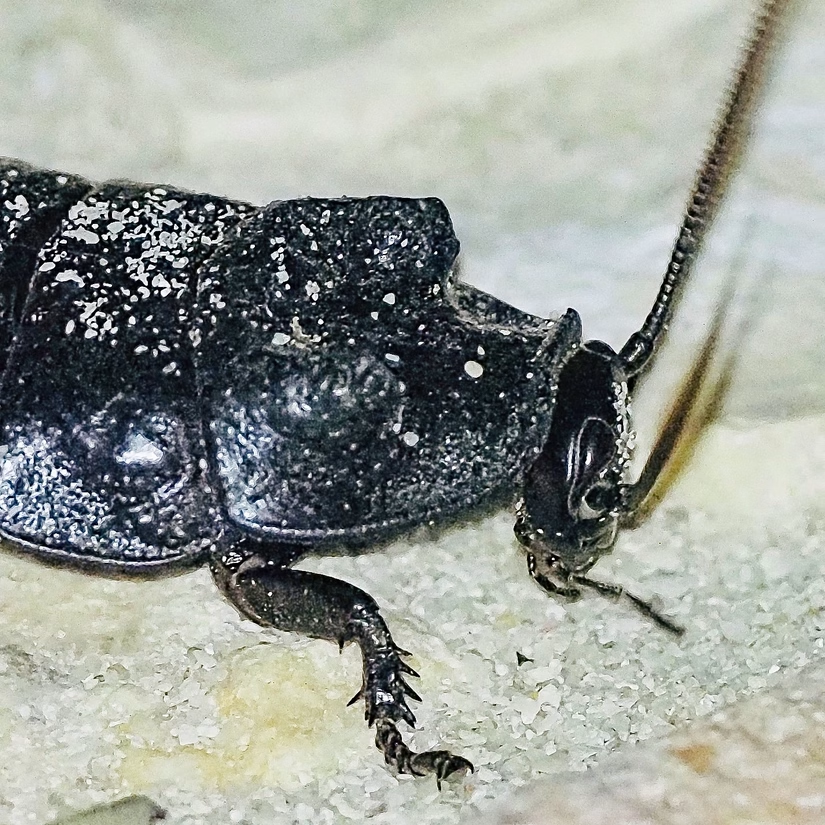
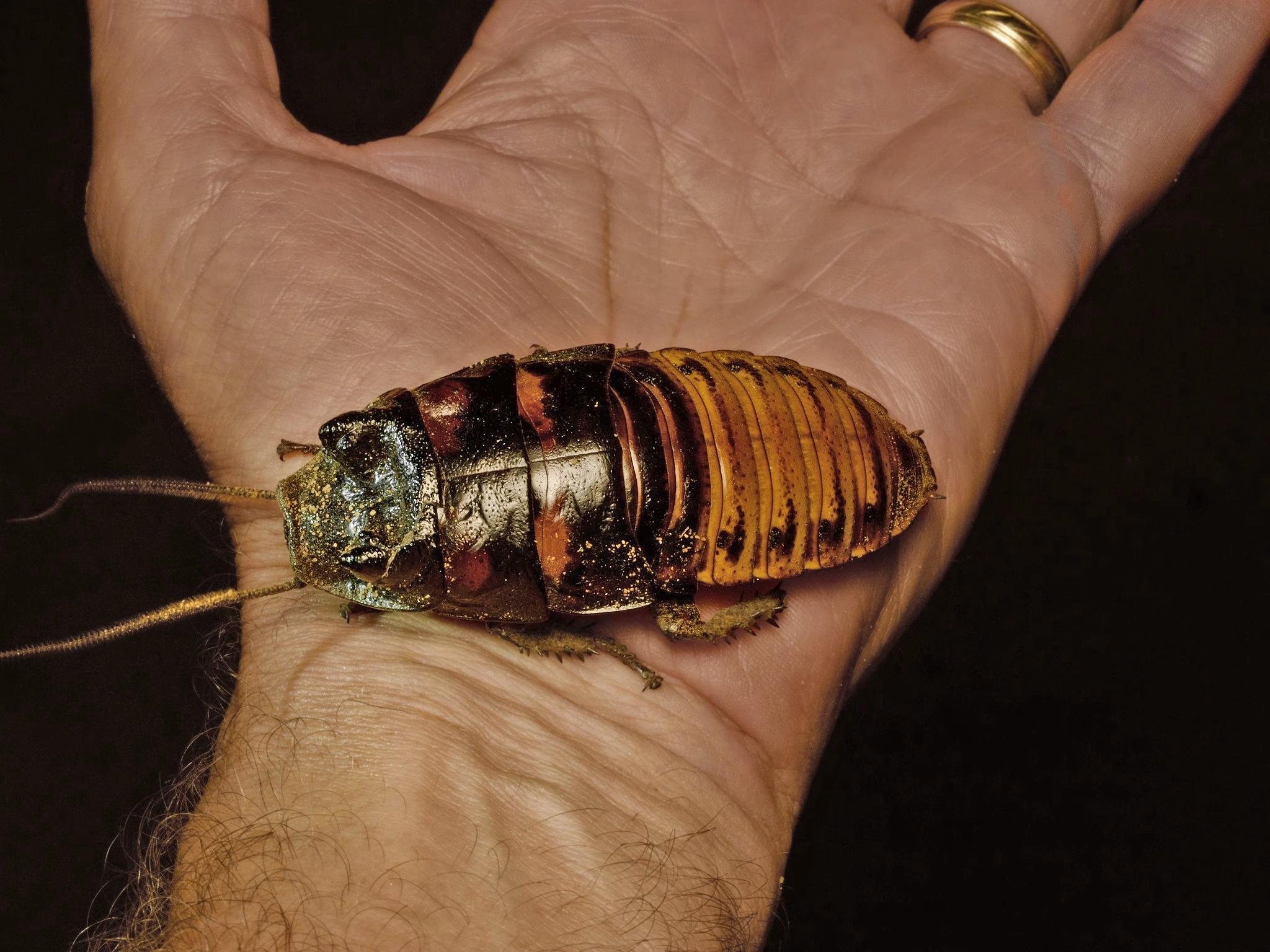
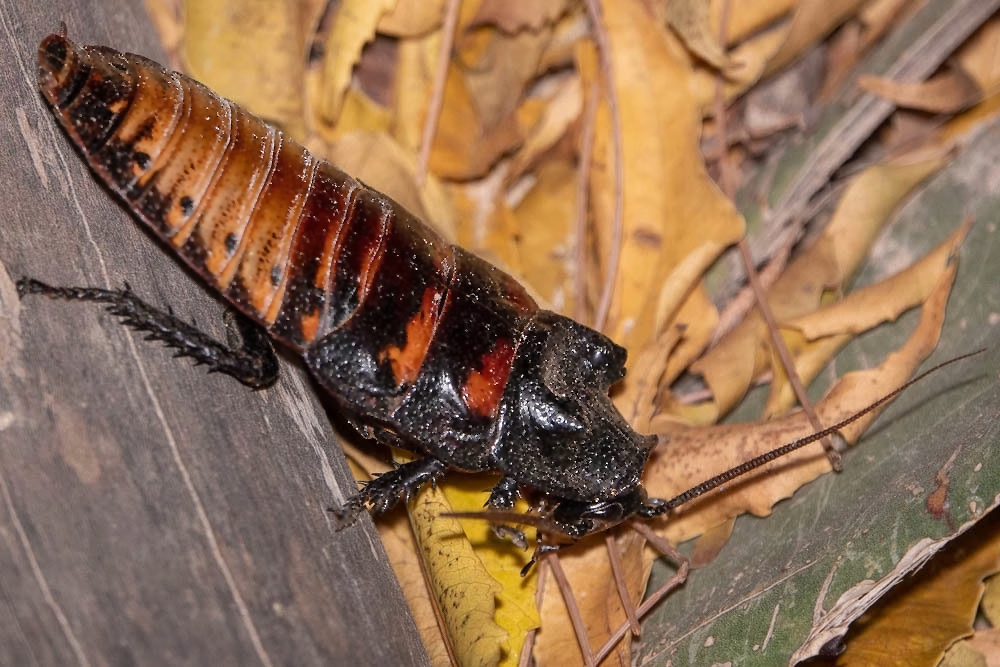
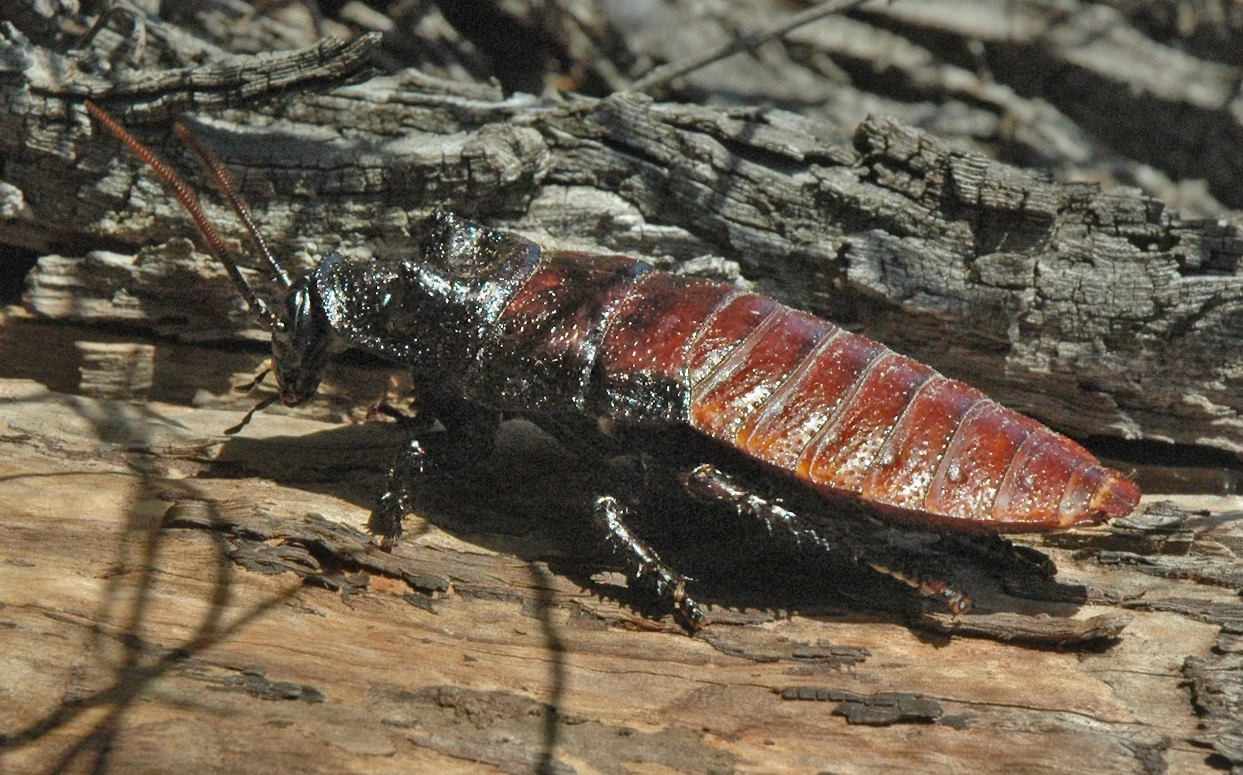
Madagascar’s hissing cockroach is one of the largest species of cockroach in the world, up to four inches long, with males growing larger than females. It has the usual equipment of an insect: head, thorax, abdomen, and six legs. However, they do not have wings. Their exoskeleton is dark, from mahogany brown to black, and thick, hard, and waxy. They have pads and hooks on their feet that allow them to climb both rough and smooth surfaces. Males have a pair of large hornlike bumps on their head that are called pronatal humps. Females have them as well, but they are much smaller.
Foods and Feeding
Madagascar hissing cockroaches are detritivores, feeding on dead organic material. Their most frequent food is decaying plants, including fallen fruit, which is readily available in the rainforest. They also eat fungi, smaller insects, and animal carcasses. As part of the forest “clean-up crew,” they play an important role in the rainforests of Madagascar by consuming a large amount of decaying plant and animal matter. They recycle the nutrients to make them available in the food web again, and they help prevent decaying matter from piling up and negatively affecting tree roots, soil, and other animals.
Behavior
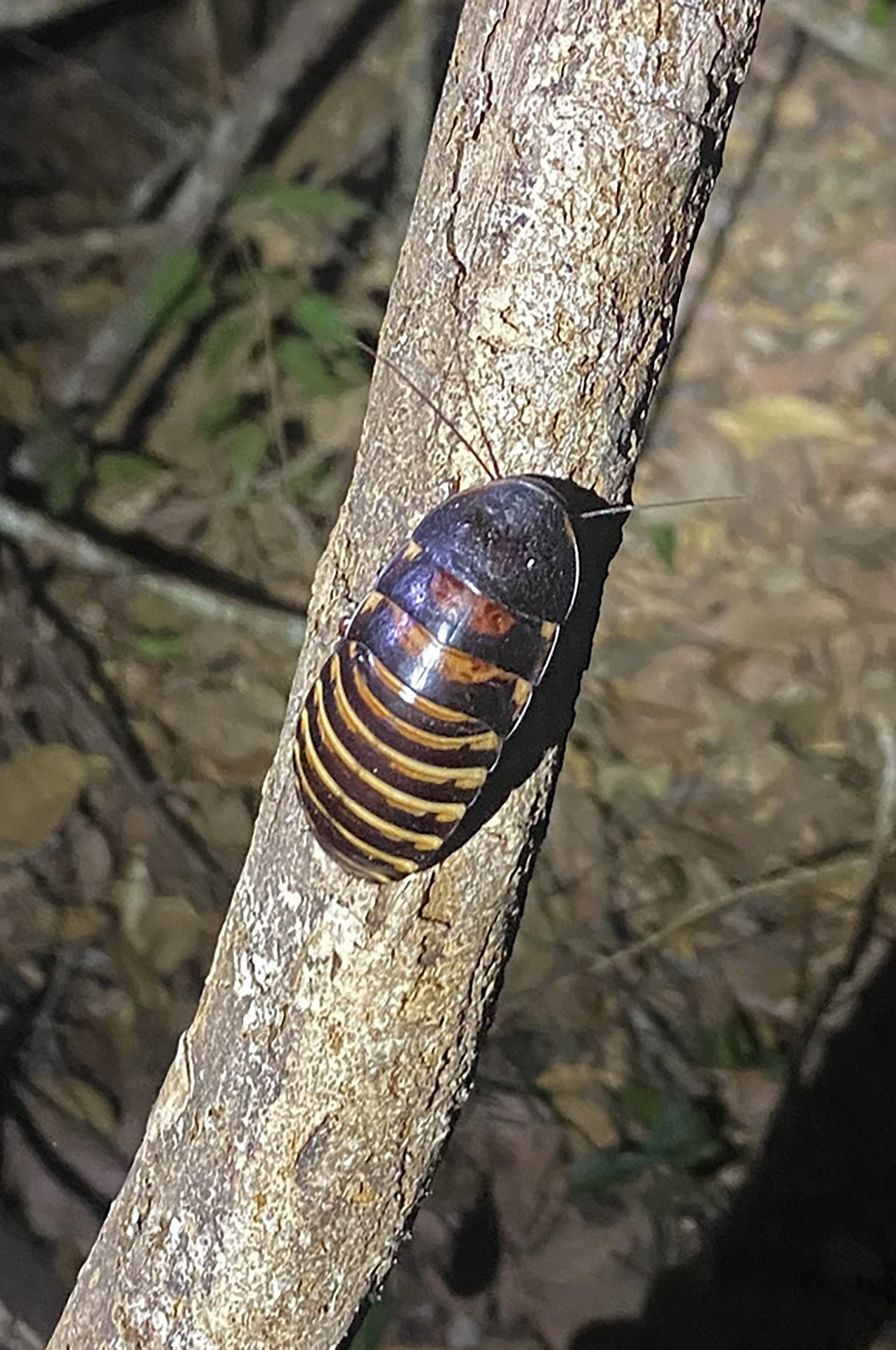
Hissing cockroaches spend most of their time on the forest floor, hanging out in rotting logs, leaf litter, and other detritus. They are nocturnal and tend to avoid light. At night, they become more active and venture out to scavenge for food. Males establish territories that they defend from other adult males. Aggressive hissing and posturing warns potential interlopers away, and its usually the male that is larger and hisses more that wins. One dominance behavior is standing up on their “toes,” which is called stilting. If necessary, the males will fight, tussling and pushing each other with their pronatal humps, although fights rarely result in injury. Female hissing cockroaches, on the other hand, are more social and do not fight with one another or with males.
The Madagascar hissing cockroach is unique in its ability to hiss. This sound is produced by forcibly expelling air through a pair of modified abdominal spiracles—breathing pores that are part of the respiratory system of insects. This hissing sound is used to communicate. Four hisses with different purposes and patterns have been identified: a male combat hiss, two types of courting and mating hisses, and an alarm hiss, which is a loud, snake-like hissing that startles predators.
Reproduction and Life Cycle
Cockroach mating can occur year around, but only when the climate is warm. When courting females, male hissing cockroaches typically produce two types of hissing sounds as signals, a calling sound and a courtship sound. The calling sound is a long distance song that is used to attract females, while the courtship sound is used more during close range interaction.
Male hissing cockroaches are attracted and stimulated by the odor of the female, which they pick up with specialized sense organs on their antennae. The amount of attractant secreted is higher in young females, although the output can be sporadic, and it decreases with age. When the male is attracted to the female by this scent, he begins to hiss and touch her antennae. The pair then attaches to one another and turns rear to rear, and they remain in this position for 30 minutes for fertilization.
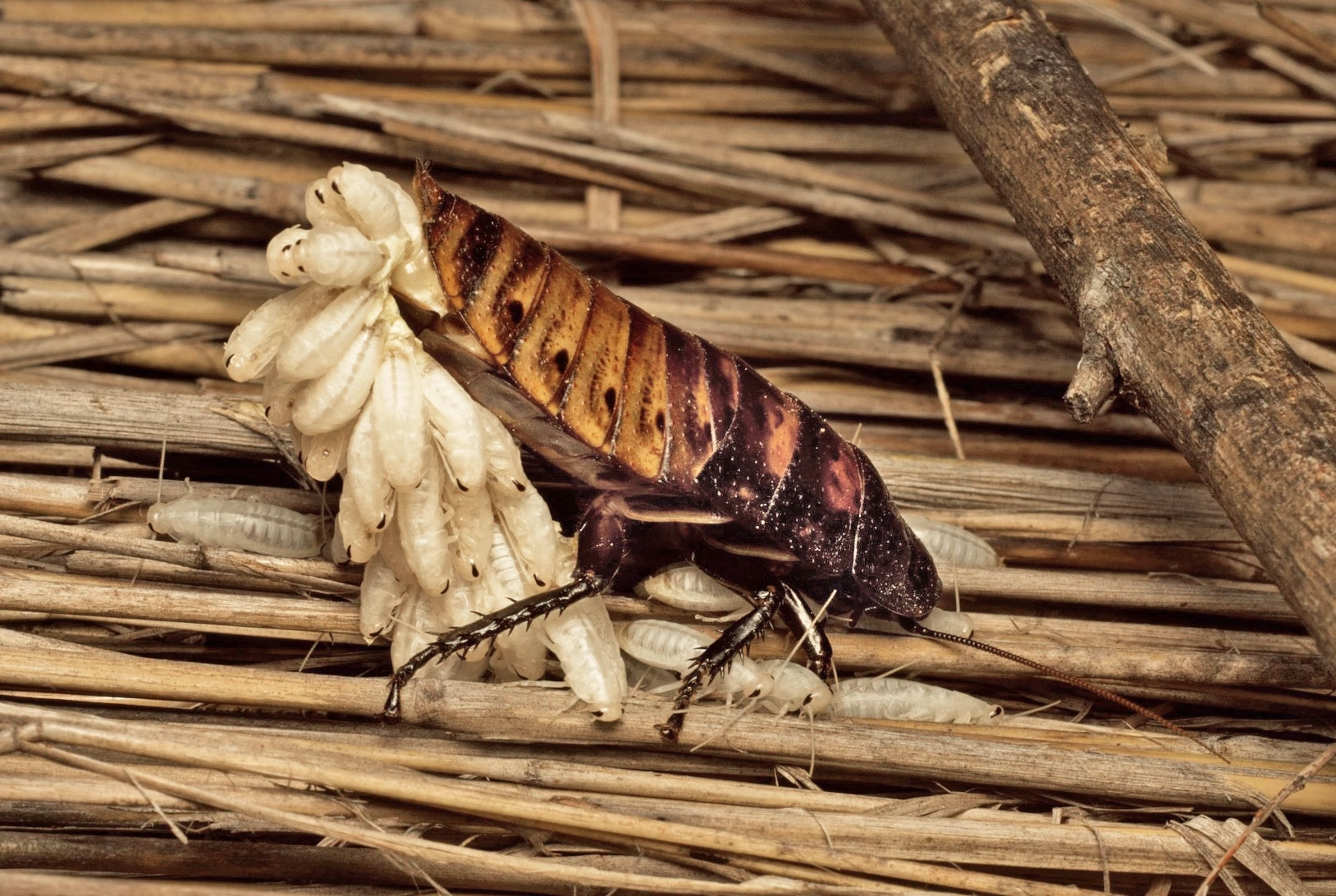
Madagascar hissing cockroaches have an interesting form of producing young. They are ovoviviparous—the female develops eggs, but she keeps them inside her body in a long, yellowish egg case called an ootheca. When the eggs hatch, the female then releases the young, called nymphs, typically 15 to 40 of them. The nymphs are quite similar to adults in general structure, but they lack reproductive organs. Nymphs molt their exoskeleton six times as they grow to adulthood, a process that usually takes six to seven months.
Conservation and Threats
While Madagascar hissing cockroaches are not a threatened or endangered species, they are dependent on healthy forest ecosystems—and the forests, in turn, are dependent on them.