

pale fork-marked Lemur
Phaner pallescens
Endangered
STATUS
Endangered
SIZE
Body length: 9 to 11 in (23 to 29 cm)
Weight: 11 to 18 oz (300 to 500 g)
HABITAT
Dry forest
DIET
Tree sap and gum
Insects
LIFESTYLE
Nocturnal
Mostly arboreal
Social
REPRODUCTION
Gestation: about 120 days
Young: 1
THREATS
Habitat loss
Deforestation for agriculture and illegal logging
Low birth rate

INTERESTING FACTS
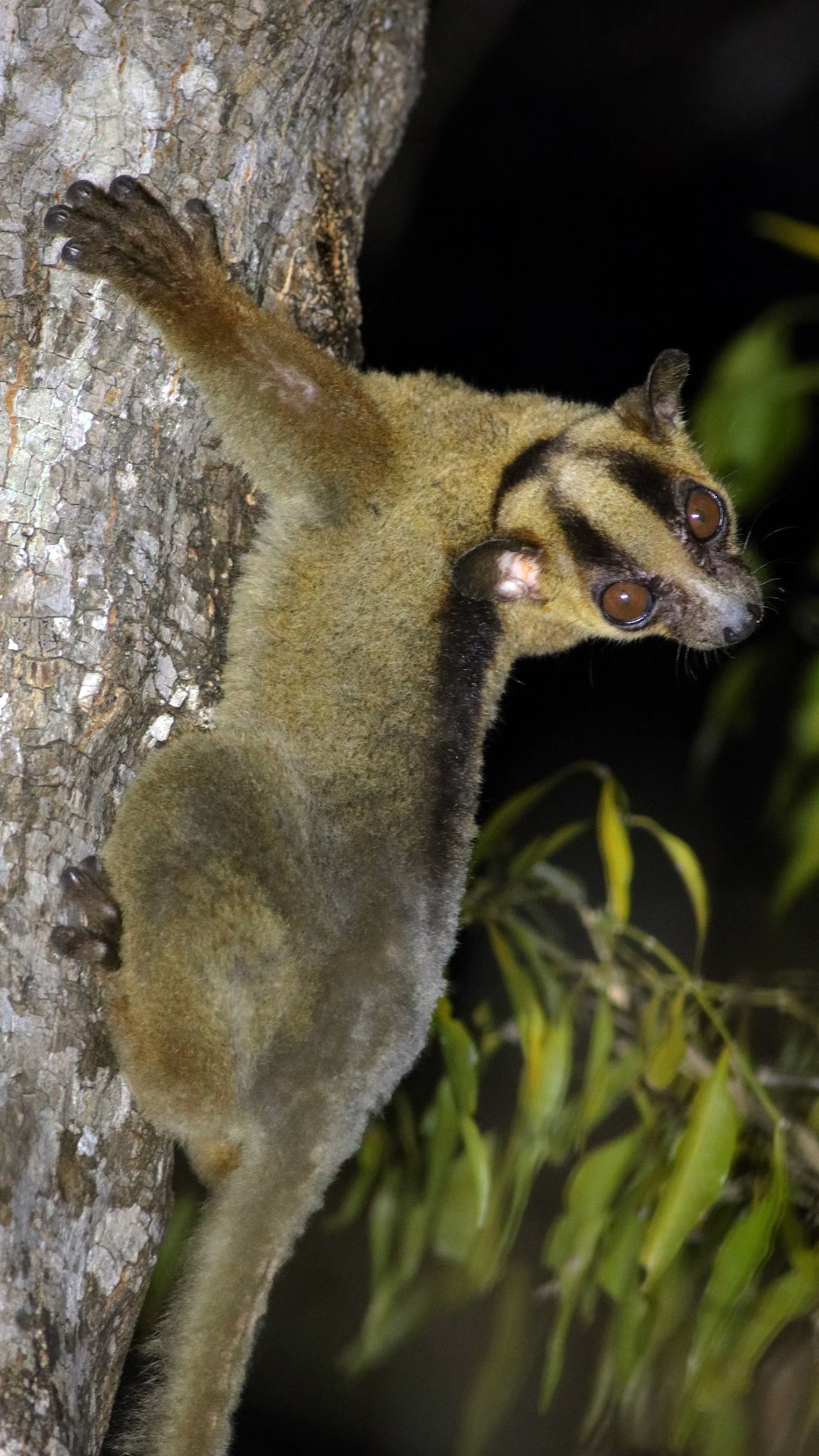
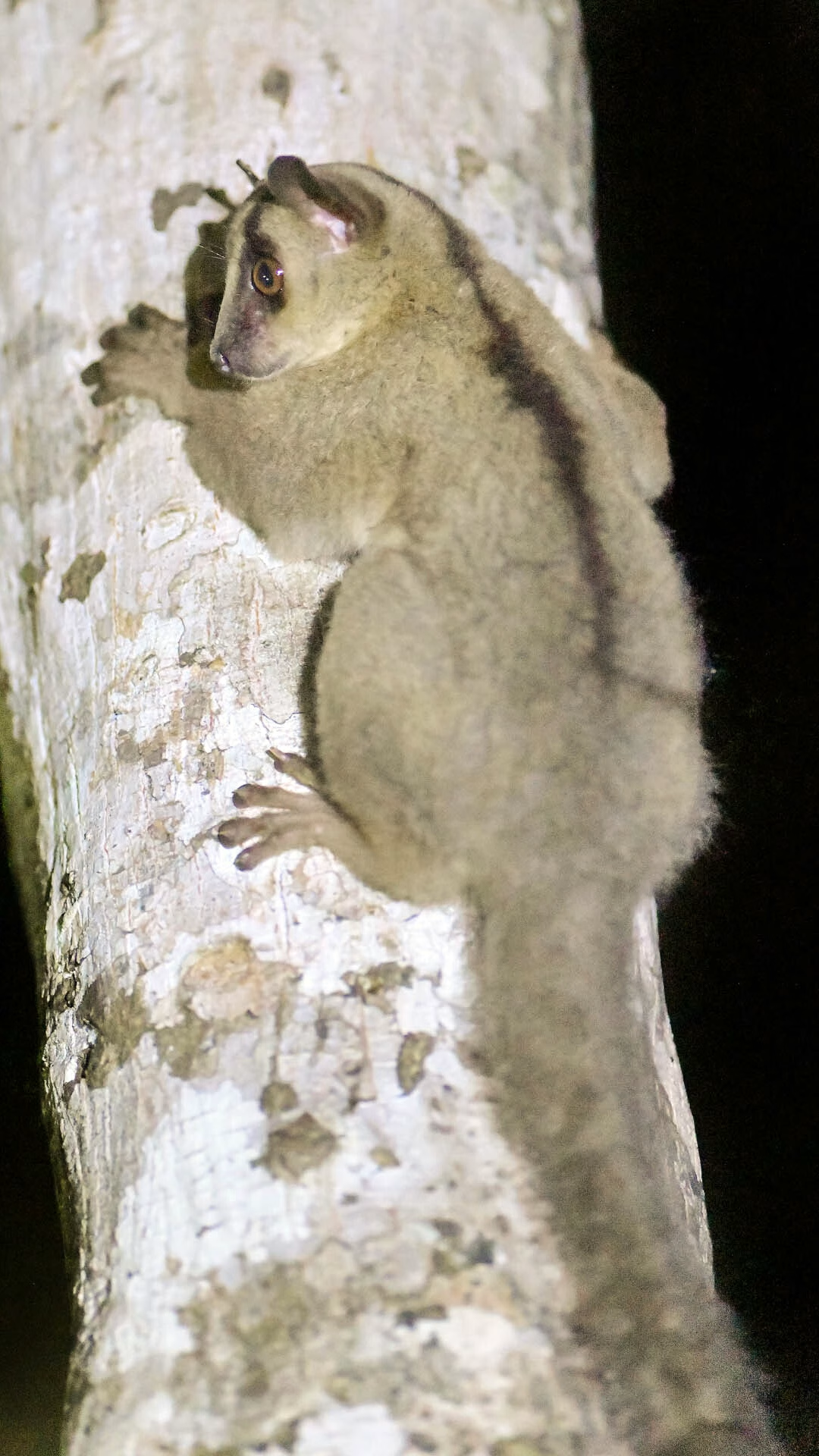
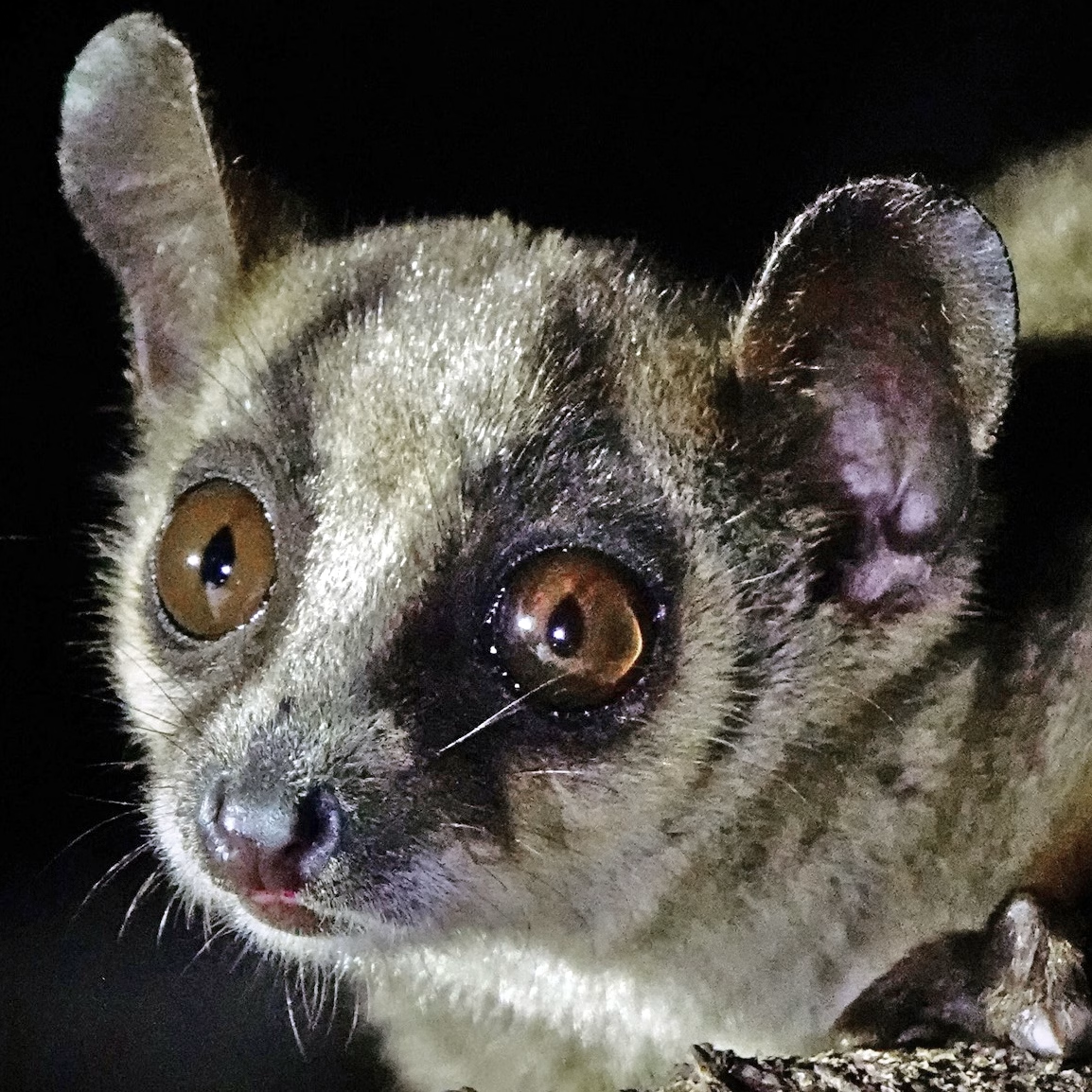
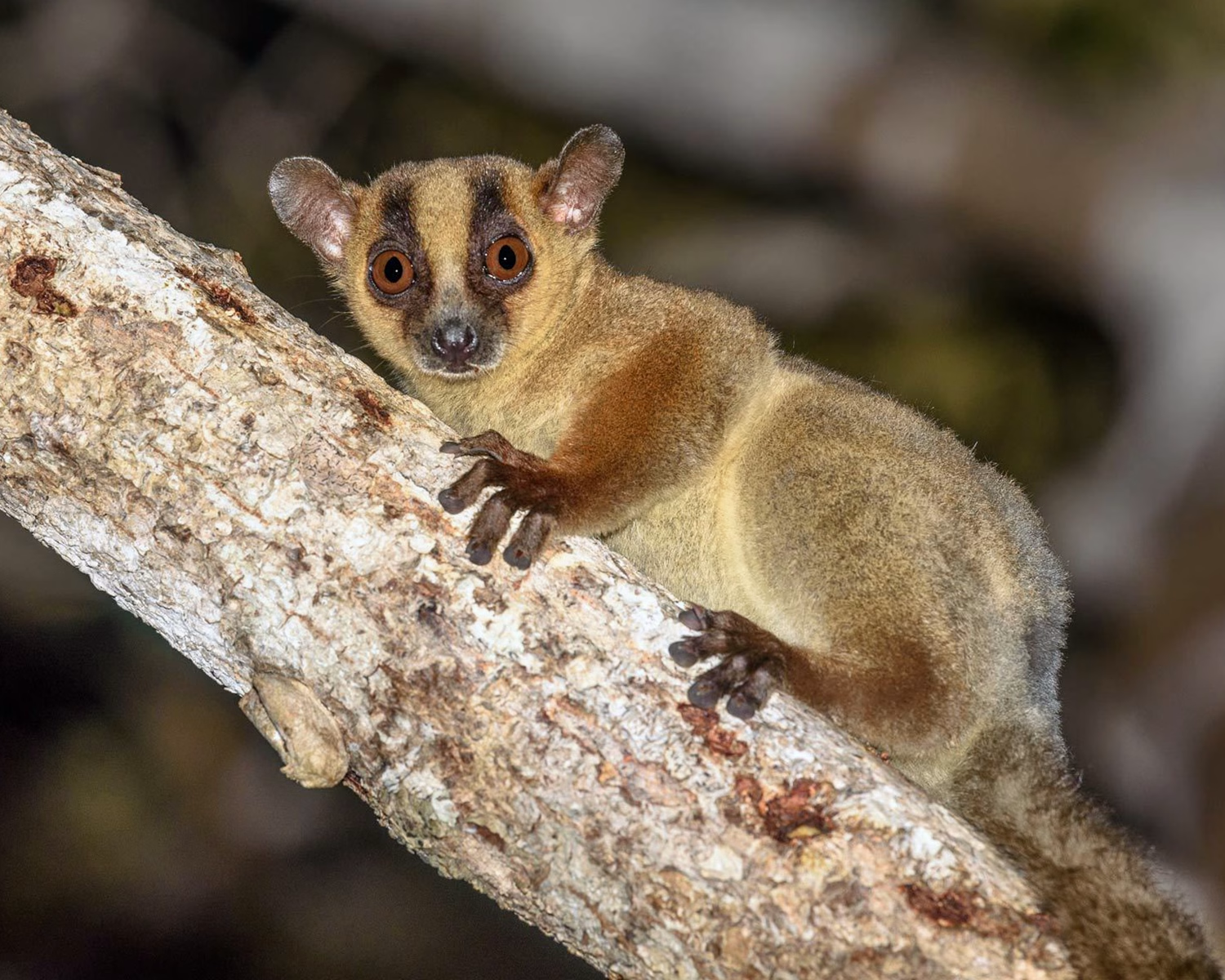
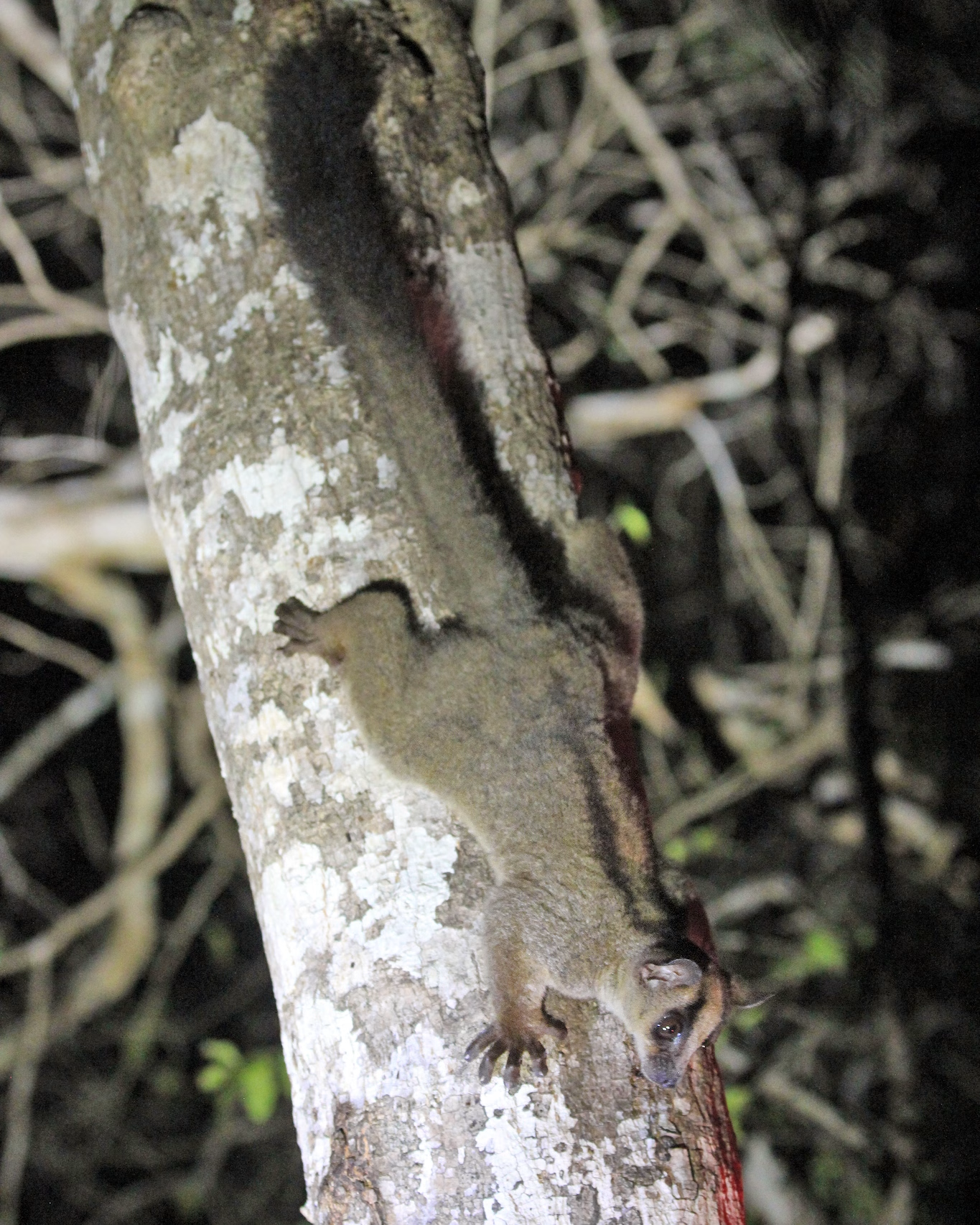
Pale fork-marked lemurs get their name from the forked black lines on the face and head, which then continue down the back.
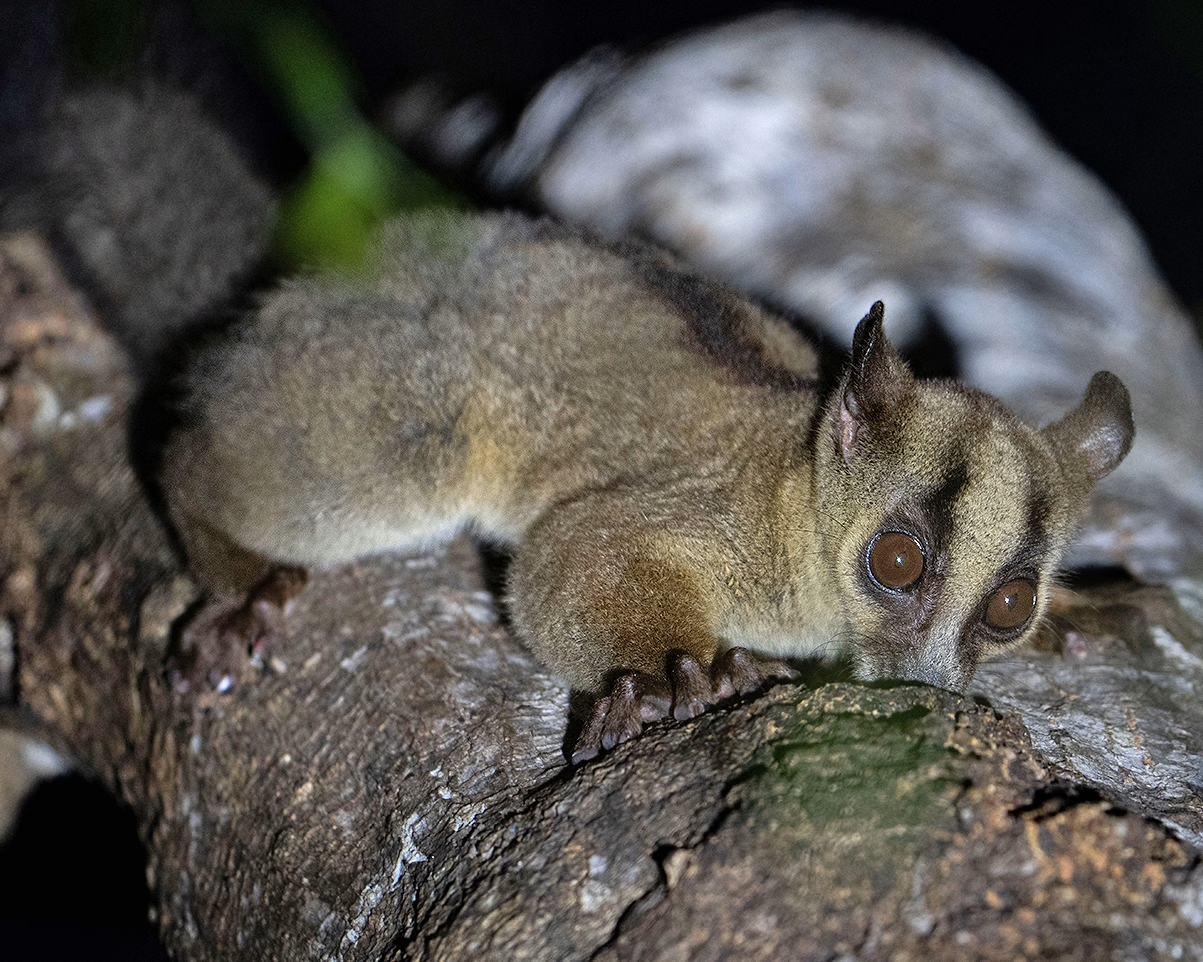
These lemurs specialize in eating tree sap and gum, which they access with their sharp teeth and fingernails and lick up with a long tongue.
They are known to bob their heads up and down regularly—but researchers aren’t quite sure why they do it!
Characteristics
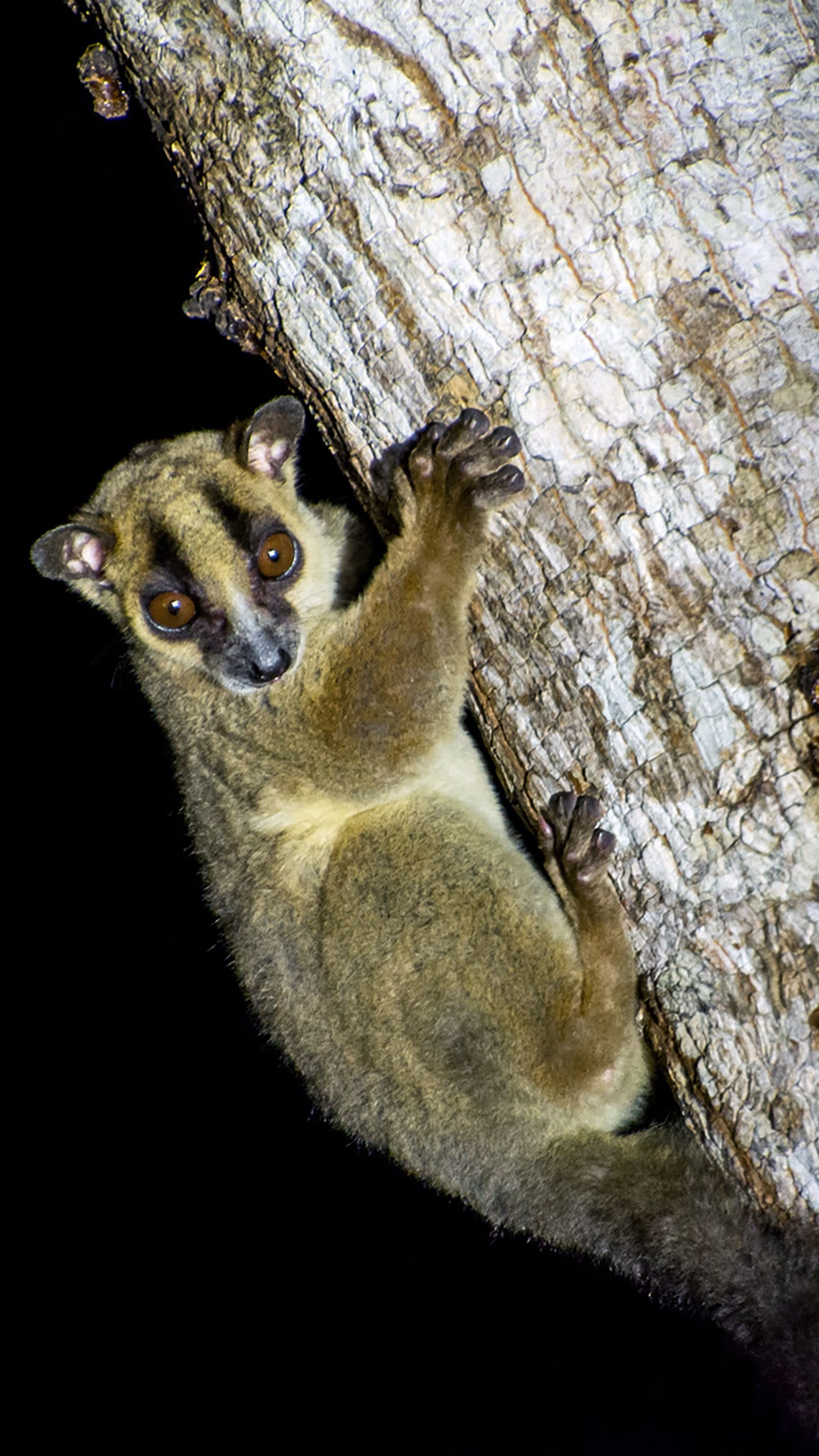
The pale fork-marked lemur is a small, nocturnal species known for its unique appearance and specialized adaptations. It gets its common name from the black forked stripes that extend from the nose, over the eyes, and down the back, and because it is the palest of the fork-marked lemur species. The hair is mostly light with a silvery sheen, getting lighter towards their belly and darker towards their hands and feet. With large, amber-colored eyes, this lemur is perfectly adapted to seeing in the dim light of its forest home. Its slender body and long tail aid in agile movement through the trees, making it an adept climber and jumper.
Foods and Feeding
When it comes to feeding, this lemur has a unique approach. It primarily feeds on tree gum, which it skillfully extracts using its specialized teeth, long tongue, and elongated fingers with pointed nails for digging into bark. Pale fork-marked lemurs rely heavily on just five rare tree species that have the most protein-rich gums, and their survival is highly contingent on the availability of these trees. There is almost never more than one lemur feeding from the same tree at a time, as they are highly competitive over food trees. Even mated pairs do not forage near each other. For a protein boost, these lemurs also hunt insects, as well as fruits and flowers.
Behavior
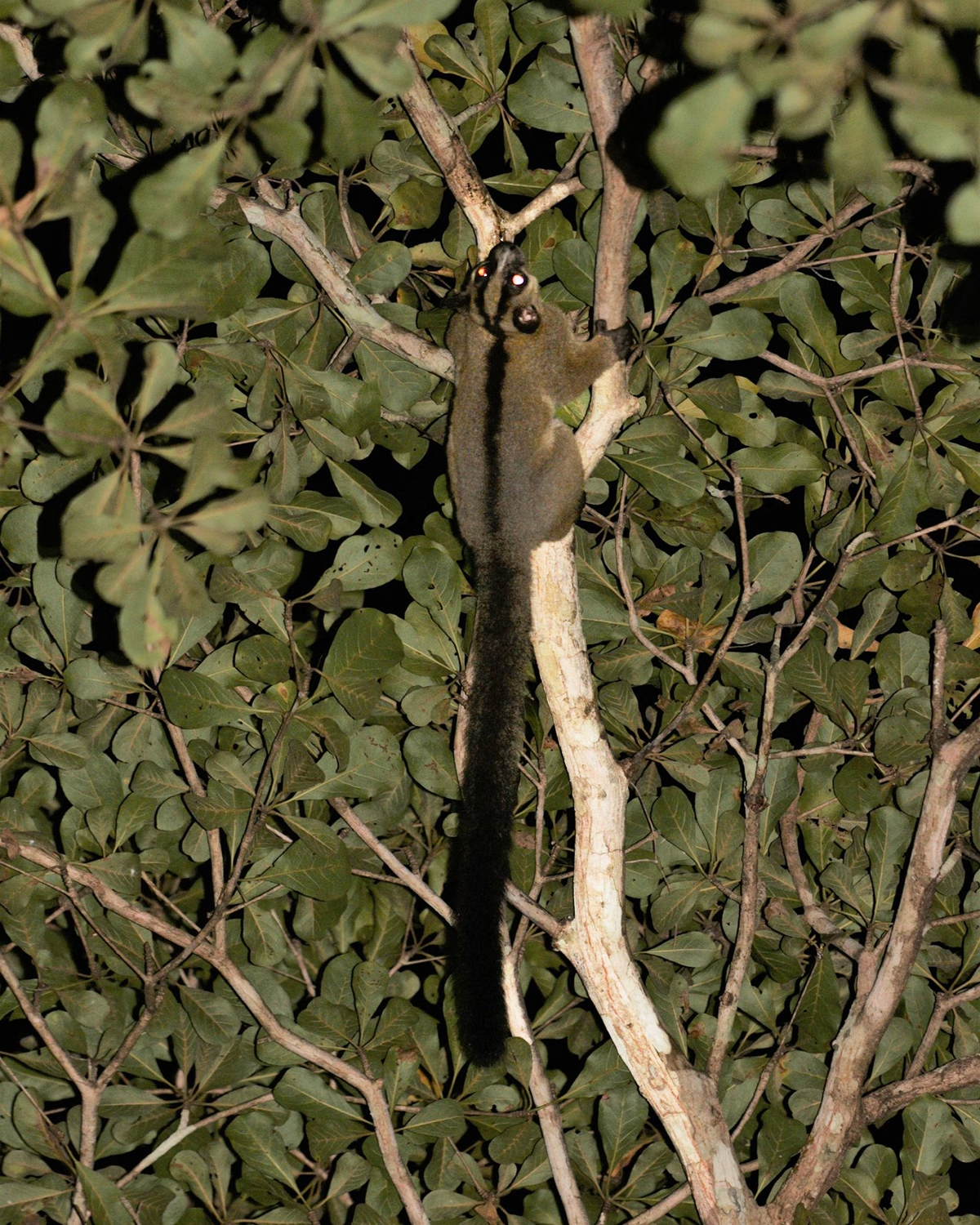
Primarily active at night, the pale fork-marked lemur is an expert navigator of the treetops, using its agile limbs and bushy tail to balance and move gracefully through the canopy. Its large eyes are perfectly suited for low-light conditions, allowing it to spot both prey and predators in the dim moonlight.
Socially, the pale fork-marked lemur is known for its territorial nature. It often lives alone or in pairs, marking its territory with scent glands to assert dominance and ward off intruders. Communication is key for these lemurs, which rely on vocal calls to maintain contact with family members and signal potential threats. These calls vary in pitch and intensity, serving as a lemur’s personal alarm system and social network rolled into one. Females are dominant over males, getting priority access to feeding sites and being dominant in encounters with unknown males.
The pale fork-marked lemur’s nocturnal lifestyle also includes periods of rest during the day, often nestled in tree hollows or dense foliage to avoid predators and the heat of the sun. Despite being solitary creatures, they engage in social grooming with their mates which strengthens bonds.
Reproduction and Life Cycle
Pale fork-marked lemurs have a defined breeding season, usually between September and October, with a gestation period of about 120 days. Females are only in estrus for three to four days a year, so they have an extremely narrow window in which they are able to become pregnant.The female typically gives birth to a single offspring, which is cared for intensively in the early stages of life. Males participate somewhat in nurturing the offspring until it becomes independent. Females typically only give birth every three years, a low reproduction rate that is a factor in the decline of their population numbers.
Conservation and Threats
Habitat destruction due to deforestation and agricultural expansion poses significant threats to this lemur species’ survival. Additionally, its reliance on specific food sources, such as tree gum, makes it vulnerable to changes in its habitat. Conservation efforts are crucial to ensure the survival of this unique species, focusing on habitat preservation and environmental awareness.