
RING-TAILED VONTSIRA
Galidia elegans
Least Concern

STATUS
Least Concern
SIZE
Body length: 12 to 15 in (30 to 38 cm)
Weight: 1.5 to 2.2 lbs (700 g to 1 kg)
HABITAT
Rainforest
Dry forest
Montane forest
DIET
Carnivore
LIFESTYLE
Diurnal
Terrestrial and arboreal
Solitary
REPRODUCTION
Gestation: 50 to 60 days
Young: 1 to 3
THREATS
Habitat loss
Deforestation for agriculture and illegal logging

INTERESTING FACTS
Even though it looks like a mongoose, the ring-tailed vontsira belongs to a unique family of carnivores found only in Madagascar. It is not closely related to the African mongooses.
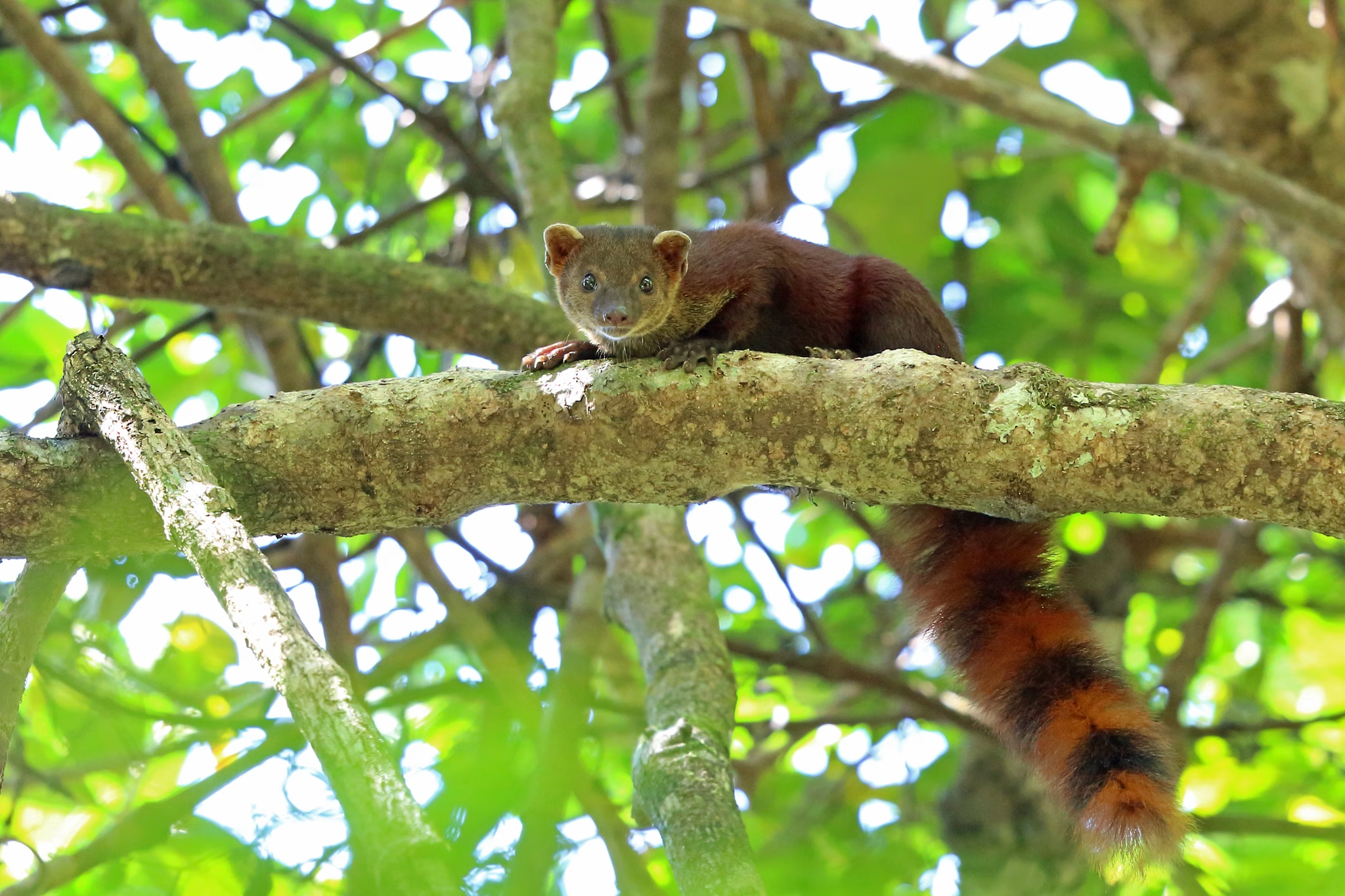
The ring-tailed vontsira is equally comfortable on the ground and in trees, able to sprint, climb, and squeeze through tight spaces with impressive agility.
Don’t let the small size fool you—the vontsira can be fierce. When threatened, it will arch its back and fluff its tail to look bigger, and let out sharp warning sounds.
This species has a varied diet. It is known for raiding bird nests and skillfully cracking open eggs.
Characteristics
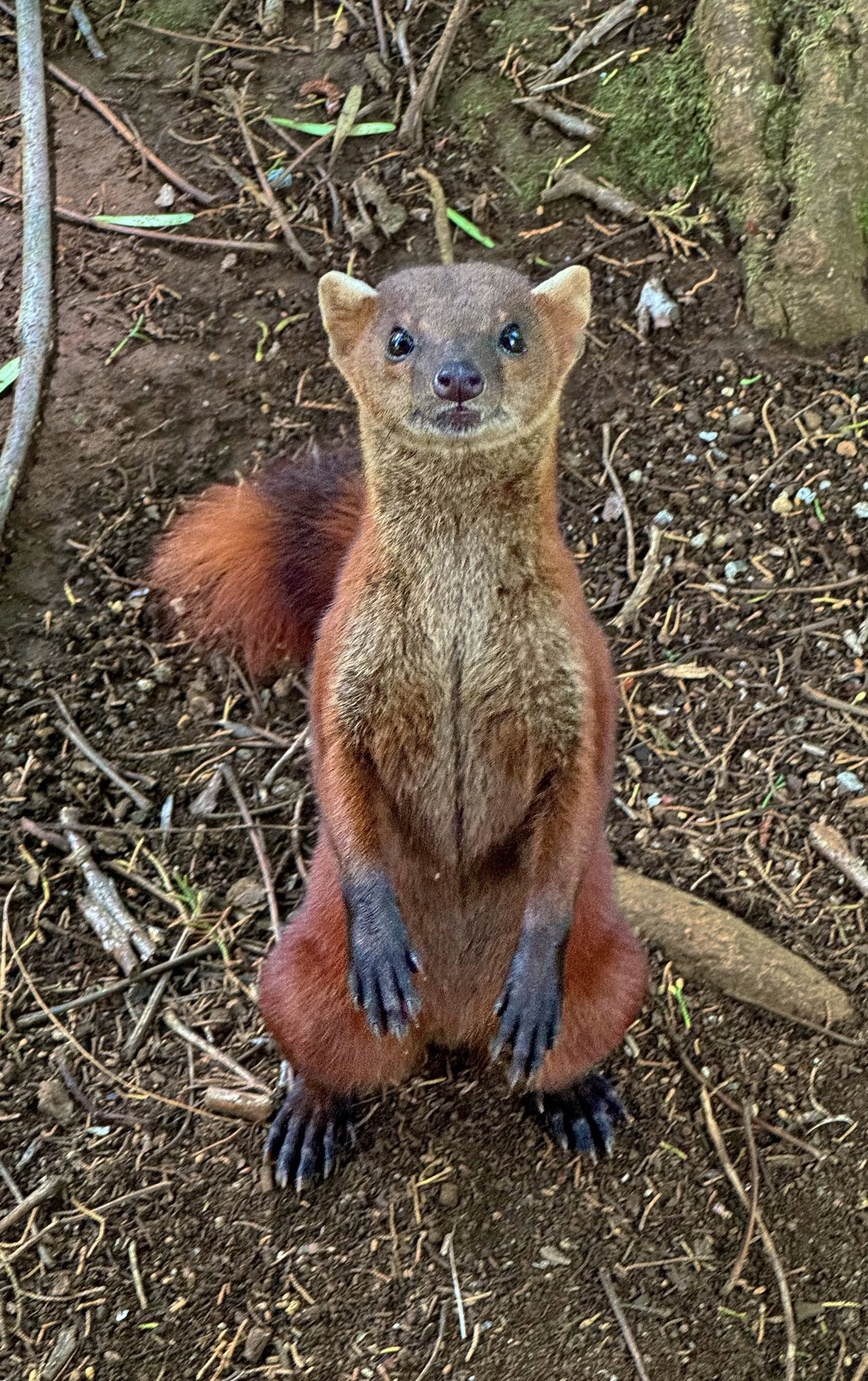
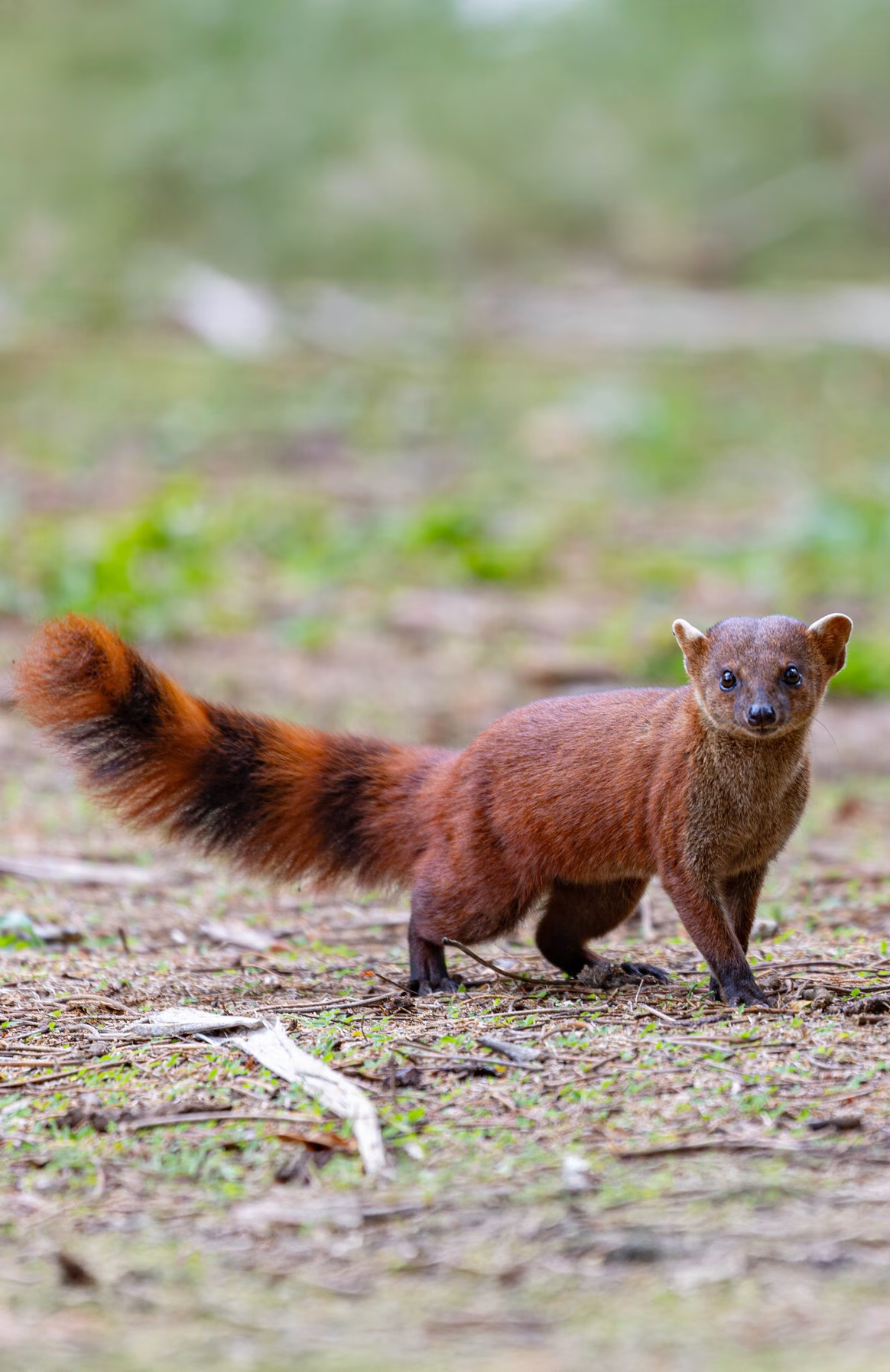
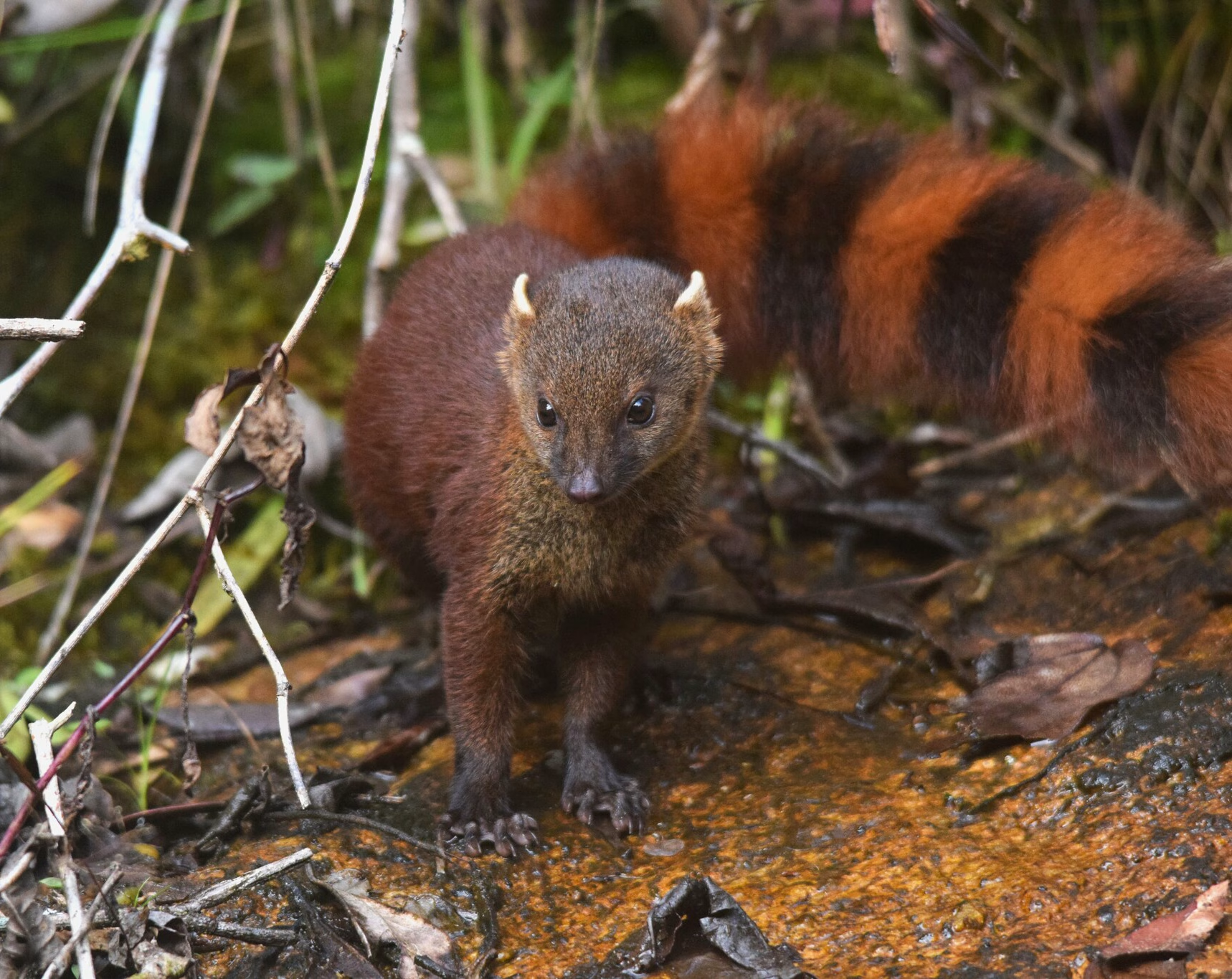
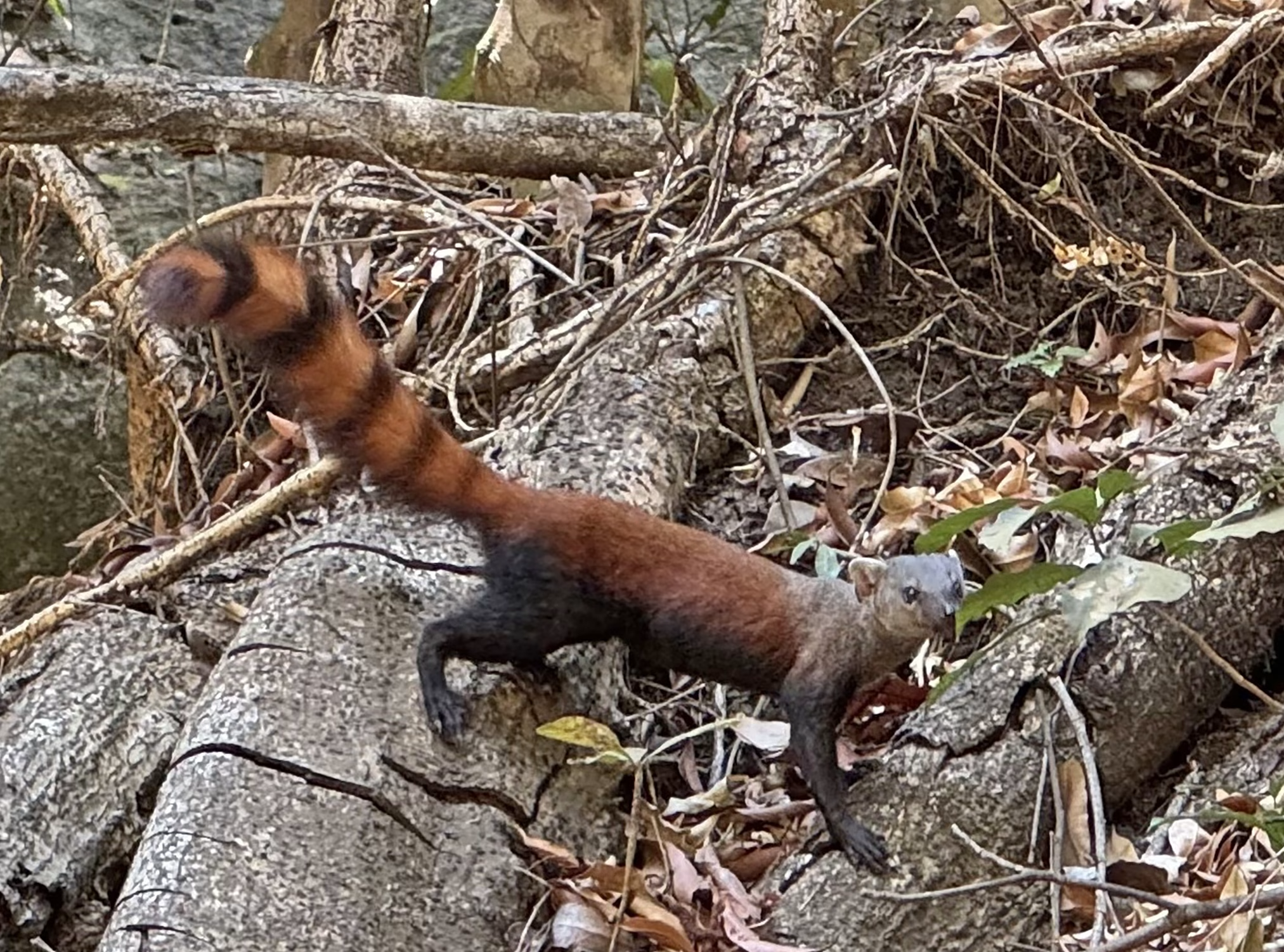
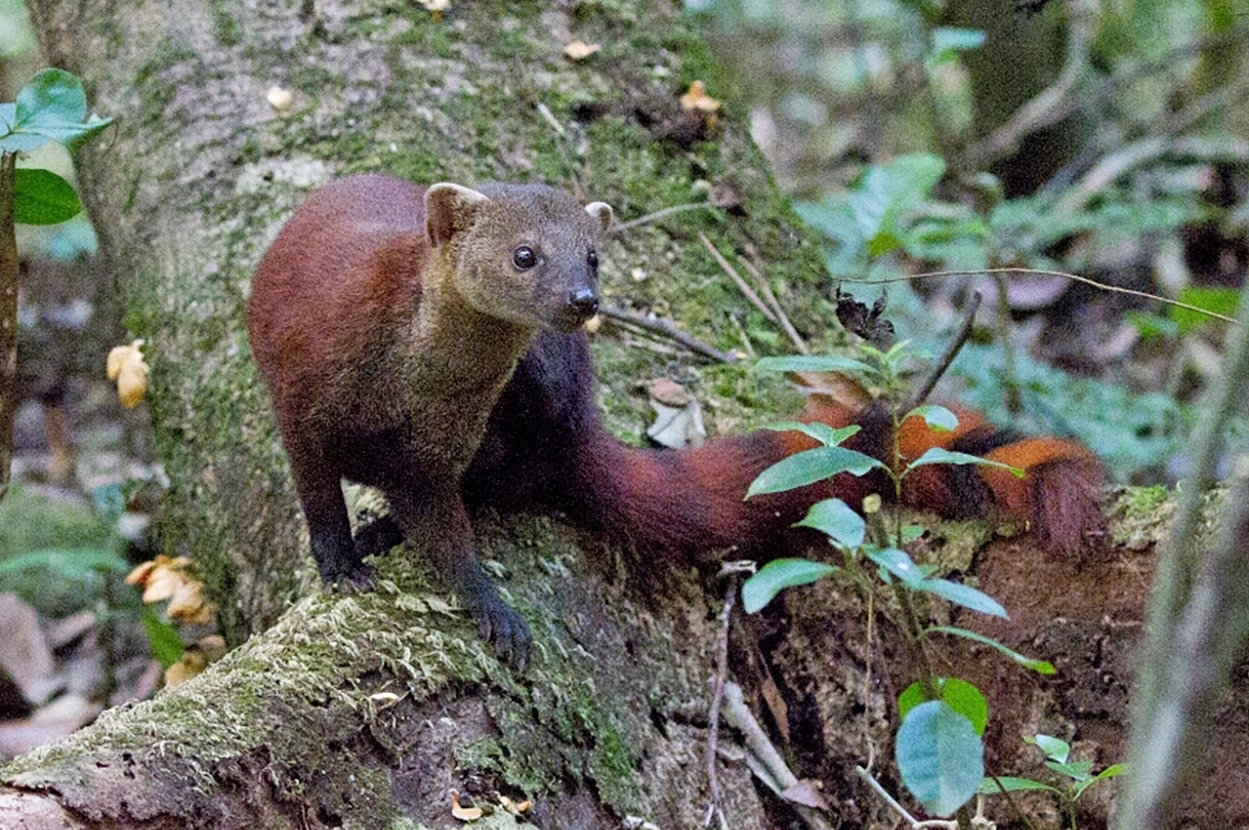
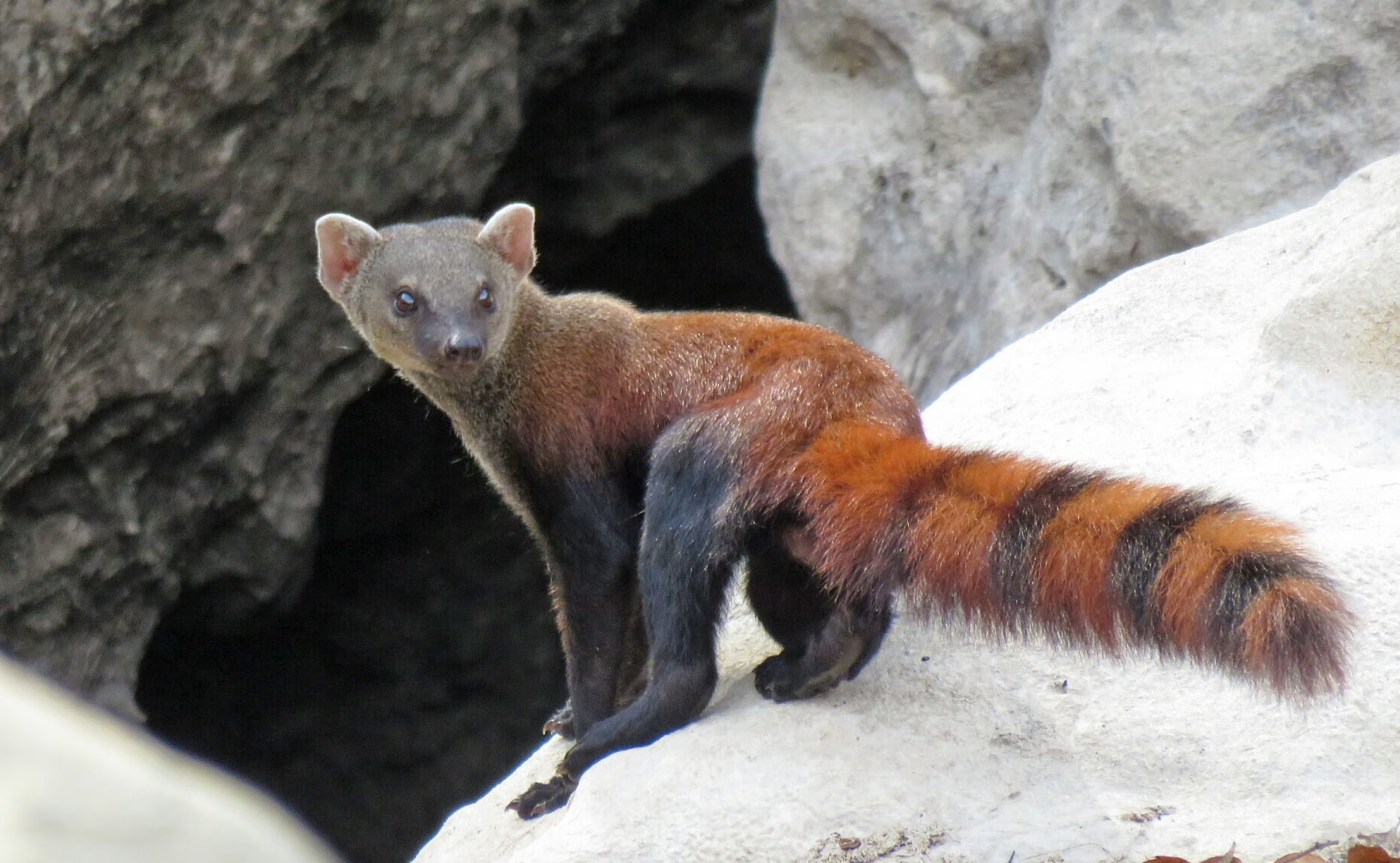
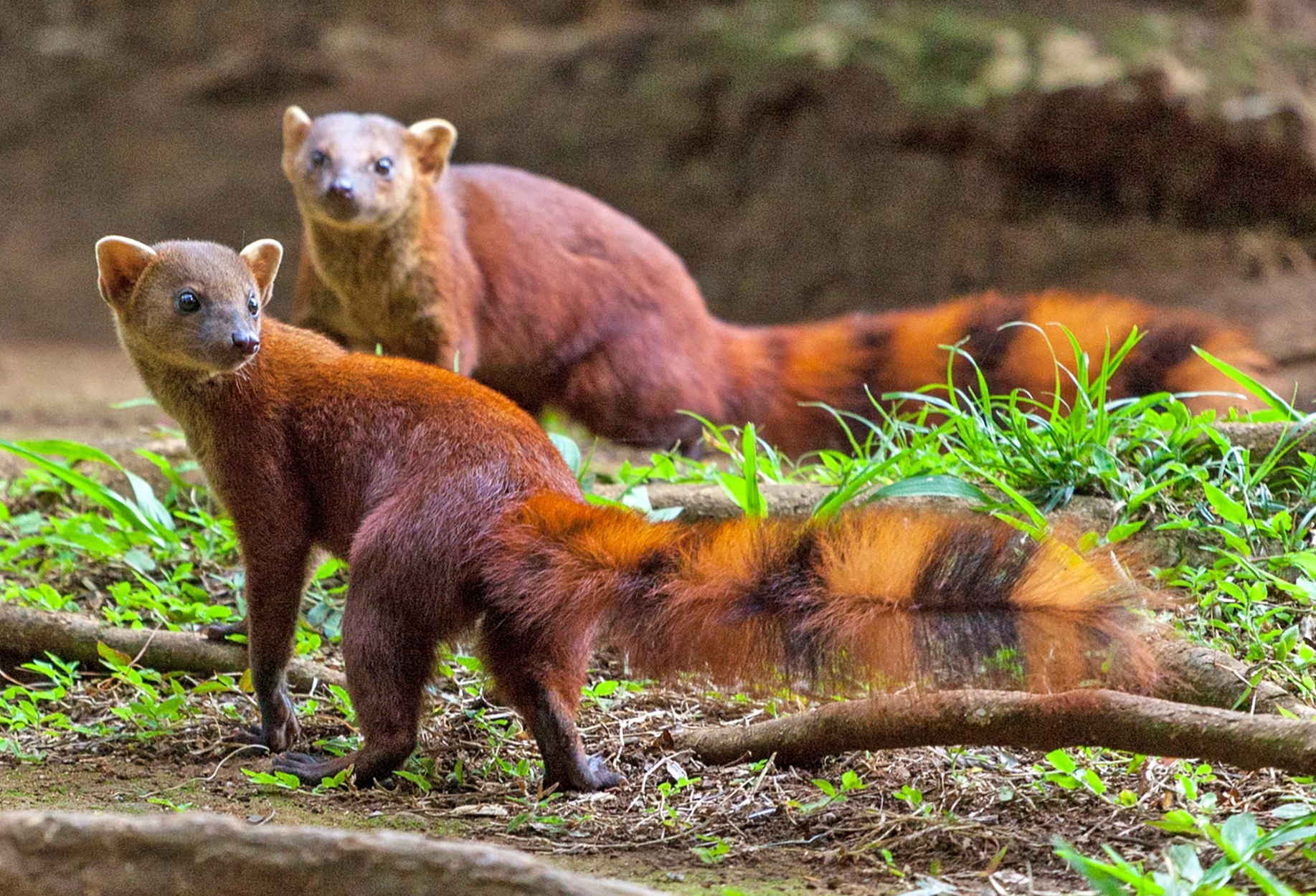
The ring-tailed vontsira (Galidia elegans), also called the ring-tailed mongoose, is one of Madagascar’s most striking small carnivores. Their fur is a rich chestnut or reddish-brown, sometimes deepening to almost mahogany in certain lighting. The tail features six to eight black rings, which stand out against the contrasting red fur.
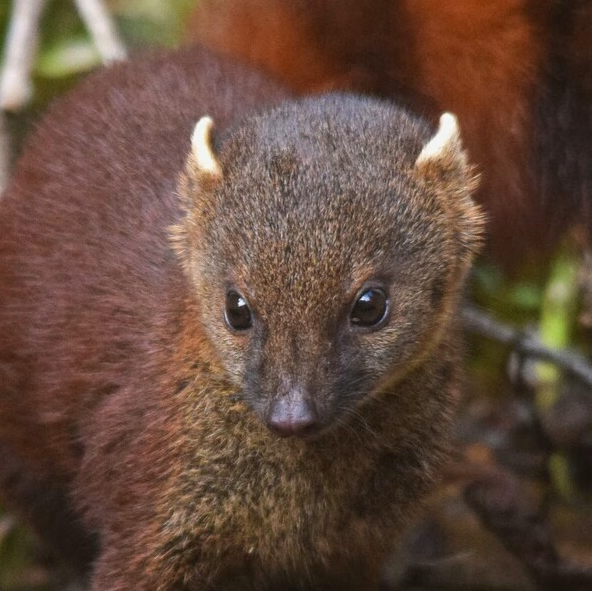
Their bodies are elongated and muscular, designed for agility and rapid bursts of speed. The limbs are relatively short but powerful, ending in sharp claws that are well suited for digging, climbing, and gripping prey. The head is narrow with a pointed snout, housing strong jaws equipped with sharp teeth for slicing meat. Their eyes are forward-facing, providing good depth perception for hunting.
Foods and Feeding
The ring-tailed vontsira is a generalist predator, meaning it adapts its diet to what is available in a given season. Its diet commonly includes rodents, tenrecs, lizards, frogs, birds, bird eggs, insects, and occasionally small crustaceans in wetter habitats. The vontsira has also been observed consuming fruit opportunistically, particularly when animal prey is less abundant.
Foraging is typically done alone. They use their acute sense of smell to locate prey hidden beneath soil or leaves and may dig rapidly to expose it. Their quick reflexes and strong jaws allow them to subdue struggling prey efficiently. By controlling populations of rodents and insects, they help maintain ecological balance within Madagascar’s forests.
Behavior
Ring-tailed vontsira are primarily diurnal, most active during the early morning and late afternoon. Their daily routine often begins with scent-marking their territory, using specialized scent glands to communicate presence and reproductive status. They are typically solitary, although pairs and mothers with offspring are commonly observed. Home ranges can vary depending on habitat quality and food availability, often spanning several hectares.
Their movements are deliberate yet energetic—sniffing, pausing, listening, and then darting forward. They frequently investigate logs, leaf litter, and rock crevices in search of prey. When threatened, they may emit growls or high-pitched alarm calls, arch their backs, and erect their tails to appear larger. They are also capable climbers and may ascend trees to escape danger or pursue arboreal prey. Their sharp hearing helps them detect the faint rustle of insects or small vertebrates beneath forest debris.
HABITAT
Endemic to Madagascar, the ring-tailed vontsira inhabits a wide range of forest environments. It is found in eastern rainforests, western dry deciduous forests, and montane forests at elevations exceeding 4,900 feet (1,500 meters). It prefers dense understory vegetation that offers both cover and hunting opportunities.
Vontsira rely heavily on intact forest ecosystems with fallen logs, leaf litter, and rocky outcrops for shelter. While they can tolerate some habitat disturbance, they are less common in heavily degraded areas. Fragmented forests may limit their movement and reduce access to prey, particularly if corridors between forest patches disappear.
Reproduction and Life Cycle
Breeding generally occurs once per year, often aligned with seasonal rainfall patterns that increase food availability. After a gestation period of approximately 50 to 60 days, females give birth to one to three offspring in concealed dens such as hollow trees, underground burrows, or rock crevices. The young are born blind and sparsely furred.
For the first few weeks, the mother provides constant care and protection. As the juveniles grow, they begin accompanying her on short foraging trips, gradually learning hunting skills through observation and practice. Weaning occurs after several weeks, but maternal guidance may continue for months. Sexual maturity is typically reached by one year of age.
Conservation and Threats
This species is currently classified as Least Concern, largely due to its relatively broad distribution across Madagascar. However, it faces ongoing threats tied to the island’s environmental challenges. Deforestation for agriculture, logging, charcoal production, and mining continues to reduce and fragment forest habitats. Conservation strategies that protect and reconnect forest habitats are essential for maintaining healthy populations. Community-based forest management, protected area expansion, and sustainable livelihood programs all contribute indirectly to safeguarding this species.
Introduced predators such as domestic dogs and cats can prey on vontsira or compete for food. Although not heavily targeted by hunting compared to some other Malagasy carnivores, localized trapping and human-wildlife conflict may occur. Climate change also poses potential long-term impacts by altering forest structure and prey availability.