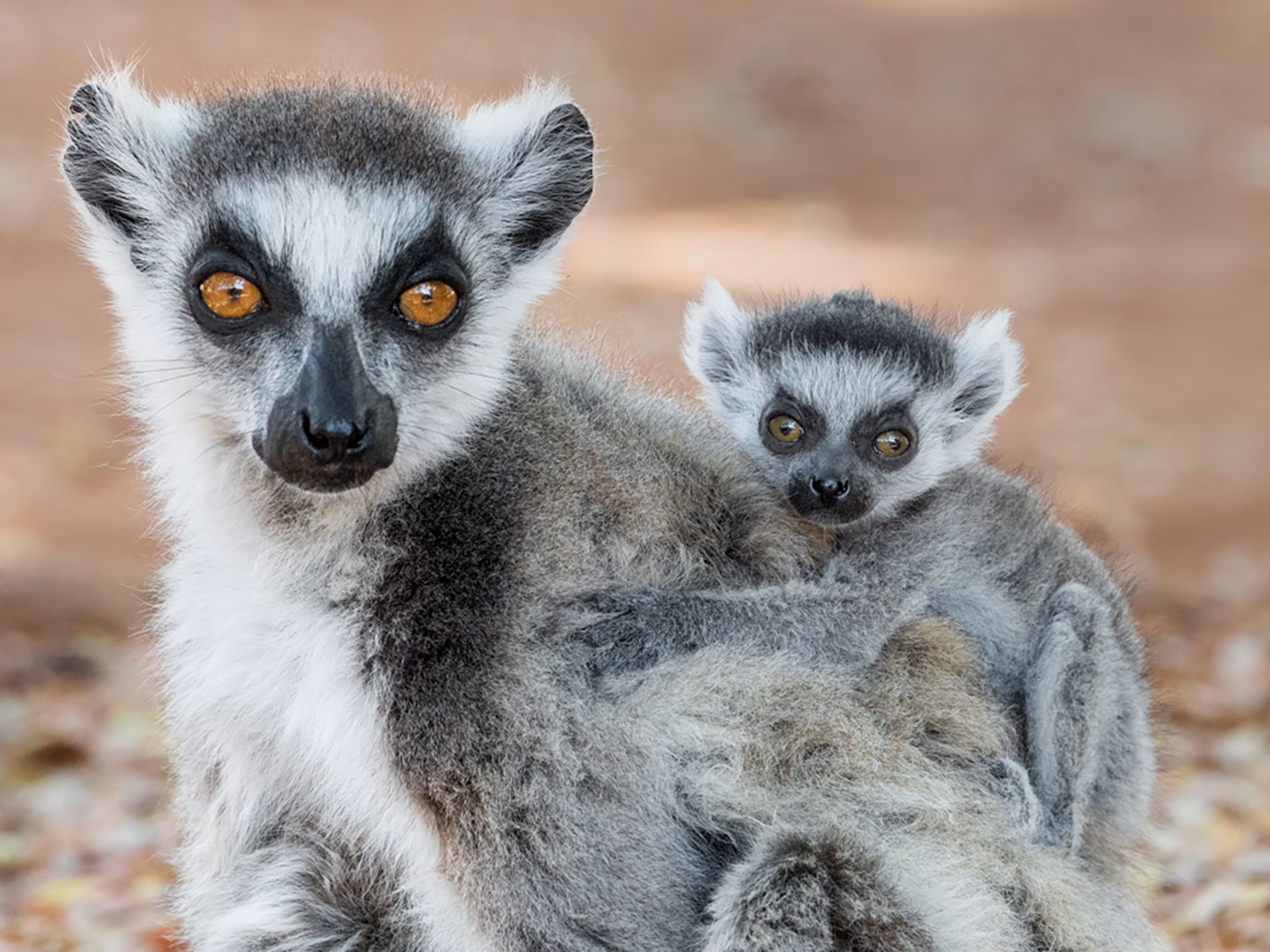
Ring-tailed Lemur
Lemur catta
Endangered


STATUS
Endangered
SIZE
Body length: 17 in (43.18 cm)
Weight: 4.9 to 6 lbs (2.2 to 2.7 kg)
HABITAT
Deciduous thicket and spiny desert
DIET
Fruit, leaves, flowers, herbs, cactus, some insects
LIFESTYLE
Diurnal and cathemeral
Arboreal and terrestrial
Social
REPRODUCTION
Gestation: 135 days
Young: usually 1; twins not uncommon if food is plentiful
THREATS
Habitat loss
Deforestation
Being hunted as a food source

INTERESTING FACTS
Ring-tailed lemurs have scent glands that produce a stinky scent they use to communicate. Each lemur’s musky scent has been found to contain a complex mix of more than 200 different chemical compounds!
Ring-tailed lemurs are the most terrestrial of the lemurs, spending up to 50 percent of their time on the ground.
When males compete for females during the breeding season, they sometimes use “jump fights” to warn off rivals, leaping in the air at one another and slashing with their sharp canine teeth.
Characteristics
The ring-tailed lemur is a strikingly unique primate, easily recognizable by its distinctive physical features that make it an icon of Madagascar’s wildlife. Its most notable characteristic is its long, bushy tail, adorned with alternating black and white rings. This tail isn’t just for show; it plays a crucial role in balance and communication, especially during group movements through the forest.
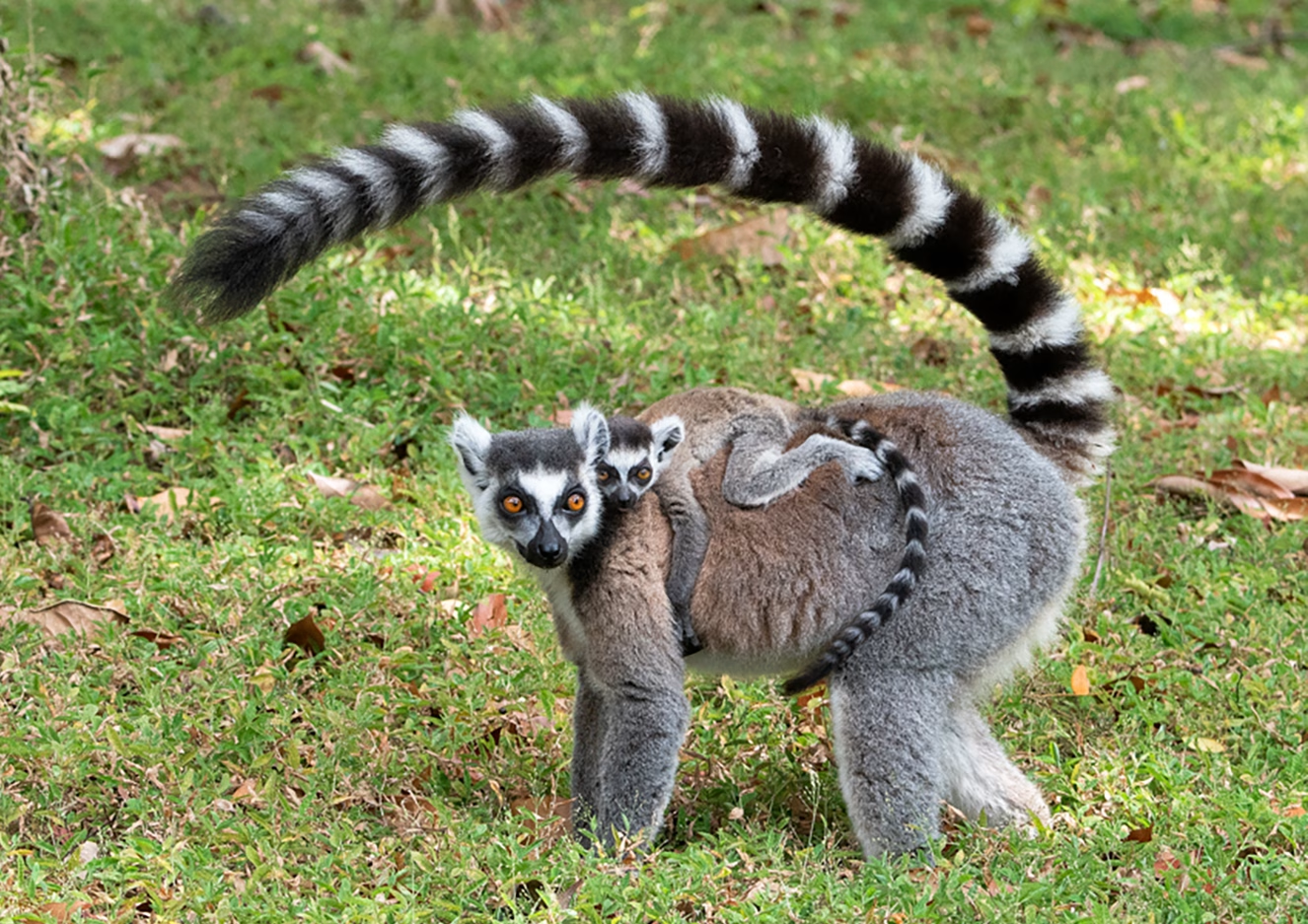
Beyond its tail, the ring-tailed lemur has a compact body covered in dense, soft fur that ranges from gray to brown, providing camouflage in its natural habitat. Its face is framed by white fur, accentuating its expressive, amber-colored eyes and a dark, triangular nose. The contrast between the white face and the dark eye rings gives it a perpetual look of curiosity and alertness.
The ring-tailed lemur’s limbs are strong and agile, perfectly adapted for both climbing and terrestrial movement. Unlike many other lemurs, they are often seen on the ground, spending up to 50 percent of their time there, using their powerful legs to leap and bound across the terrain with ease. Their hands and feet are equipped with opposable thumbs and toes, allowing them to grasp branches and food with precision.
Foods and Feeding
The ring-tailed lemur is a master forager, with a widely varied diet that aids its adaptability and resourcefulness in the wild. These lemurs eat fruits, leaves, flowers, sap, and bark, along with occasional insects. One of their favorite treats is tamarind fruit, which provides a rich source of nutrients and energy, crucial for their active lifestyle. Due to the fact that vegetation in forests inhabited by these lemurs is sparse and non-continuous, they often travel widely in search of food, an adaptation to survival in a harsh climate.
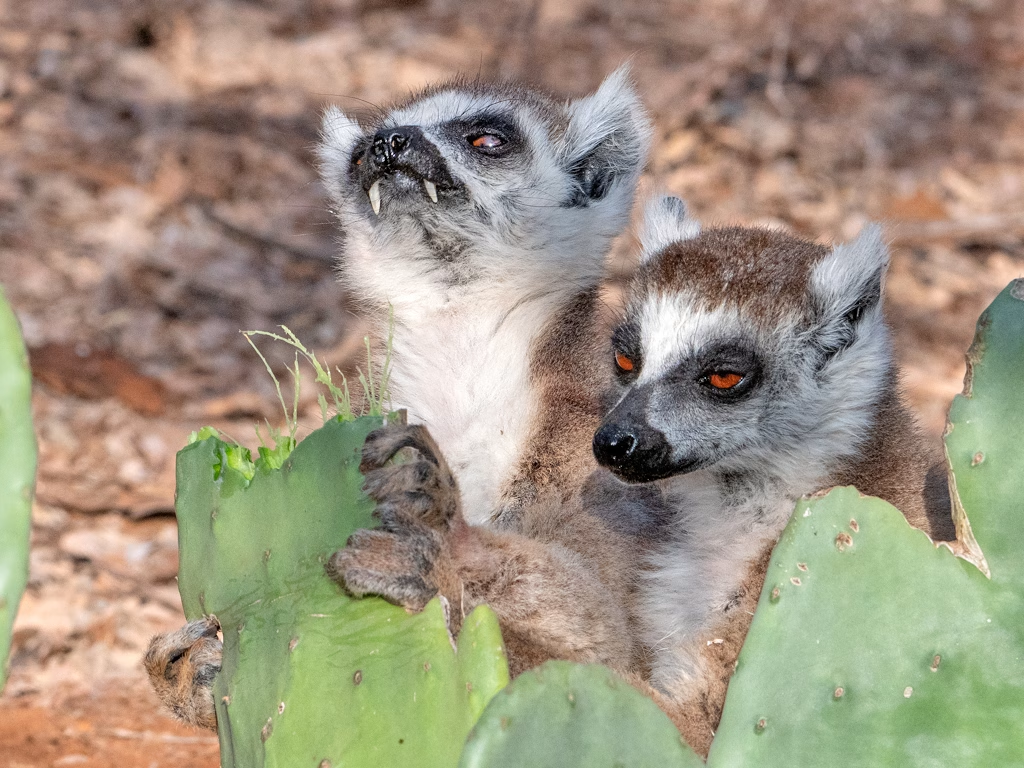
Feeding is a highly social activity for ring-tailed lemurs, often carried out in groups. This social foraging not only facilitates access to food but also strengthens social bonds within the group. They use a “sit and pluck” method, sitting comfortably while using their dexterous hands to selectively pick leaves and fruits. This approach minimizes energy expenditure while maximizing food intake.
The lemurs’ keen sense of smell plays a pivotal role in locating ripe fruits and edible vegetation. This scent-driven strategy ensures they consume food at its nutritional peak, which is essential for their health and survival.
Behavior
Ring-tailed lemurs can be mainly diurnal, meaning active during the day, or cathemeral, meaning intermittently active both day and night. In the morning they take full advantage of the sun’s warmth, engaging in their famous “sun-worshipping” behavior. They sit upright, arms outstretched, almost like a yoga pose, basking in the sun’s rays to warm up after a chilly night. The fur on their underside is thinner, and the skin underneath is dark to absorb more heat, so this baring of the belly is more than cute, it’s also effective.
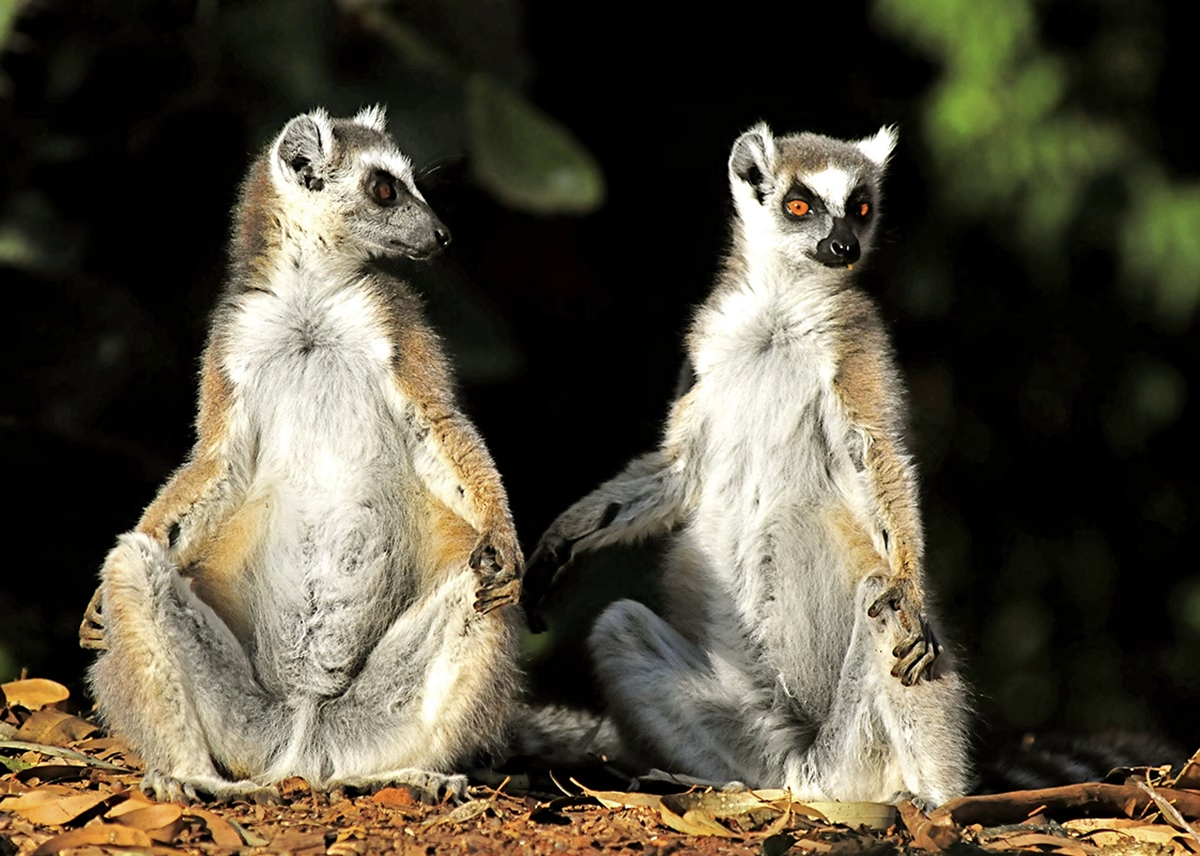
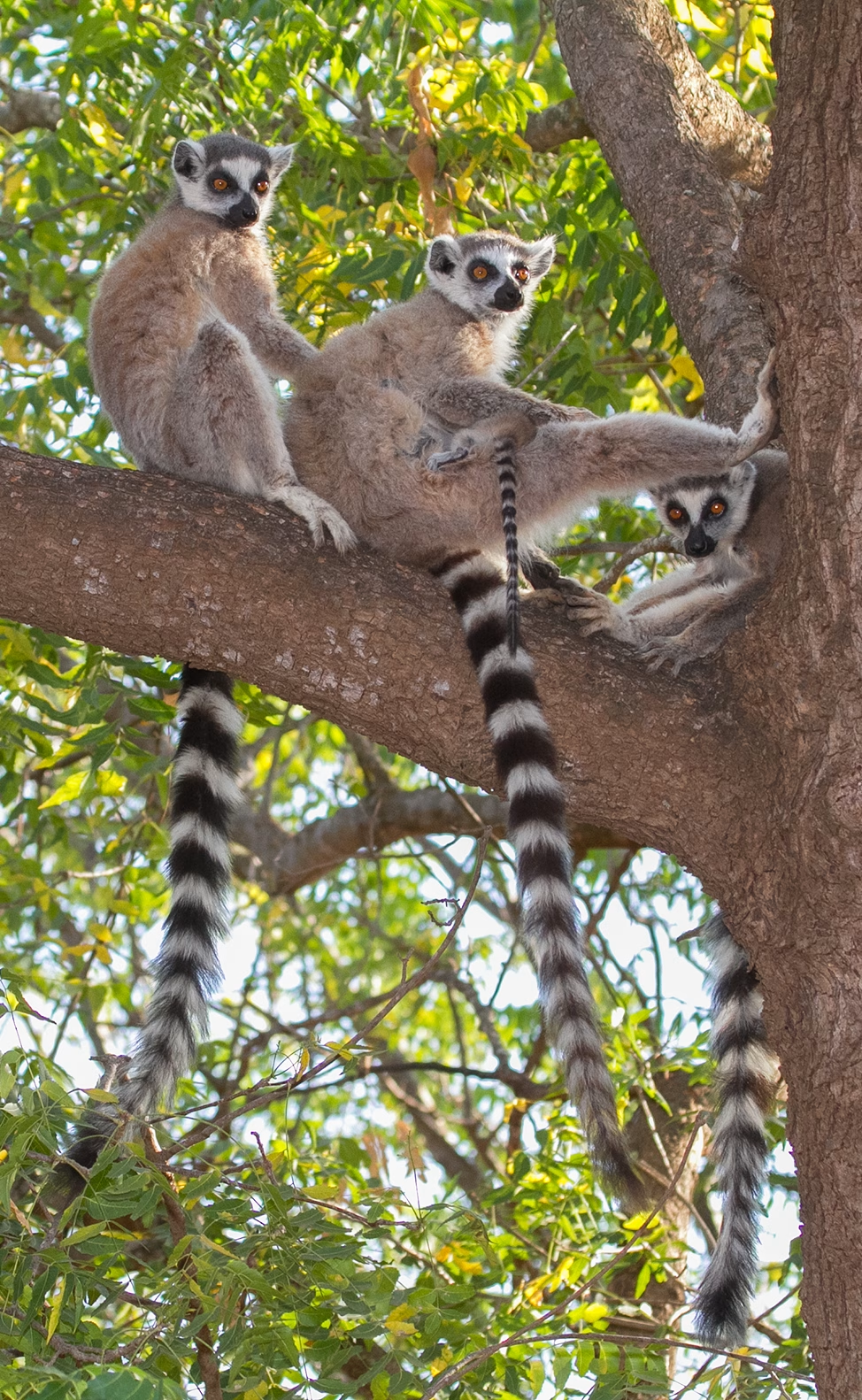
Ring-tailed lemurs are highly social animals, forming groups known as troops that can range from 6 to 30 individuals. These troops are matriarchal, meaning that females are dominant over all males, and an alpha female acts as the group leader. Females live in one group their entire lives, while males migrate from group to group. Social interactions within a troop are rich and complex, with grooming playing a crucial role in maintaining bonds and hierarchy. This grooming not only helps keep them clean but also reinforces social ties and reduces tension.
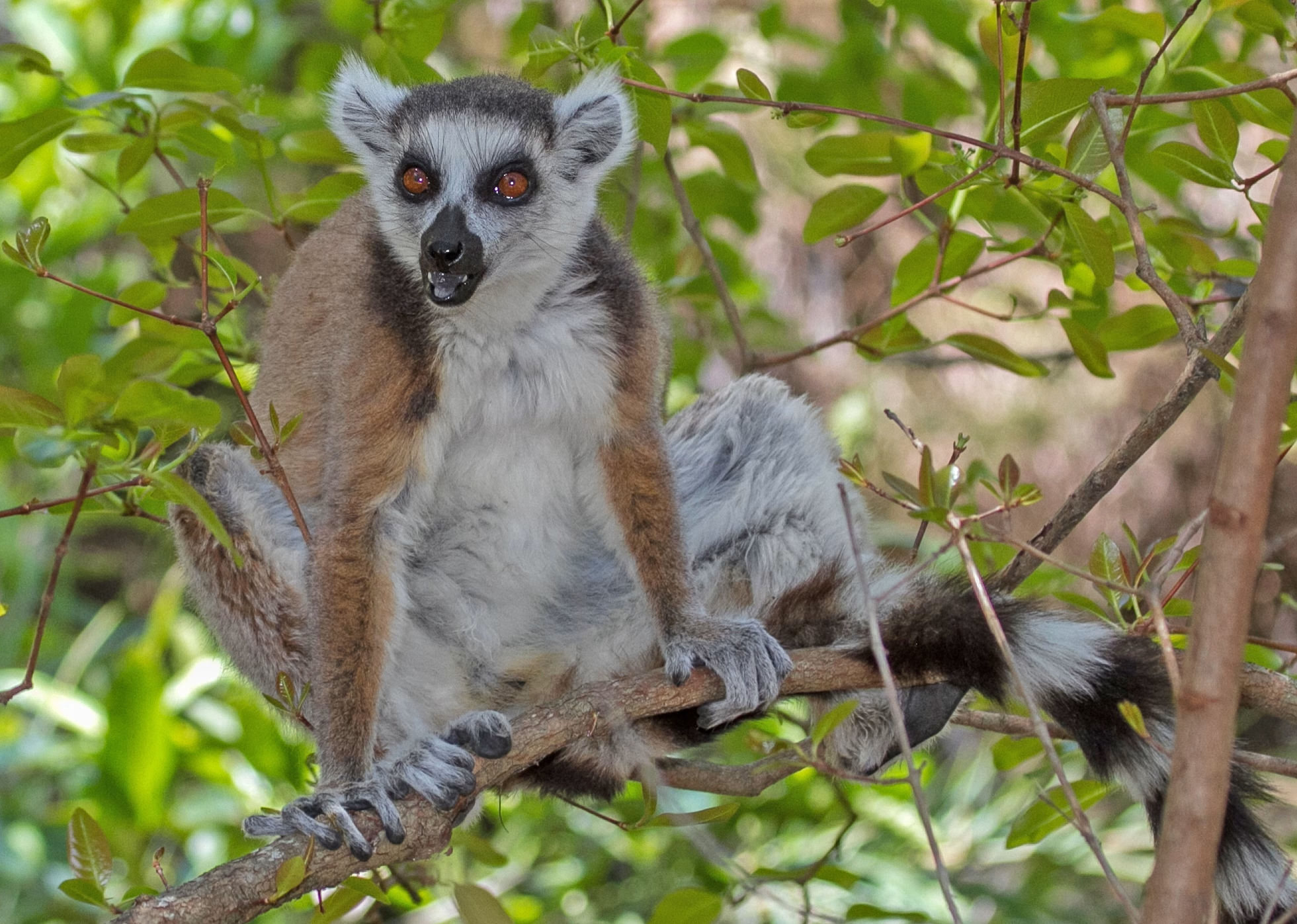
Communication among ring-tailed lemurs is multi-faceted, involving vocalizations, scent marking, and body language. They are one of the most vocal primates, with a large vocabulary of at least 28 different calls. These include several types of alarm calls, which alert group members to potential danger. When ring-tailed troops travel throughout their home range, they use constant vocalizations to stay in touch, and they also keep their tails raised in the air like flags so troop members can find one another and stay together.
Scent marking is an important part of their communication, identifying individuals, signaling reproduction readiness, and even indicating illness or stress. Females have only one set of scent glands, but males have three, including on their wrists and chest. Males use their pungent scents to engage in “stink fights,” in which two lemurs rub scent all over their tails, then flick and fling their tails at each other to see which one out-stinks the other!
When it comes to movement, ring-tailed lemurs are both agile and graceful. They are excellent climbers, able to navigate the trees with ease, but they also spend a significant amount of their time on the ground, which makes them the most terrestrial of the lemurs. This behavior is supported by their strong limbs and tail, which provides balance during their frequent ground forays.
Reproduction and Life Cycle
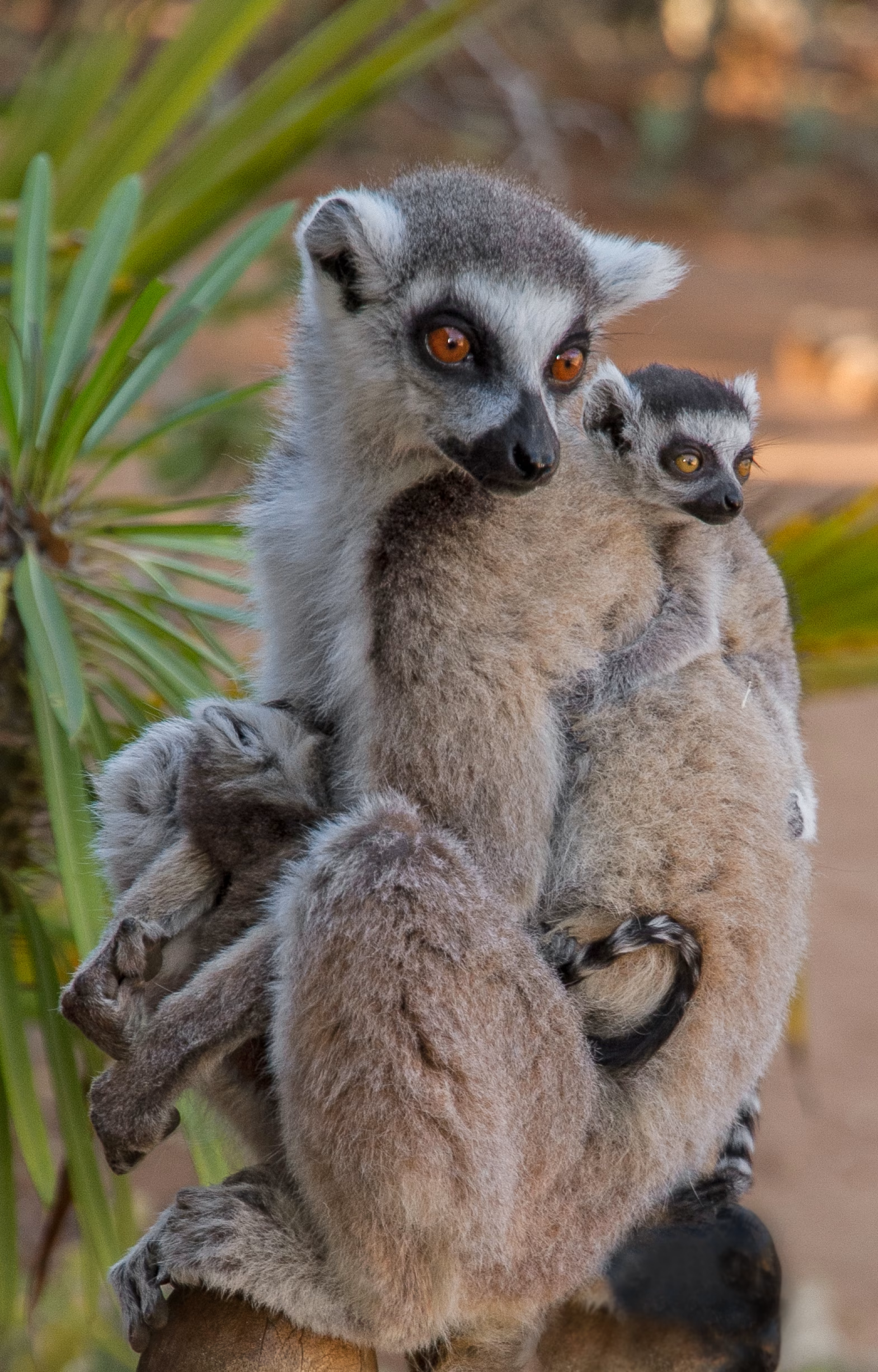
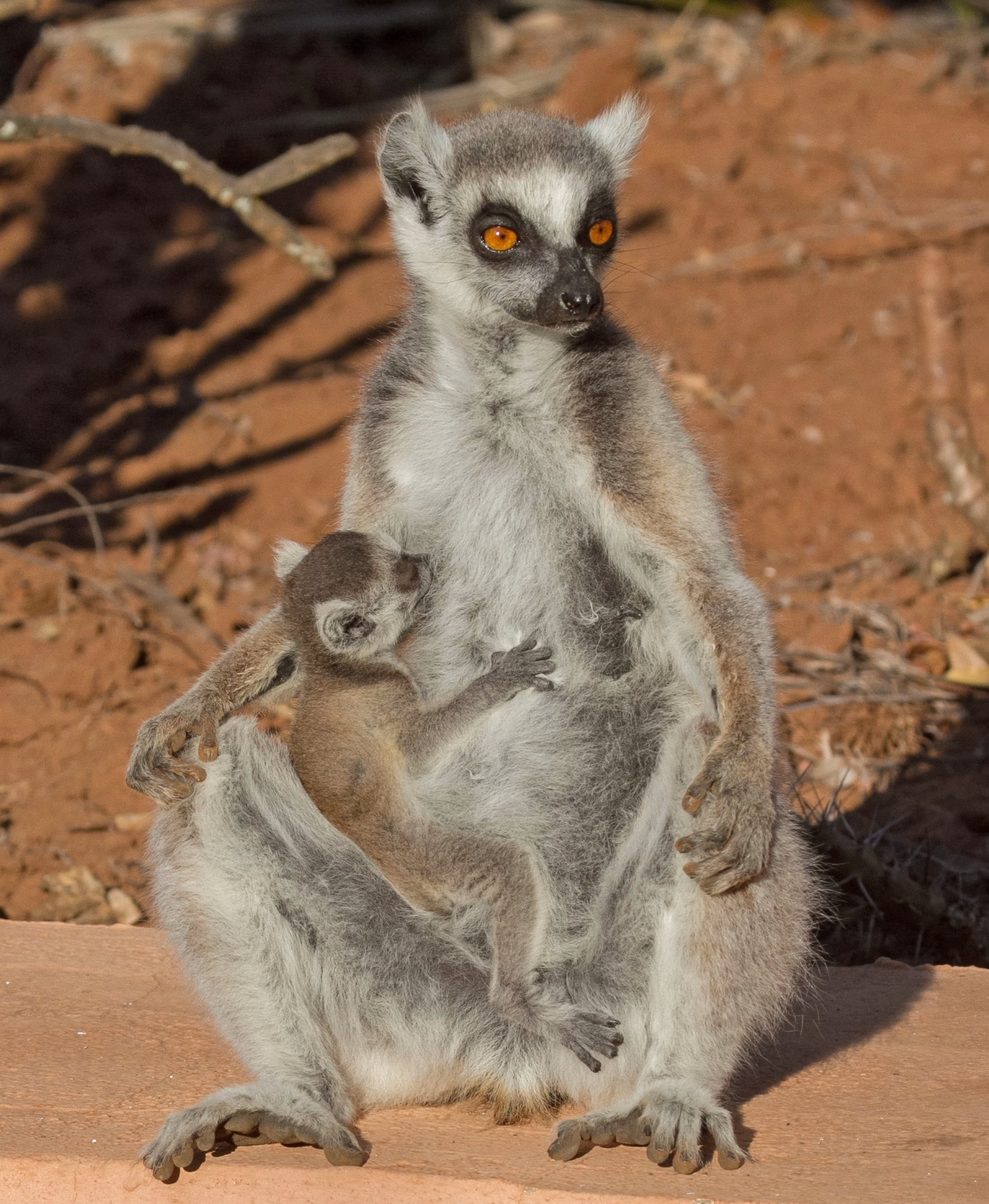
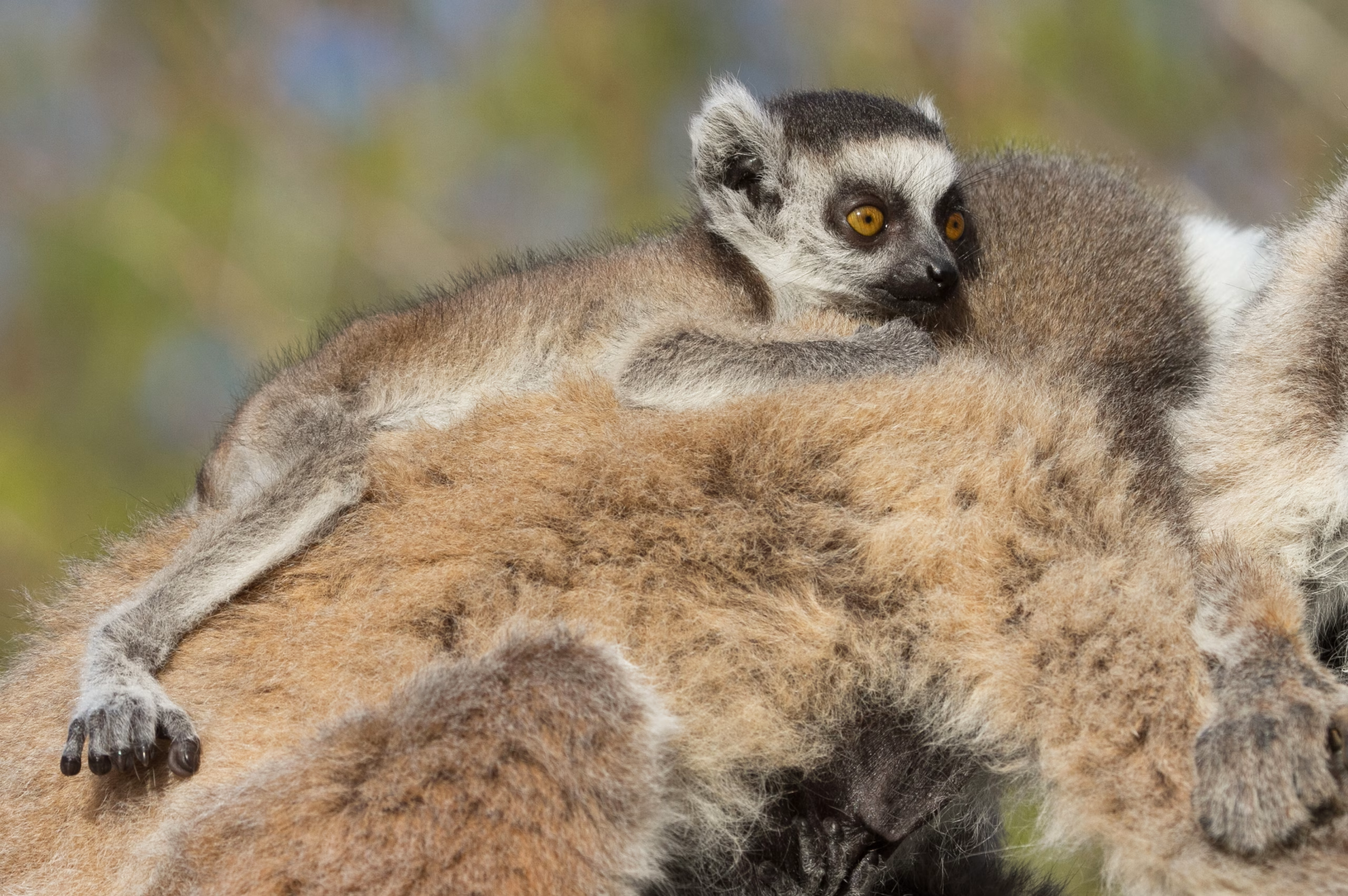
The breeding season for ring-tailed lemurs typically occurs between April and June, with females giving birth to a single offspring after a gestation period of about 135 days. The mother carries the baby on her stomach for the first few weeks, then on her back as it gains strength. Mothers nurse their infants several times a day until they are weaned at around five months. Juveniles are still dependent on their mothers for up to two years, which ensures that the young learn essential survival skills and social behaviors critical for their integration into the troop.
Conservation and Threats
Despite their widespread recognition, ring-tailed lemurs face numerous threats, primarily due to habitat destruction. Unfortunately, the sparse, level-terrain forests that ring-tailed lemurs inhabit are easily cleared, even with limited tools, and the habitat is shrinking at an alarming rate. It is being converted to farmland and grazed by livestock, and the trees are harvested for charcoal production. In fact, satellite images suggest that ring-tailed lemur habitat is vanishing at an even greater rate than forests in other parts of Madagascar. Ring-tailed lemurs are also hunted for food in certain areas of their range and are kept as pets.
Fortunately, ring-tailed lemurs are found in several protected areas in southern Madagascar, but the level of protection varies widely in these areas, offering only some populations refuge from hunting and habitat loss. Conservation efforts focus on habitat preservation, enforced legal protection, and community engagement to ensure the survival of these charismatic primates.