

FANALOKA / MALAGASY CIVET
Fossa fossana
Vulnerable
STATUS
Vulnerable
SIZE
Length: 16 to 19 in (40 to 50 cm), not including tail
Weight: 3 to 4.6 lbs (1.4 to 2.1 kg)
HABITAT
Tropical and subtropical rainforest
DIET
Carnivore
LIFESTYLE
Arboreal/Terrestrial
Solitary
Nocturnal
THREATS
Habitat Loss

INTERESTING FACTS
This animal’s Malagasy name, fanaloka, is related to the Malay word pelanduk, meaning mousedeer, probably because the two animals have a similar size and silhouette.
The fanaloka is the second-largest carnivore in Madagascar, after the fosa.
The bushy tail can also store fat, which can be used in the winter or at other times when food is scarce.
Characteristics
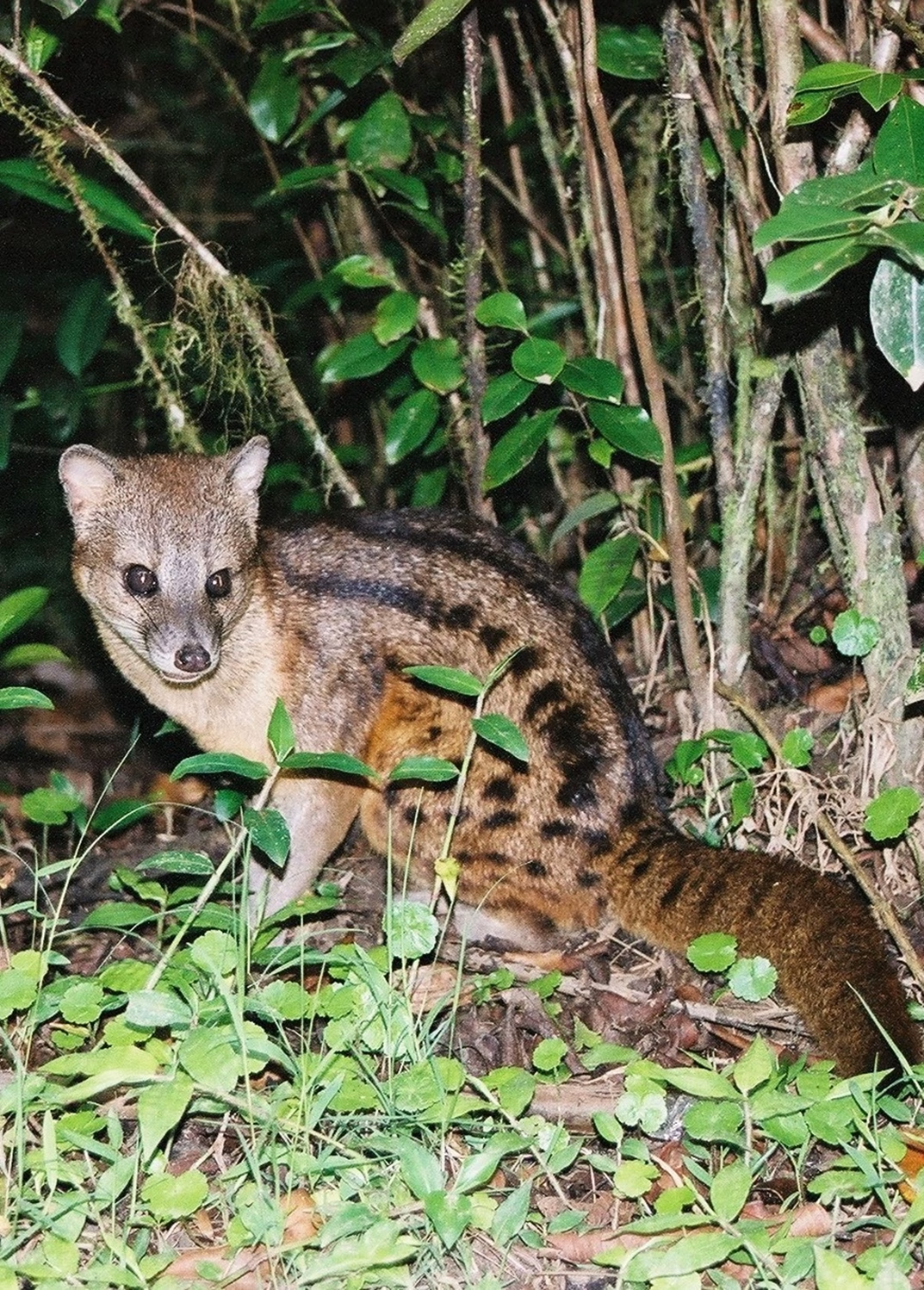
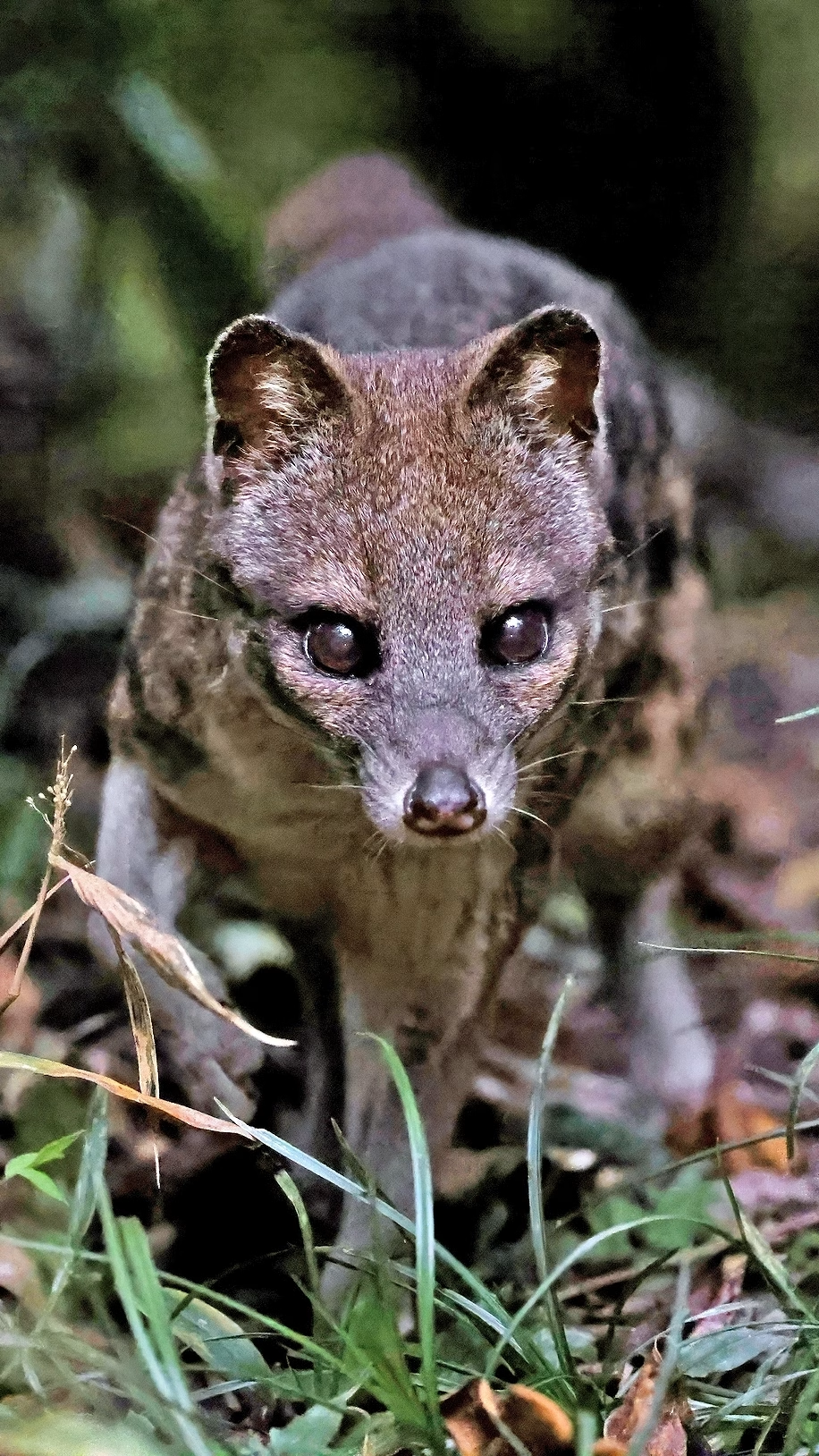
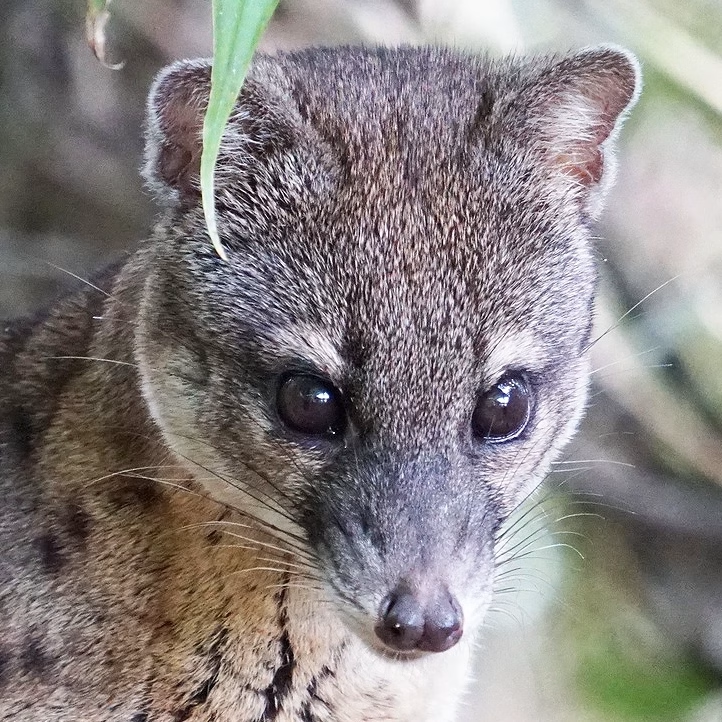
The Malagasy civet, also known as the fanaloka, is a small, secretive carnivore found only in Madagascar’s eastern rainforests. Despite its common name and civet-like appearance, it belongs to the unique carnivore family Eupleridae and is only distantly related to Asian and African civets. It has a slight build and is about the size of a house cat, but it has a long, pointed muzzle, small, rounded ears, and large eyes suited to its nocturnal lifestyle.
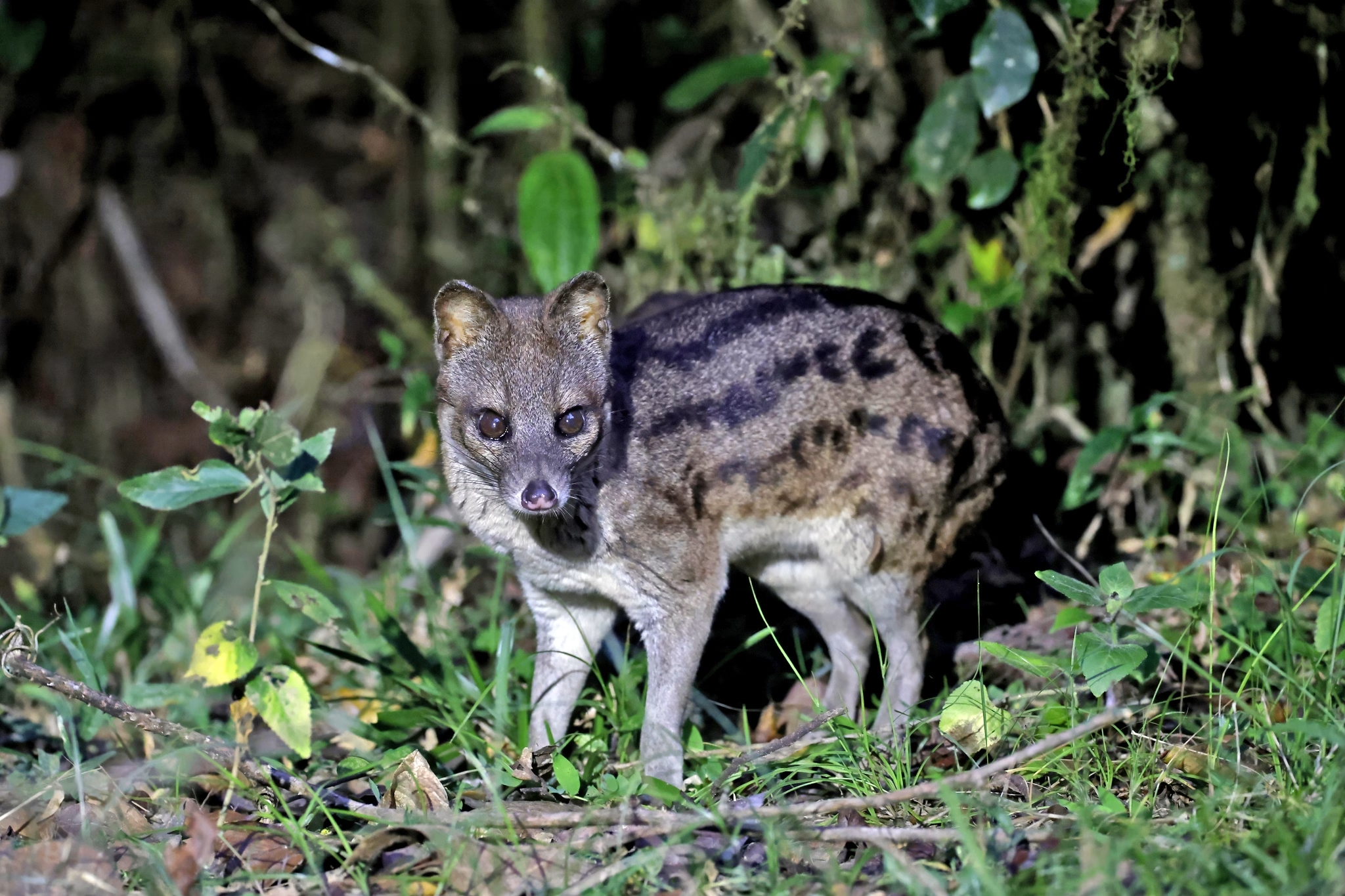
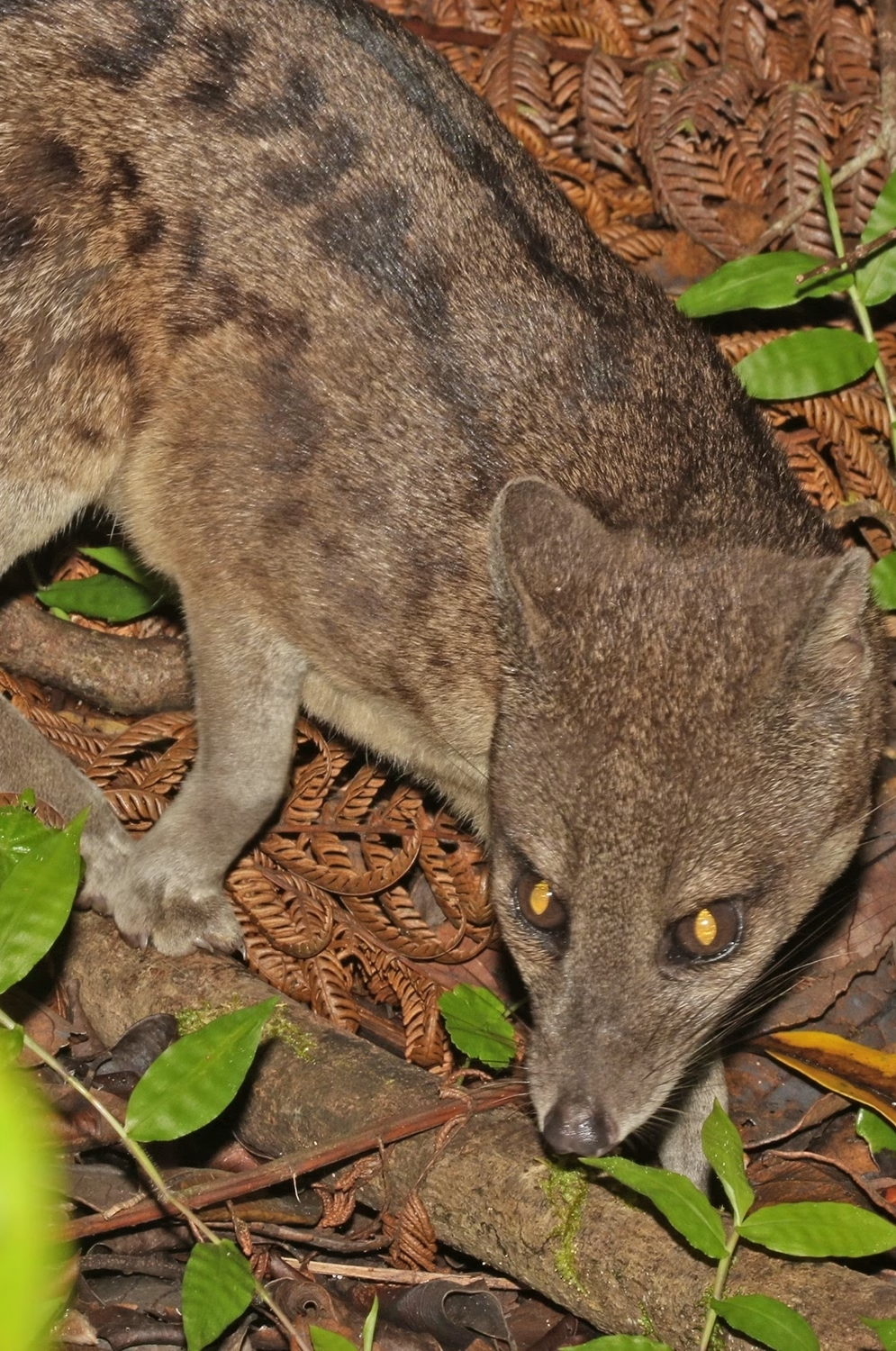
The coat is patterned with dark stripes fading into rows of spots or blotches; the tail may show faint rings in the bushy fur. Long whiskers help the fanaloka feel its way through dense brush, while semi-retractile claws add grip for climbing and handling prey. Like many of Madagascar’s carnivores, it relies heavily on scent: well-developed scent glands deposit musky messages on logs and leaves that persist long after the animal has slipped past.
Foods and Feeding
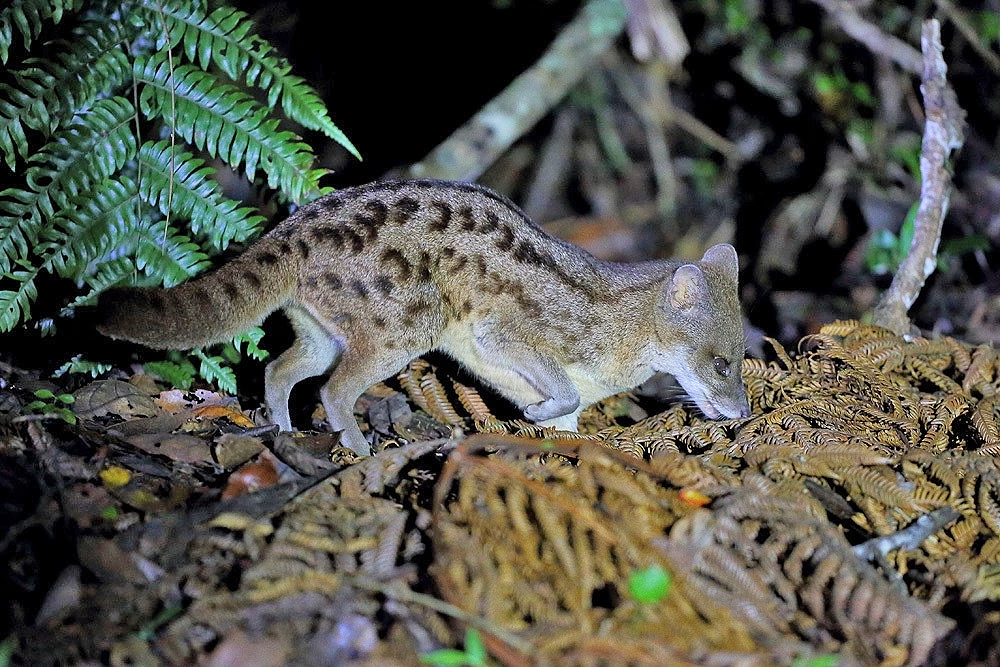
Versatile, patient, and persistent, the fanaloka is mostly carnivorous, hunting along the forest floor with its nose close to the ground, rummaging through leaf litter and along stream banks where smells linger. Much of its diet consists of invertebrates: beetles, crickets, earthworms, and, in many areas, freshwater crustaceans such as crabs and shrimps, which it will deftly extract from shallow water. Small vertebrates round out the menu, including rodents, mouse lemurs, tenrecs, lizards, frogs, and the occasional ground-foraging bird.
The fanaloka hunts by stealth rather than speed, pausing often to listen and sniff, then dispatching prey with a quick pounce and precise bite. Although it does climb, most of its hunting is terrestrial, especially along stream edges and damp ravines. It will occasionally nibble fallen fruit if it comes across some, which may contribute to seed dispersal in some forests.
Behavior
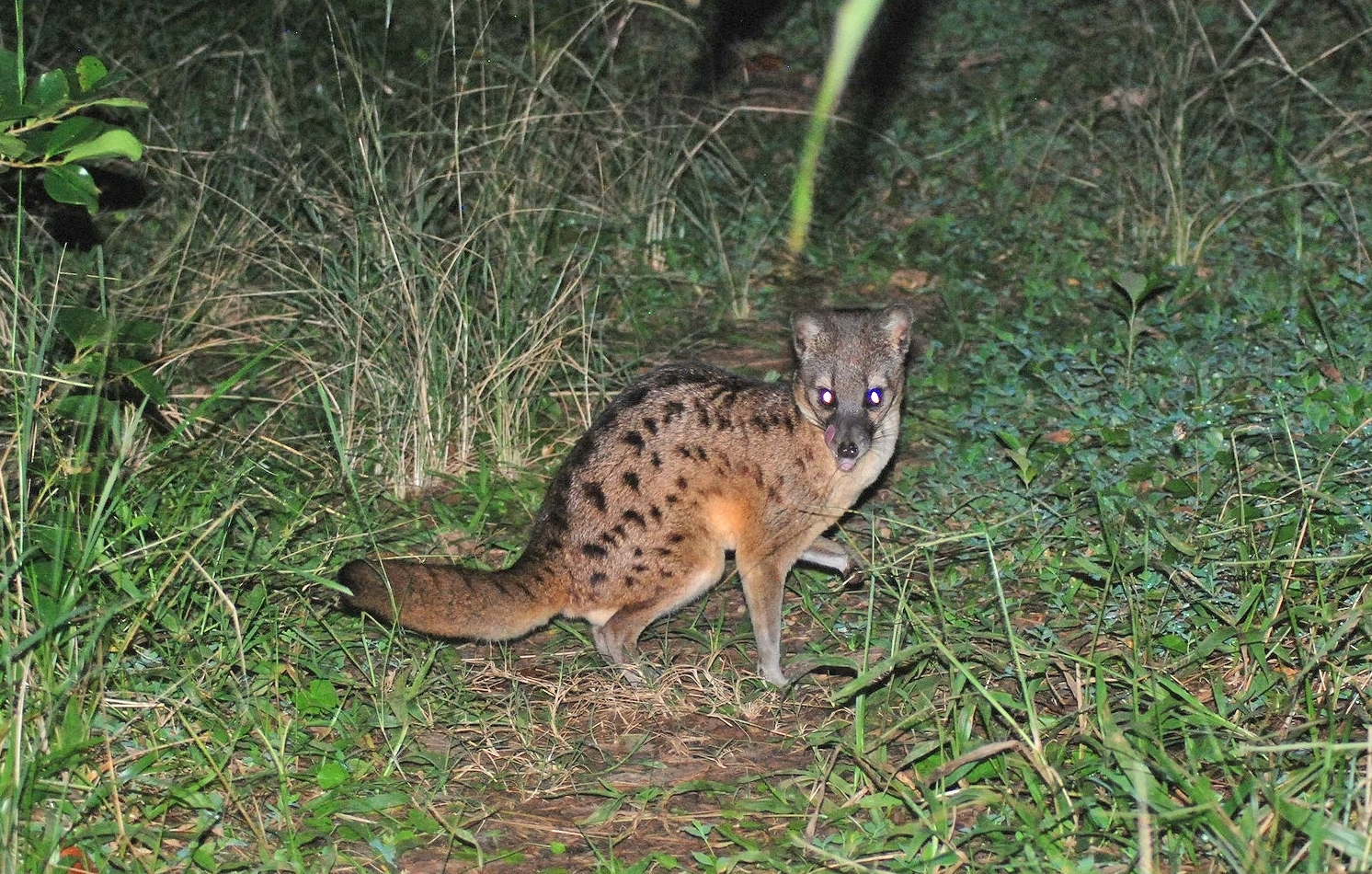
The nocturnal fanaloka becomes active soon after dusk and continues through the early morning hours. Daylight finds it tucked into a secure retreat—dense vegetation, a hollow log, the tangle of buttress roots, or even a tree cavity—where it rests and grooms. It is primarily solitary outside the breeding season, with males generally ranging over larger areas than females. Home ranges can overlap, but encounters are infrequent and typically brief.
Fanaloka communication is dominated by scent. Individuals establish regular latrine sites that others check, and they rub glandular secretions along their paths, layering chemical cues that convey identity, reproductive state, and territorial boundaries. Vocalizations are quiet and infrequent, mainly hisses, grumbles, and low calls; posture and scent do most of the social work. The species favors intact and lightly disturbed humid forest from lowlands into montane zones and is often associated with watercourses, where prey is abundant and cover is thick.
Reproduction and Life Cycle
Breeding is seasonal across much of the fanaloka’s range, tending to occur during the cooler, drier months so that births are timed near the onset of the rains, when food is more plentiful. After a gestation of roughly 10 to 11 weeks, the female gives birth in a sheltered den to a small litter—most often a single young, occasionally two. Newborns are blind and helpless, relying entirely on maternal care in the safety of the den.
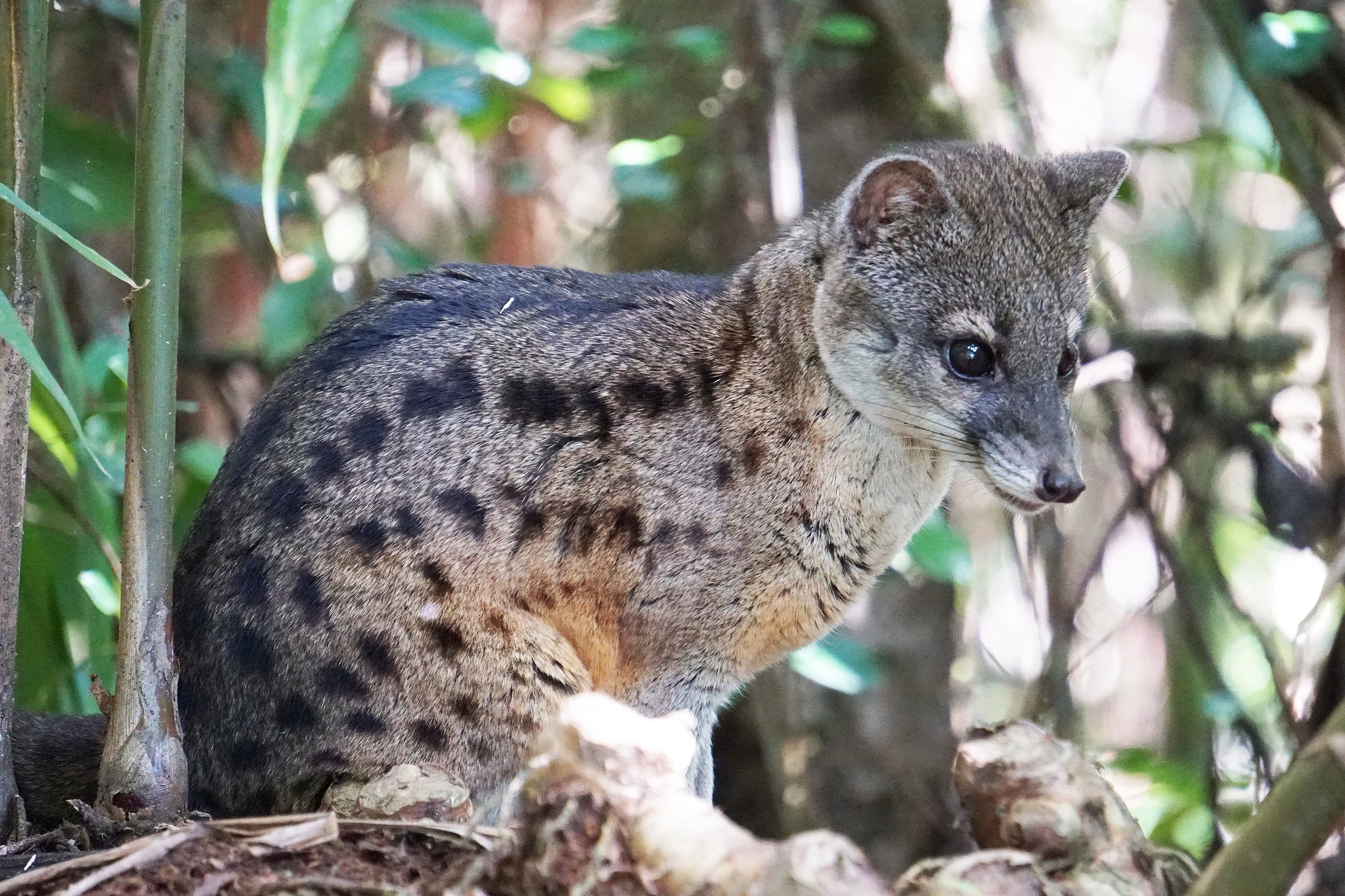
The youngster’s eyes open after one to two weeks, and after several more weeks, it begins to follow its mother on short nocturnal excursions, learning the paths, scents, and hunting techniques that define civet life. Weaning typically occurs at about two to three months, with independence following soon after, around three to four months of age. Sexual maturity is reached in roughly a year.
Conservation and Threats
The Malagasy civet remains fairly widespread along Madagascar’s eastern rainforest and persists in a number of protected areas, yet it is declining in many places and increasingly restricted to fragmented forest blocks. Its dependence on humid forest—especially riparian habitats—makes it sensitive to landscape change. The leading pressure is habitat loss and fragmentation from agriculture, logging, charcoal production, mining, and expanding settlements. Hunting and snaring for bushmeat, along with retaliation for raiding poultry in villages, occurs as well. Additional threats come from free-ranging dogs and cats, which act as competitors and predators and can transmit diseases such as rabies and canine distemper.
Conservation priorities include strengthening protection and connectivity among key eastern rainforests—particularly safeguarding streamside corridors. Continued monitoring and ecological research will refine the understanding of population trends and breeding seasonality, while environmental education can highlight the fanaloka’s role in controlling rodents and invertebrates—an understated but valuable ally in the health of Madagascar’s rainforest ecosystems.