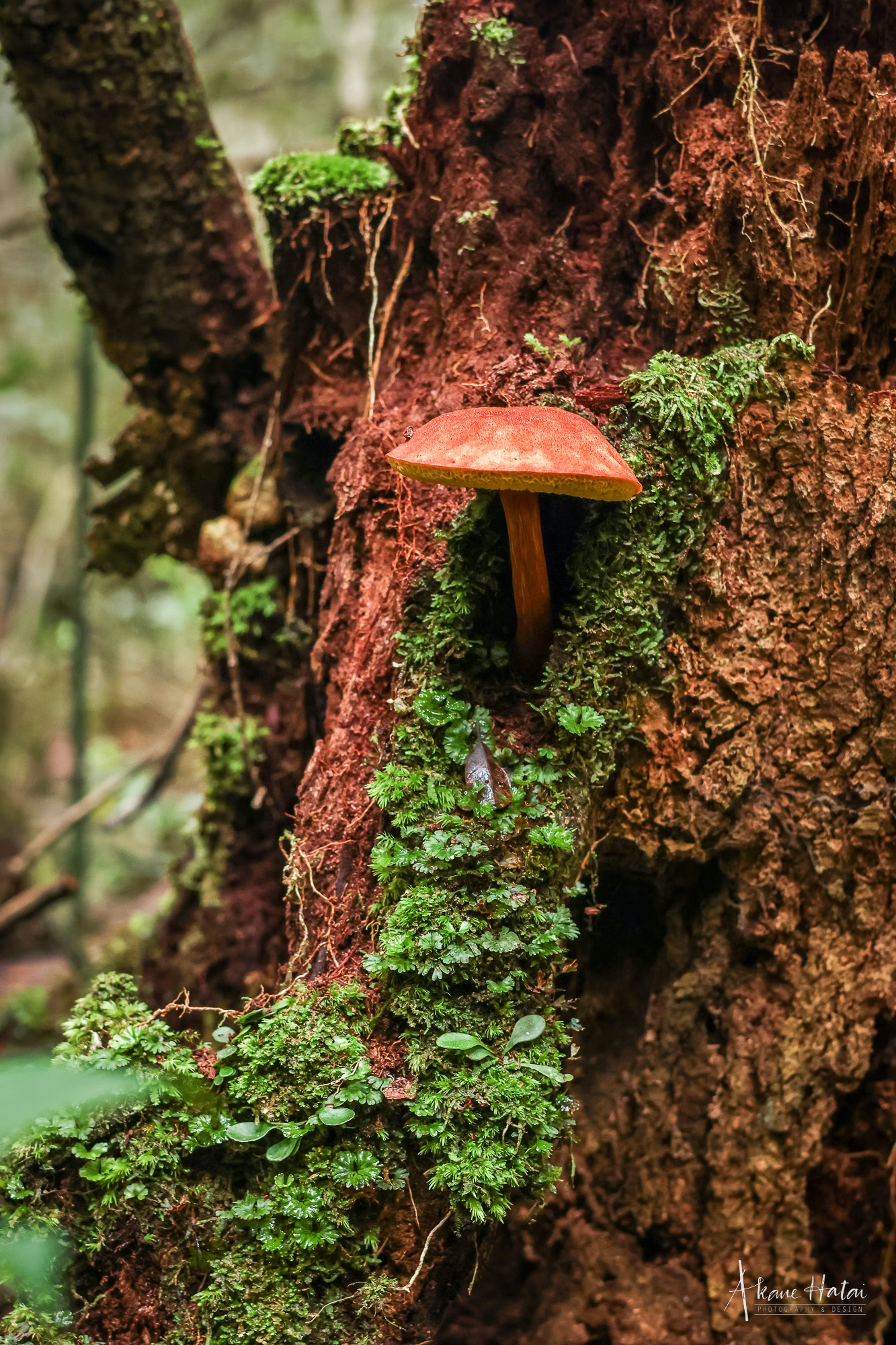
What do singing lemurs, camouflaged geckos, giggling school kids, and freshly boiled taro have in common? They’re all part of Creative Director Akane Hatai’s whirlwind eight-day adventure in Madagascar’s lush La Mananara rainforest. Her blog takes you along for every leap, laugh, and late-night lemur release in this behind-the-scenes look at life at the field station.
All the Scaly friends
I was incredibly lucky to have Henri Raherinjatovo, our dedicated reptile expert, to help me find some amazing reptiles that live in La Mananara. Initially, I knew him as the “Star Wars sweatshirt guy who sometimes appeared,” unaware that his nighttime activities were focused on studying reptiles. Henri’s passion and expertise in herpetology were evident, and his work contributed significantly to our understanding of the region’s reptilian biodiversity.
One of the highlights was observing the fantastic leaf-tailed geckos (Uroplatus phantasticus), also known as the satanic leaf-tailed geckos. Their tails remarkably resembled dead, dried leaves, making them masters of camouflage. Henri released them back into the rainforest, placing them on lower branches so I could capture some excellent photos. It was fascinating to see how different their colorings were, even though they were the same species!


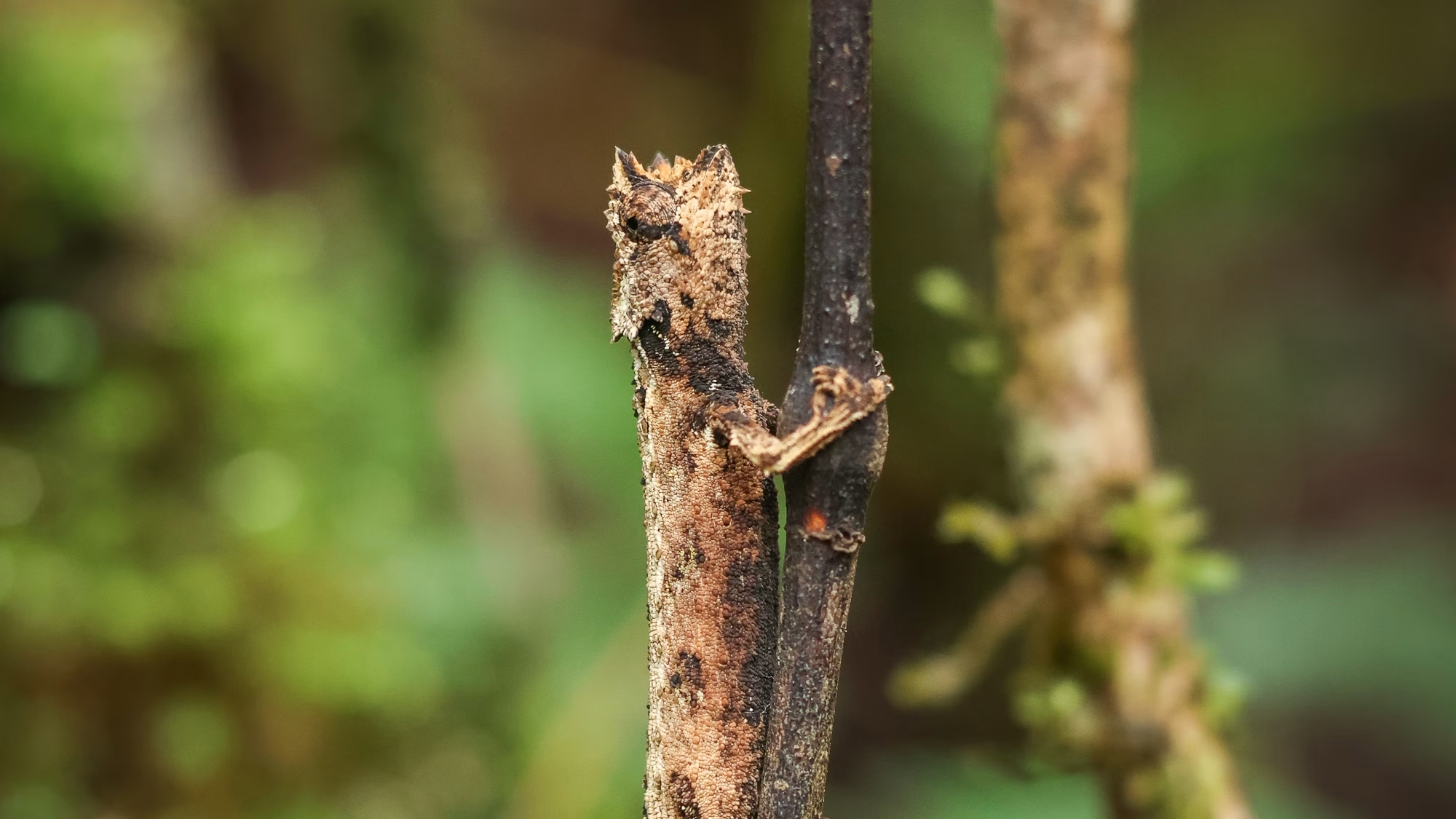
We also encountered Domergue’s leaf chameleons (Brookesia thieli), small yet sturdy-looking creatures with eyes that moved independently, scanning their surroundings. This little guy hardly moved, so I was able to take numerous photos of it in the same pose.
Another memorable experience was searching for globe-horned chameleons (Calumma globifer), which are classified as Endangered due to habitat destruction. Henri had spotted them the night before, so we had a rough idea of where to look. We found two, one of which was a vibrant bright green. I had seen a couple during a previous night-time adventure but was too overwhelmed to identify them properly. Watching the green chameleon slowly creep away while keeping an eye on me was both amusing and captivating.


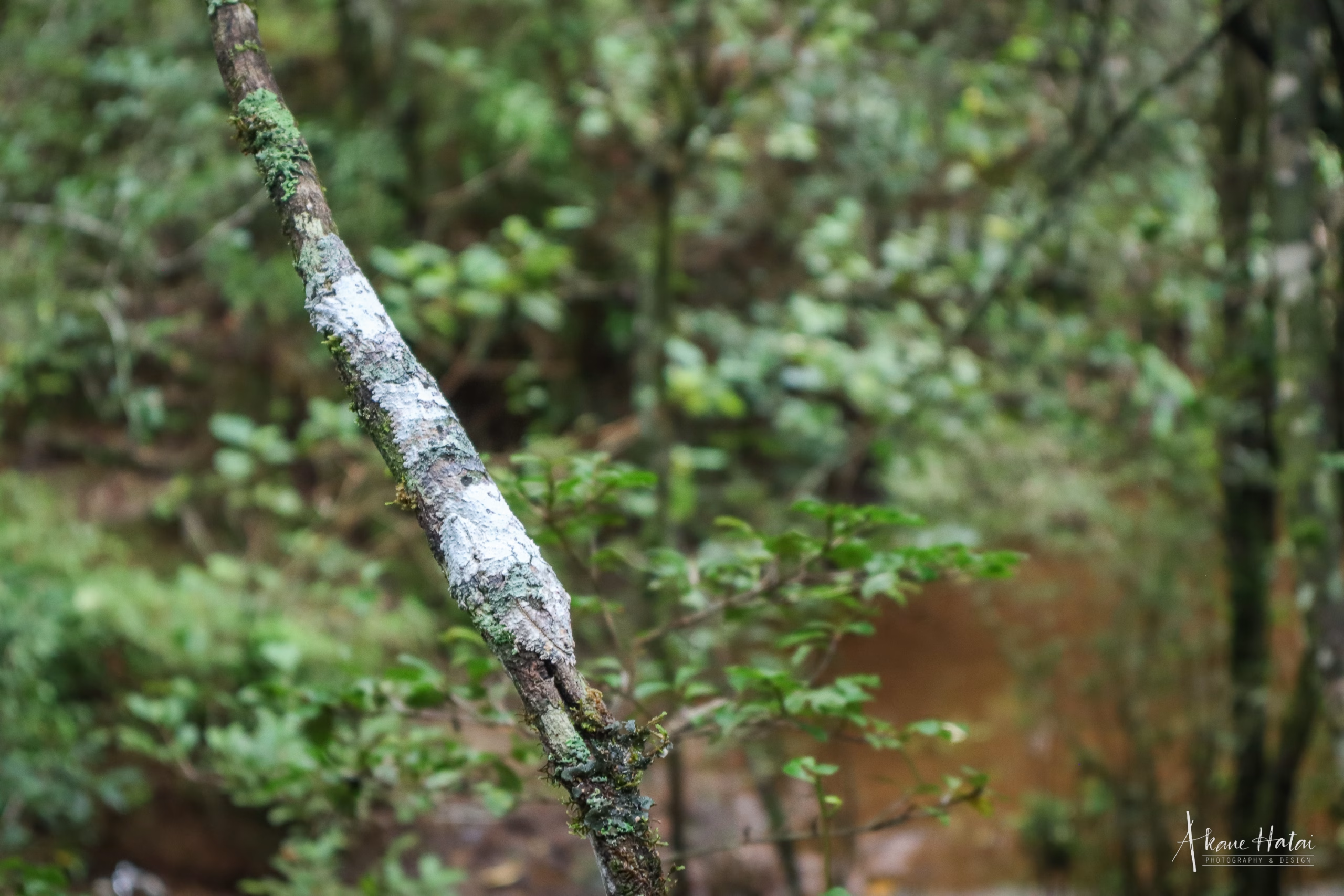
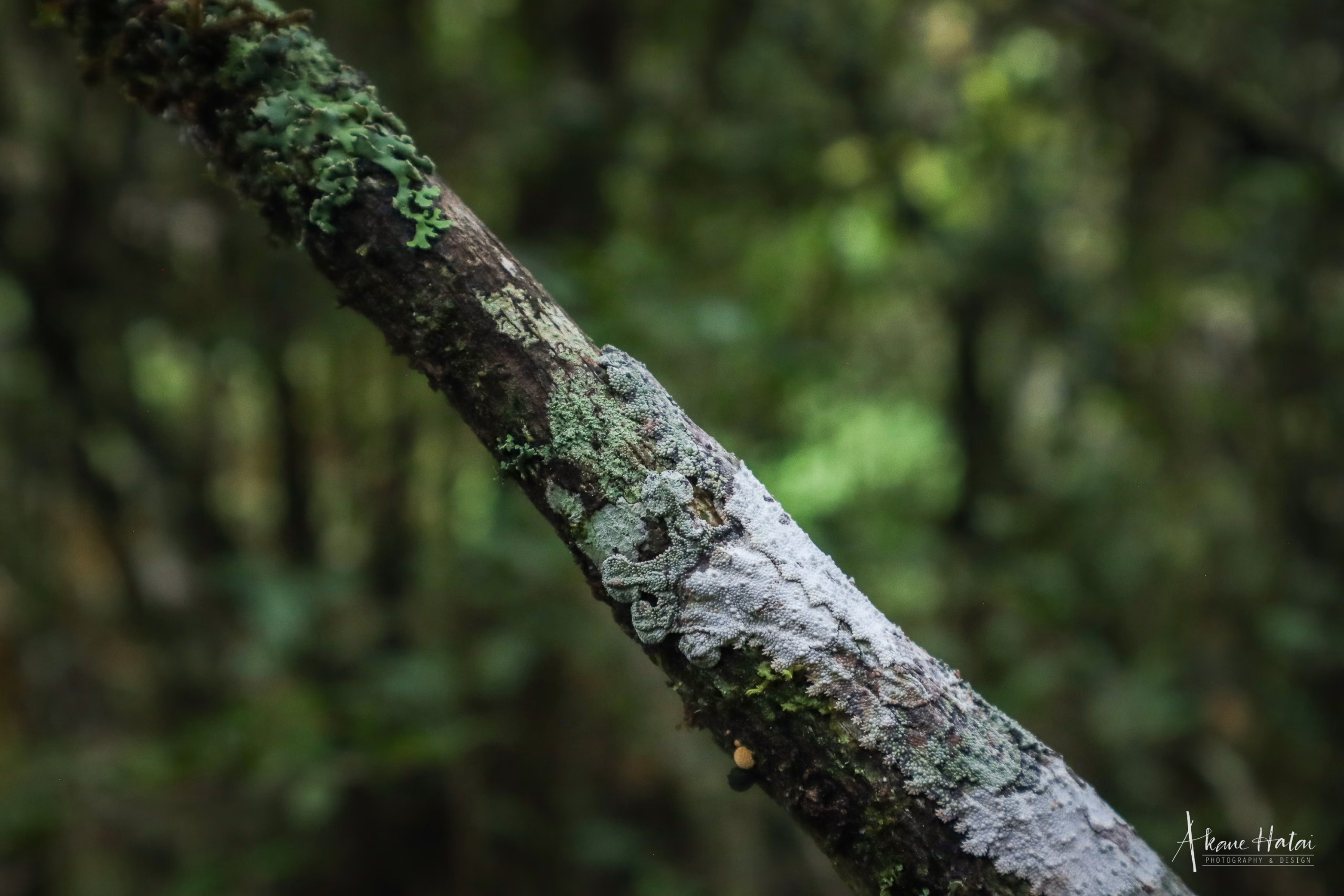
Later, Henri and our guide William introduced me to the mossy leaf-tailed gecko (Uroplatus sikorae), a creature so well-camouflaged it looked like part of the branch it rested on. I managed to take some photos, though they didn’t do justice to the gecko’s incredible camouflage. I was amazed at how Henri and his team could spot such well-hidden creatures in the dark—truly “magic Malagasy eyes.”

Below are some other reptiles I saw on my adventures!


Reforestation Efforts and Challenges
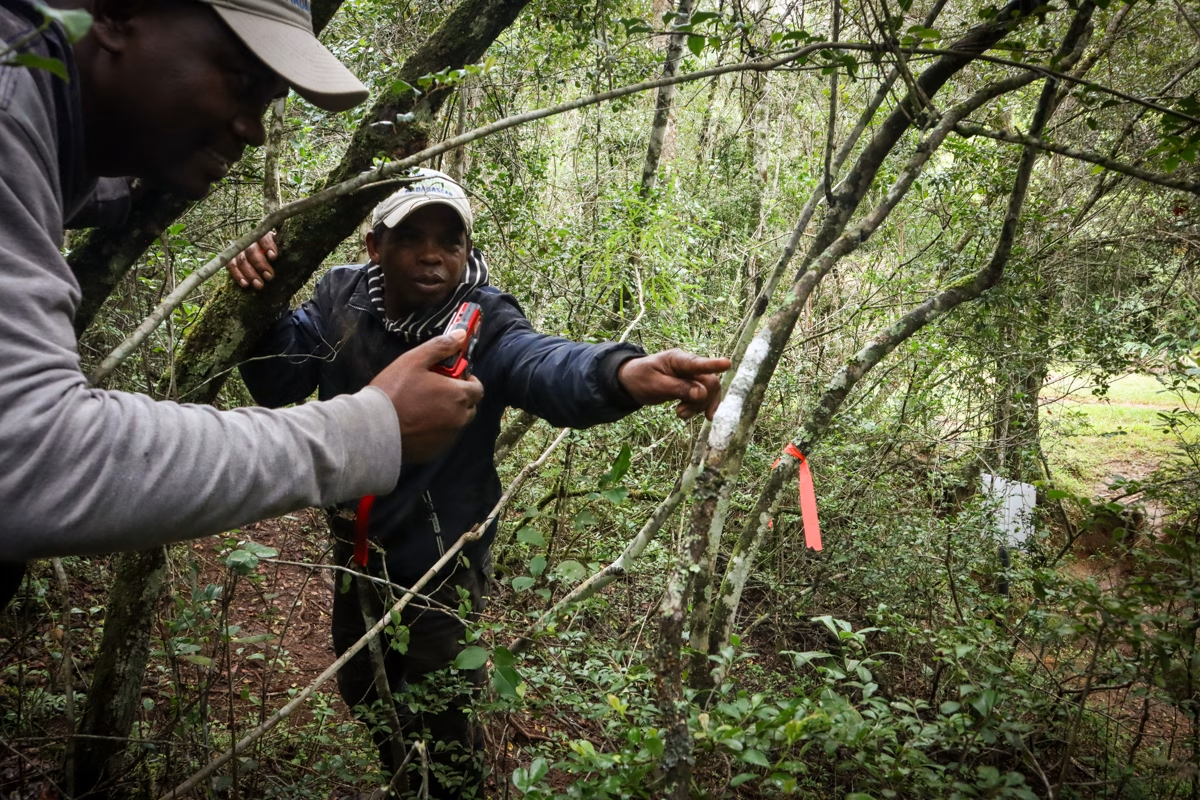
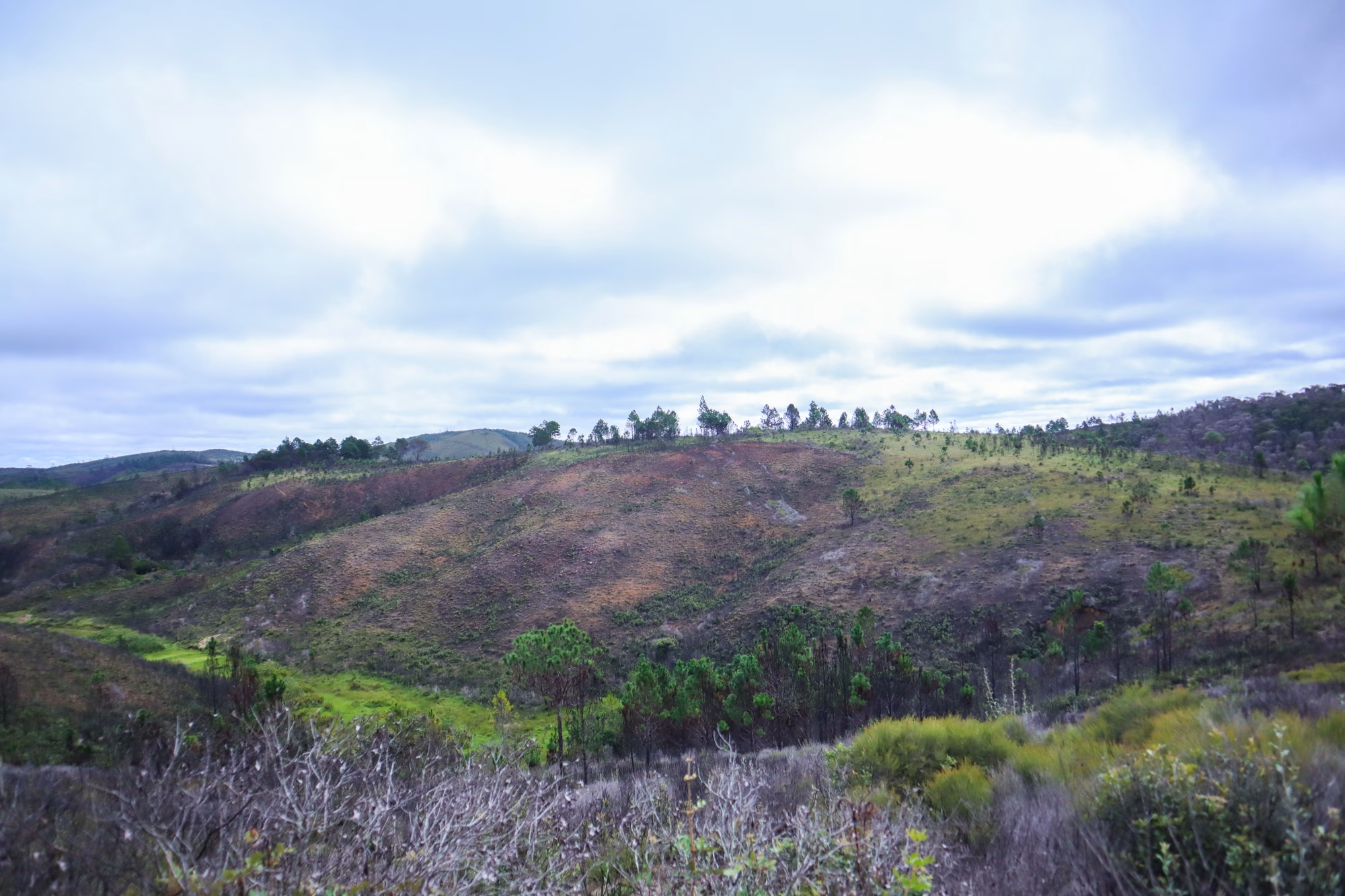
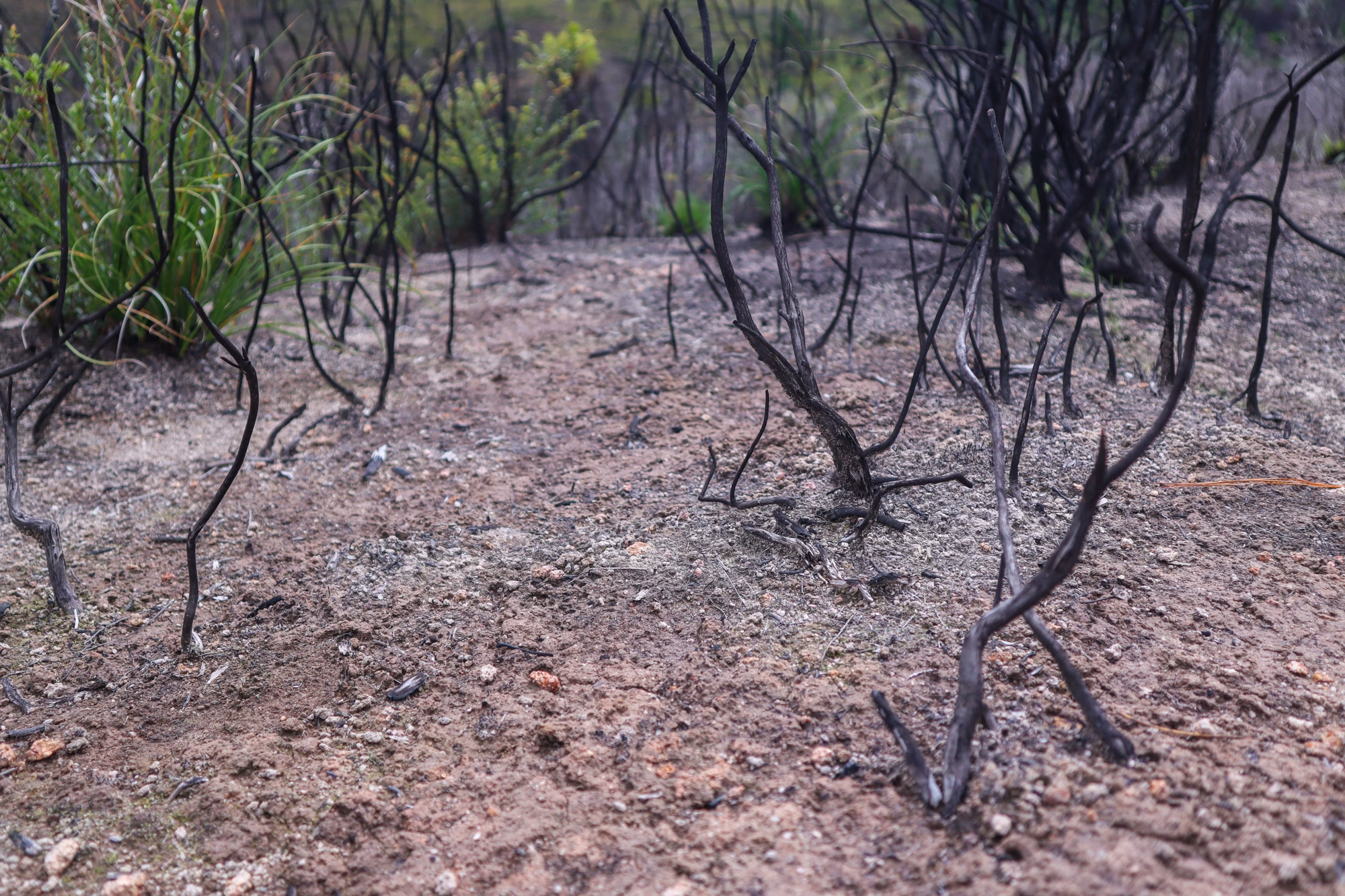
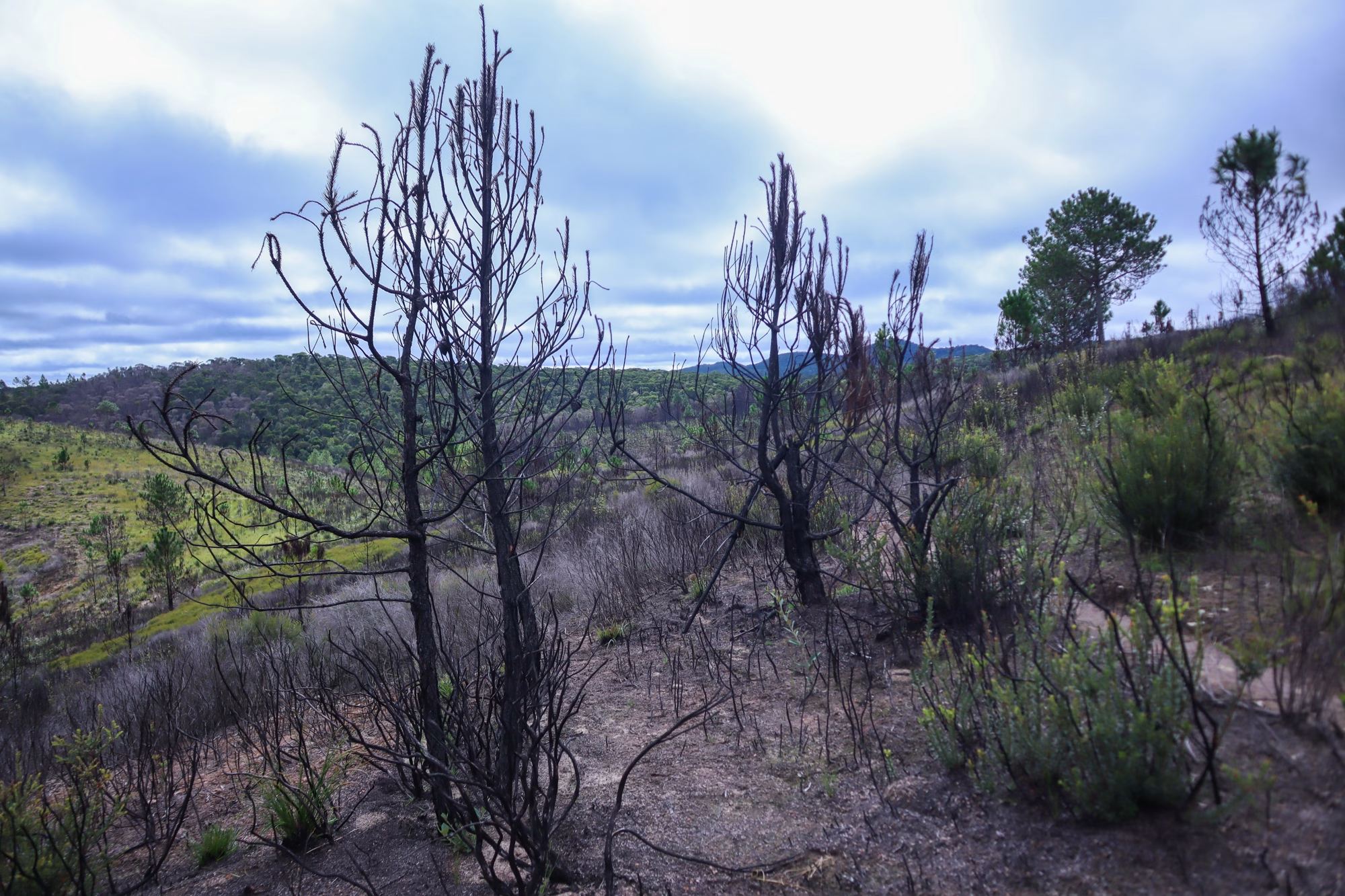
Our adventures also took us to areas affected by tavy, the traditional practice of burning and felling trees for charcoal production and rice cultivation. After a long hike, we arrived at a recently burned area, a vast expanse that once was a thriving forest. While some new growth was visible, the recovery process would be lengthy. This experience underscored the importance of our reforestation program, which aims to restore these degraded areas using native species from the rainforest.
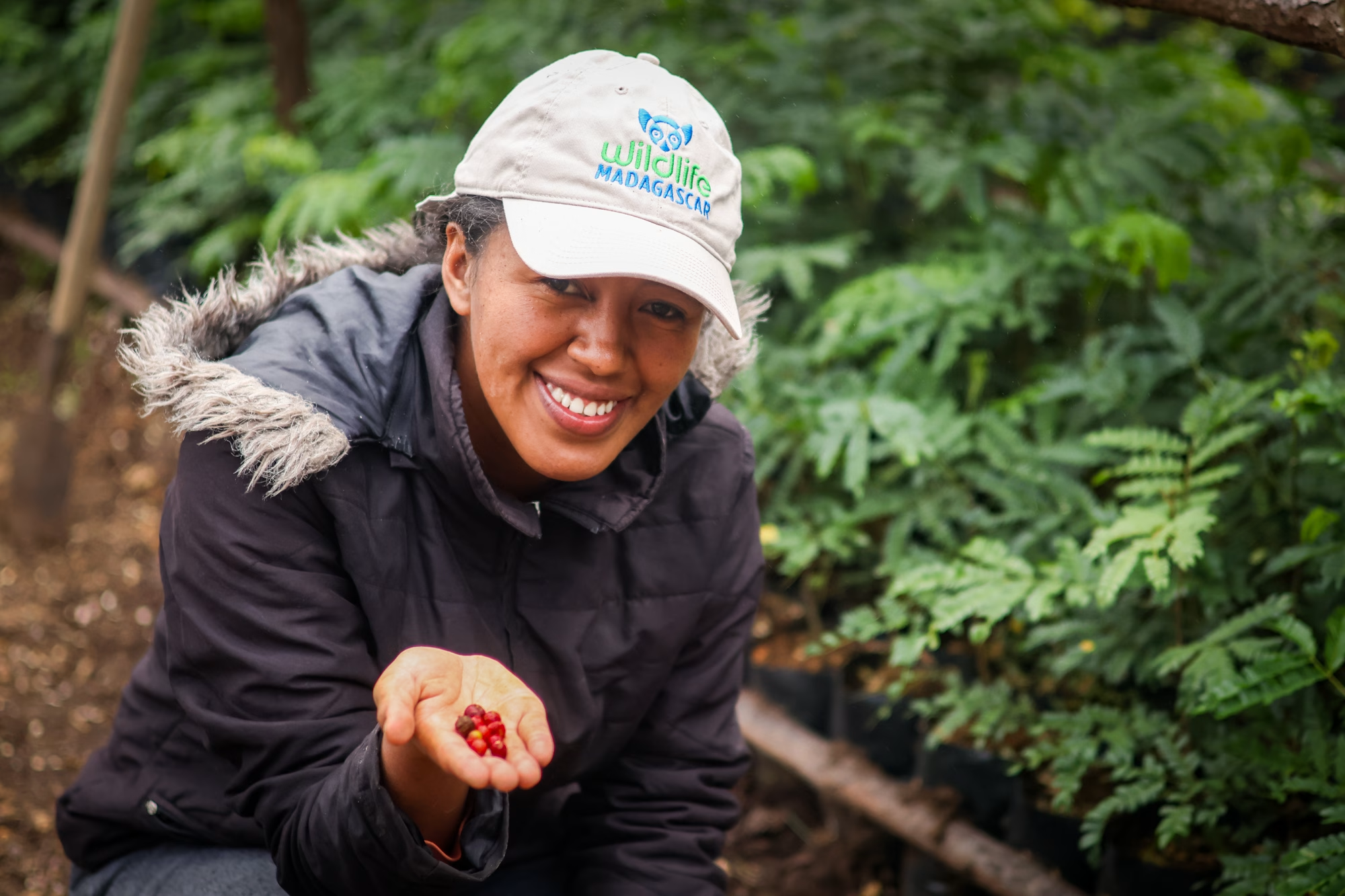
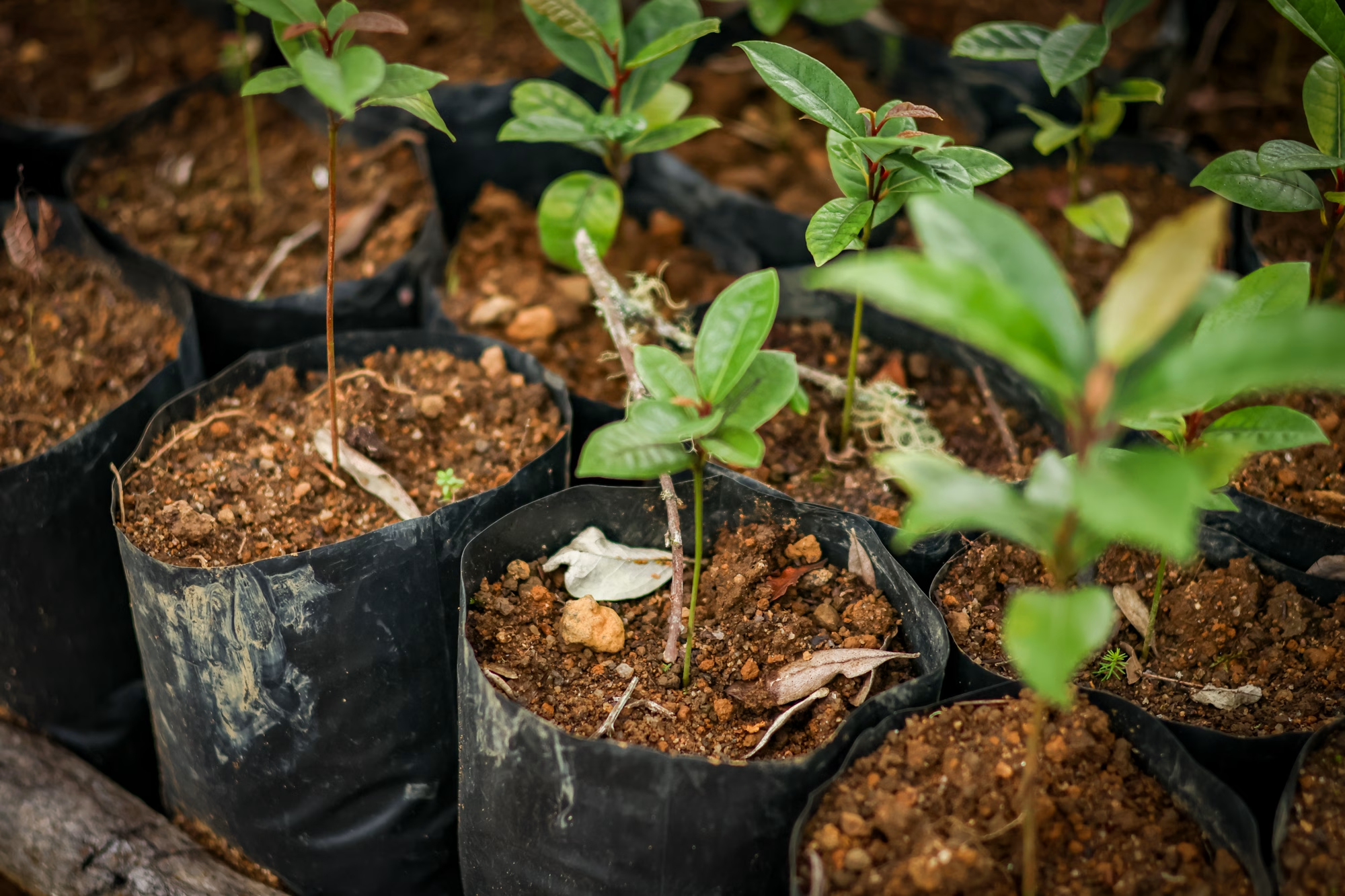
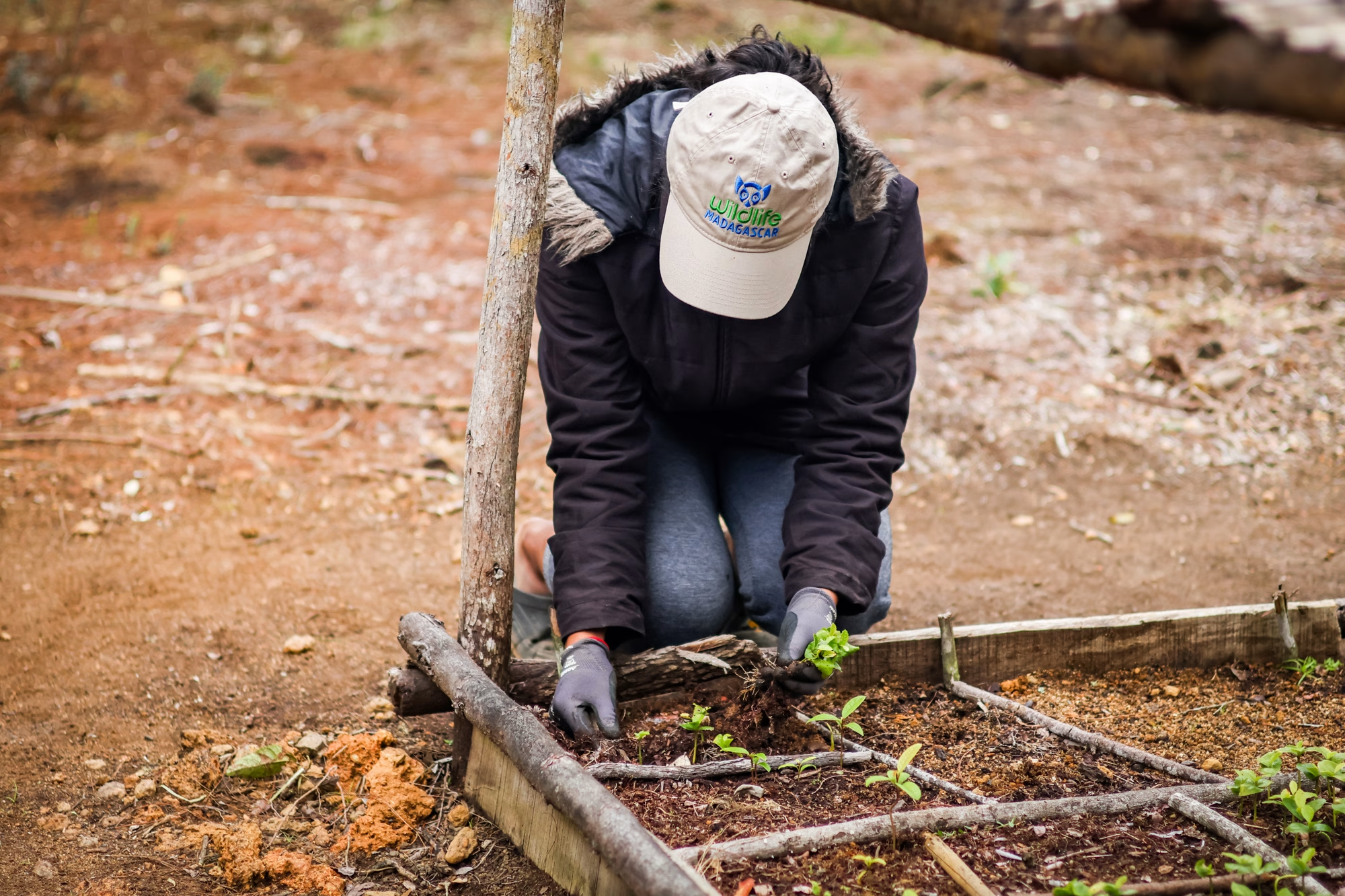
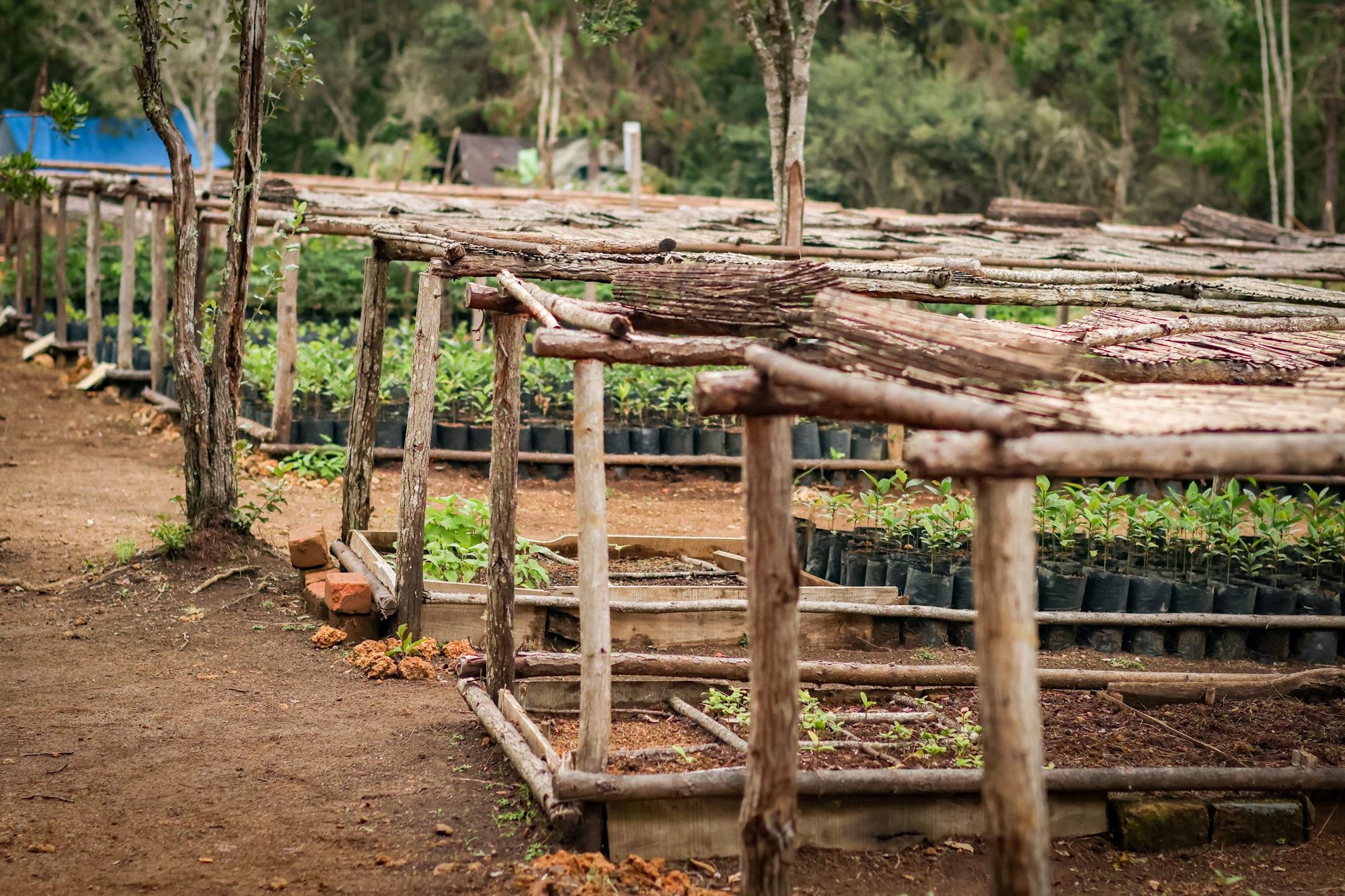
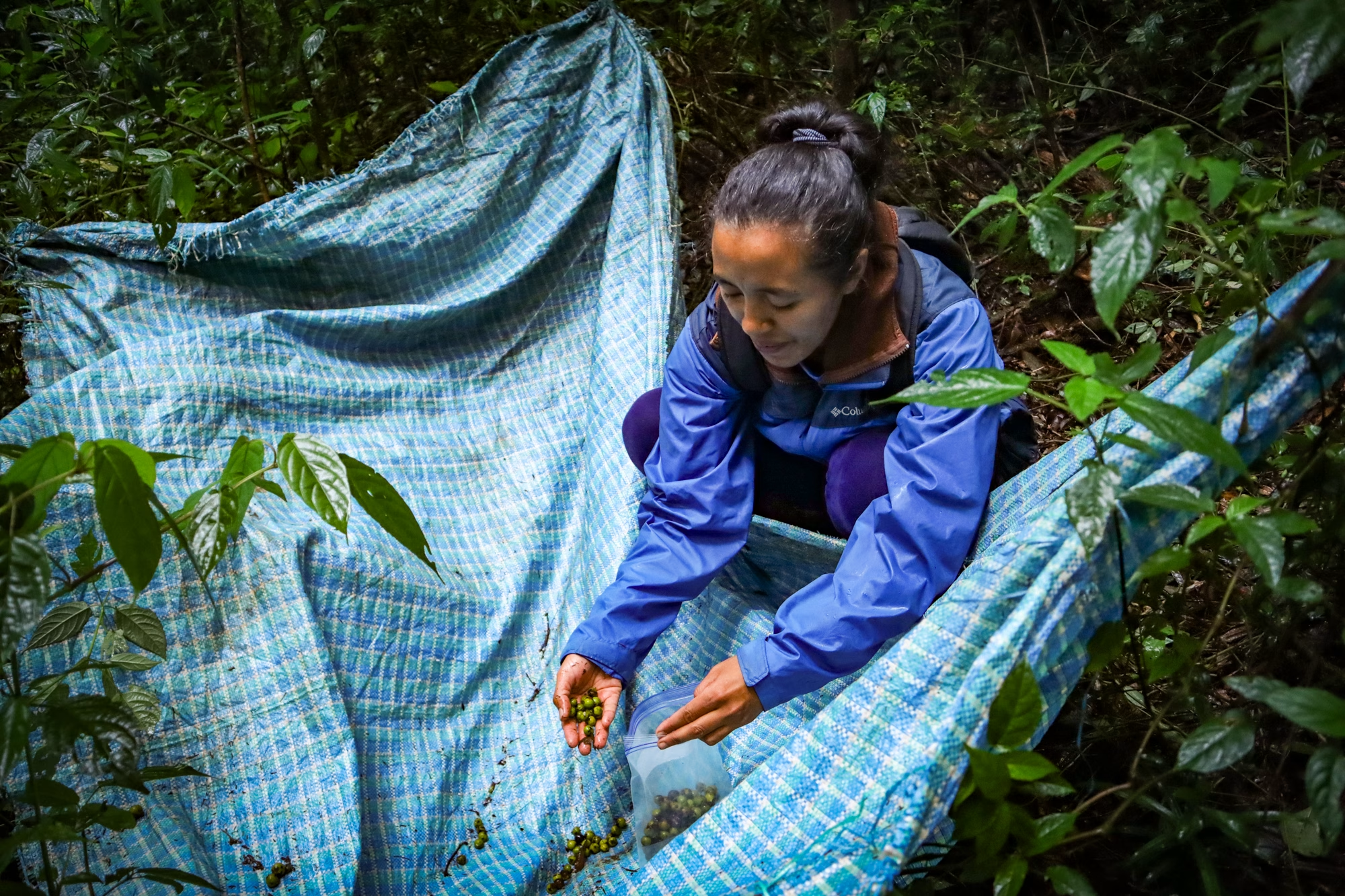
Which brings us to Domohina Randrianarisoa, Wildlife Madagascar’s Reforestation Specialist! I spent time with Domohina to see what she does in La Mananara. She manages the tree nursery next to the field station, a shaded space filled with native tree seedlings vital for restoring La Mananara forests.
Domohina carefully tends each seedling daily, monitoring growth, protecting them from pests, and ensuring they have the right conditions. These seedlings are the future forest—homes for reptiles, lemurs, and many other species.
The nursery’s goal is to restore ecological balance by growing a variety of native trees that support biodiversity and improve soil health. Local communities are involved in planting and caring for these trees once transplanted, promoting sustainable forest management and livelihoods.
Without nurseries like this and the dedication of people like Domohina, forest recovery would be much harder. Her work shows how reforestation, combined with community support, can help provide a future for Madagascar’s unique wildlife.