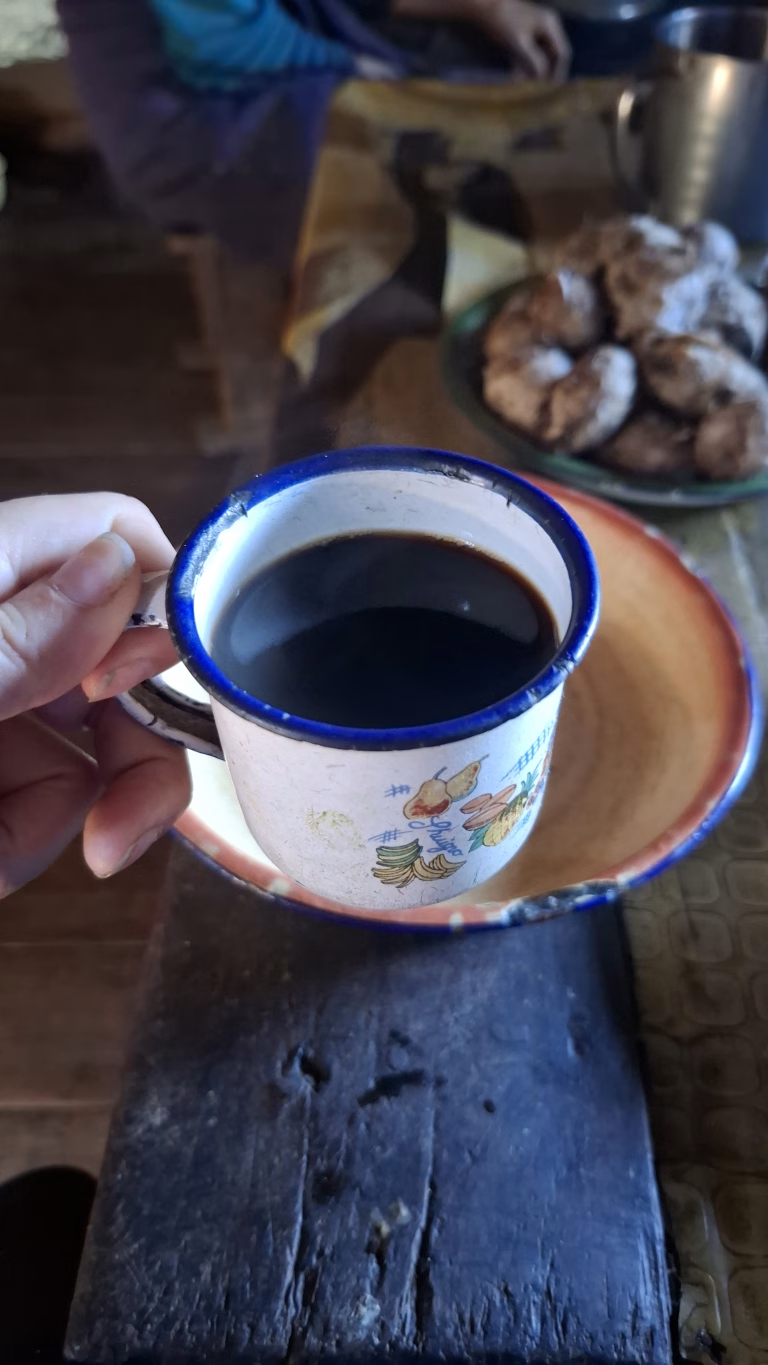
Coffee in Madagascar
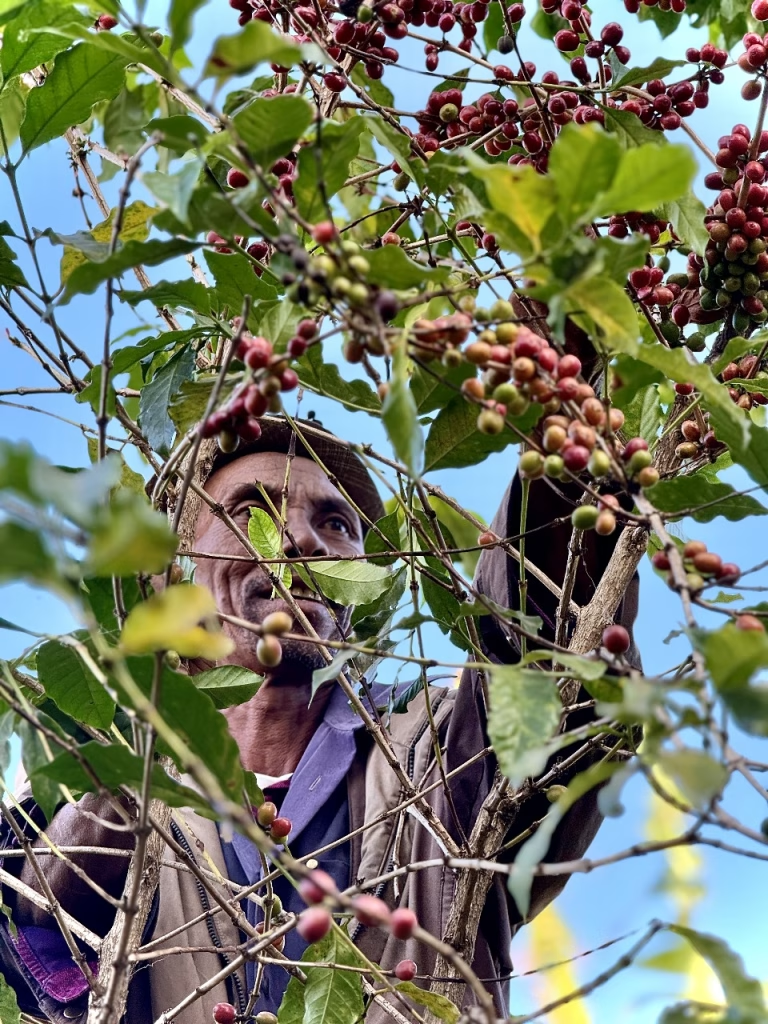
Madagascar has always been a land of extraordinary abundance, not just in wildlife but in the richness of what grows from its soil. For decades, coffee was one of the country’s most important crops. Throughout the 1960s, ’70s, and ’80s, families across the highlands and eastern rainforests relied on coffee harvests to support their homes, send children to school, and stay connected to the global economy.
But by the 1990s, everything changed. Global competition drove prices down, investment disappeared, and the sector collapsed. Trees aged out and died. Plantations were abandoned. And communities that once depended on coffee were left without a viable source of income.
Yet the land never lost its potential.
Madagascar still holds some of the finest, most distinctive Arabica and Robusta varieties in the world that are grown in volcanic soils, shaded by native canopy, and shaped by the island’s unique microclimates. But for nearly 30 years, very little Malagasy coffee ever reached consumers outside the country.
Today, thanks to our partner, that story is beginning to change.
A New Vision for Malagasy Coffee
Wildlife Madagascar is very proud to partner with Madagascar Coffee Company, an organization that shares our belief that conservation and livelihoods must grow together. They are helping rebuild Madagascar’s coffee sector from the ground up by focusing on a simple, powerful idea:
Coffee shouldn’t just be a commodity — it should be a relationship.
A relationship between farmers and the land.
Between communities and long-term prosperity.
Between customers and the people who grow what they drink each morning.
Their mission is to reshape the entire supply chain by building a model that is transparent, sustainable, and rooted in dignity. When farmers are supported, the land is respected, and customers know exactly where their coffee comes from, everyone benefits.
For farmers, this work provides a pathway to prosperity.
For customers, it offers a chance to be part of something much larger by supporting a system that transforms lives, landscapes, and futures from farm to cup.
For the Malagasy forest and its wildlife, it provides a way to renewal and long-term protection.
A Community and Conservation Story
There was a time when coffee anchored the rural economy. It kept families stable and kept forests standing. When the sector fell apart, the impact rippled through both people and nature. In many regions, former coffee parcels were cleared and converted to subsistence crops like rice, corn, and manioc, which are fast-growing staples that, unfortunately, require sun, not shade.
When the shade trees disappeared, so did the wildlife. We believe coffee can help reverse that cycle.
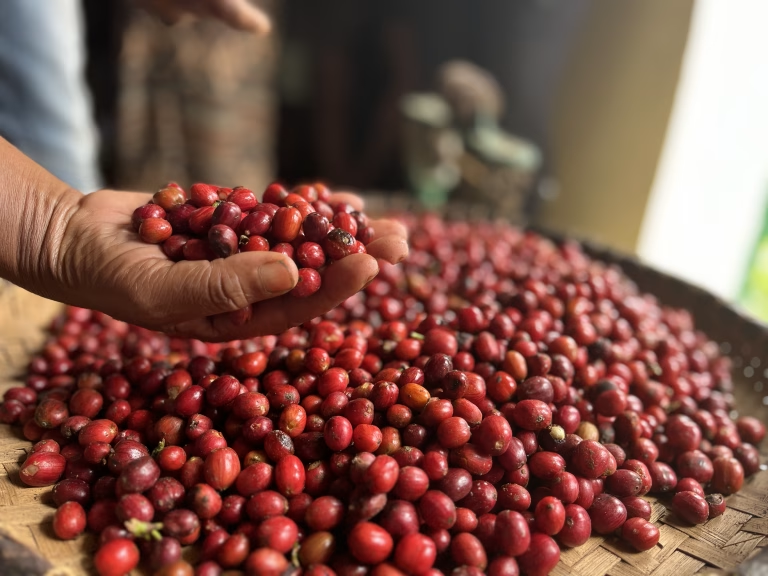
Today, Madagascar Coffee Company is rebuilding the sector by focusing on three pillars that align perfectly with Wildlife Madagascar’s values.
1. Providing fair and stable prices for farmers
Farmers receive a reliable, dignified price for their coffee cherries. The price reflects the hard work, skill, and time required to grow high-quality beans. This stability allows families to plan, invest in their homes, and keep children in school.
2. Offering training, seedlings, and long-term support
High-quality coffee requires careful cultivation. Our partner provides seedlings, agricultural training, and hands-on support to help farmers increase both yield and quality. Better coffee means better income. Better income means healthier families, stronger communities, and protected forests.
3. Featuring forest-friendly farming
Coffee thrives under shade, which means it thrives with the forest, not in place of it. Farmers are asked to plant native canopy trees, fruit trees, and spices — including vanilla, cinnamon, and cloves. These mixed agroforestry systems restore degraded soil, support biodiversity, improve water systems, and provide families with multiple sources of income.
This forest-friendly approach keeps trees standing, wildlife protected, and communities resilient.
A Partnership with Purpose
We are partnering with Madagascar Coffee Company because their model aligns with the values and mission of Wildlife Madagascar.
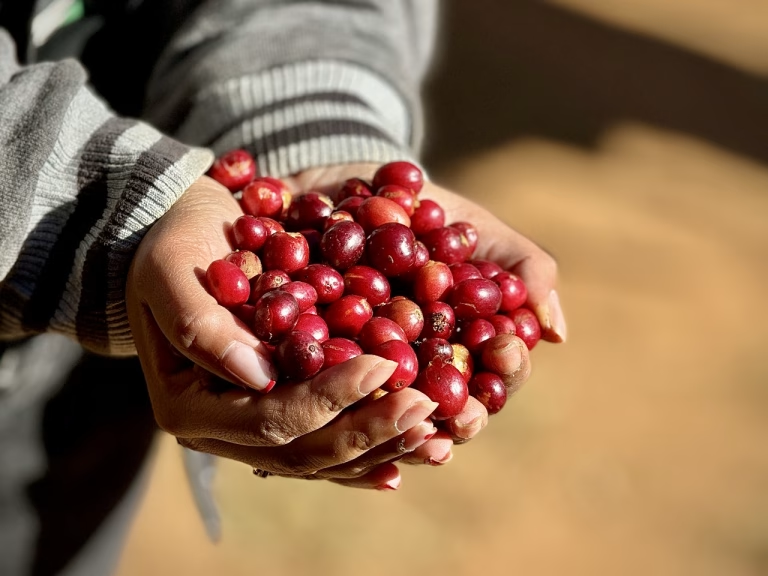
1. A growing network of local farmers
They are not creating a system from above but instead investing in relationships with farmers who know the land better than anyone.
2. Guaranteed crop purchase at agreed-upon prices
Farmers know exactly what they will earn at harvest, eliminating uncertainty and protecting families from volatile global markets.
3. Investment in agricultural outreach
From improving processing techniques to helping farmers rejuvenate old plots, they are committed to long-term improvements in both quantity and quality.
4. Partnerships with U.S. specialty roasters
High-quality Malagasy coffee is finally reaching the global stage. These partnerships increase demand, elevate farmer income, and bring Madagascar’s story to new audiences.
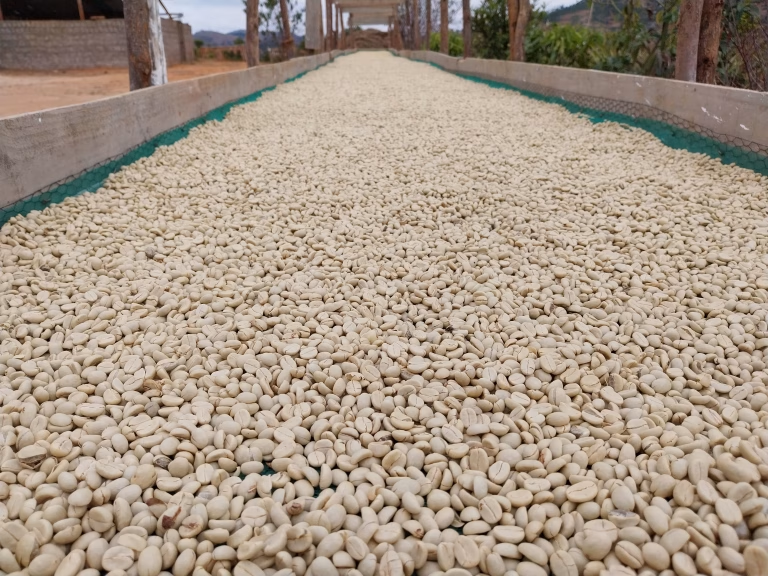
It is rare to find a partner whose mission advances conservation, livelihoods, and dignity all at once.
We are honored to build this future together.
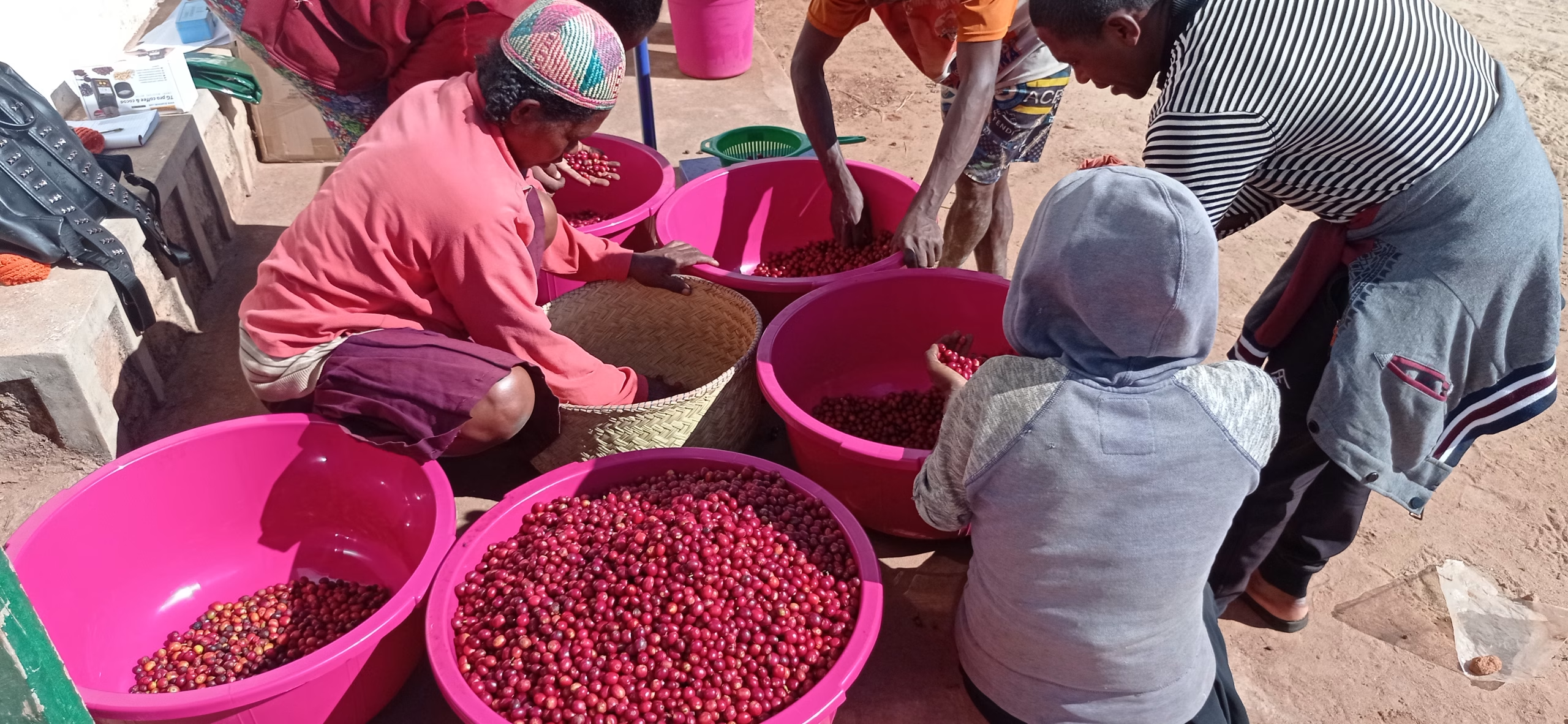
Where Madagascar’s Coffee Comes from
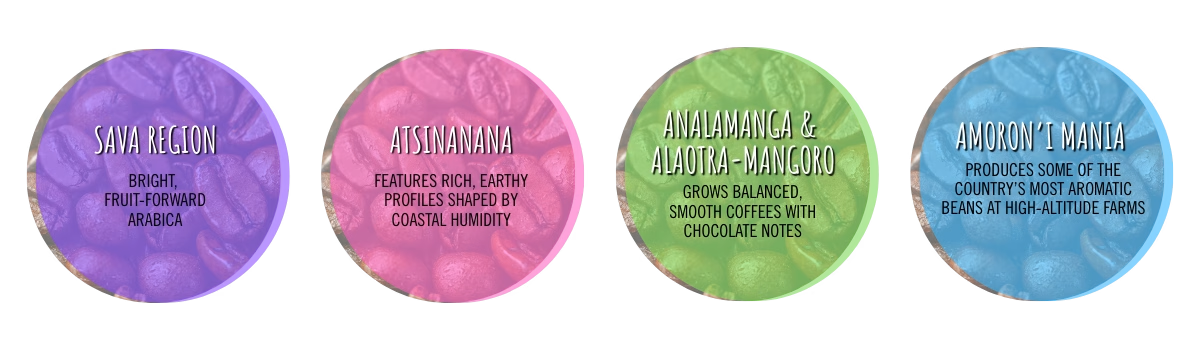
Madagascar’s finest coffee grows along its eastern rainforest corridor and in the highlands, where cool temperatures and volcanic soils create exceptional flavor.
Regions such as:
And within a few years…
it will come from La Mananara.
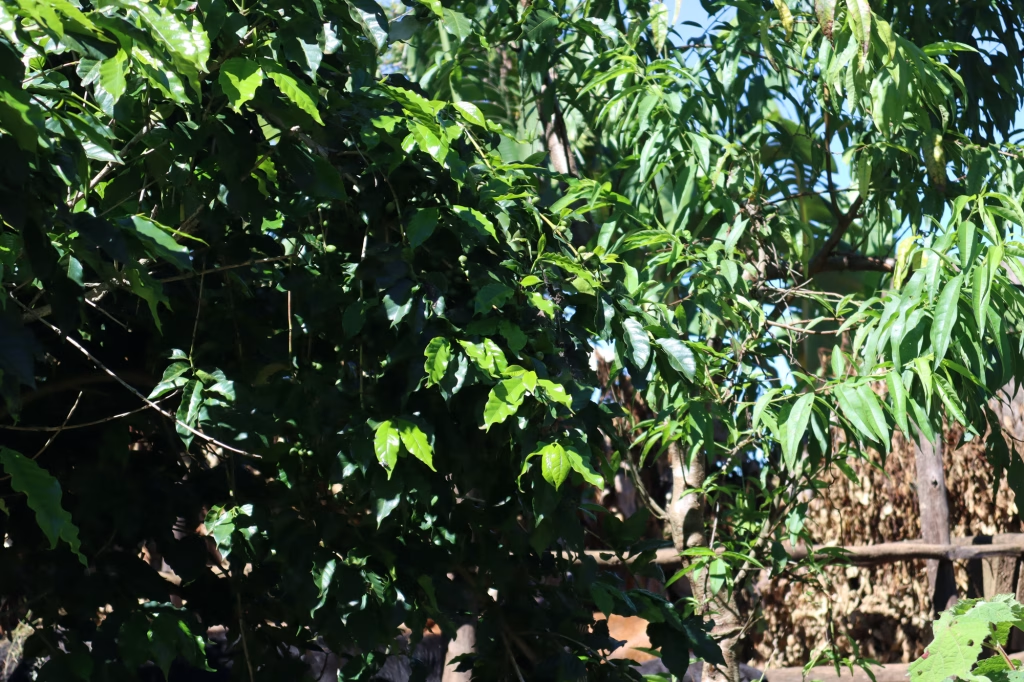
Our reforestation nurseries at La Mananara are already cultivating native shade trees that will support future coffee production. These trees are grown from the seeds of La Mananara trees and grow in harmony with the forest.
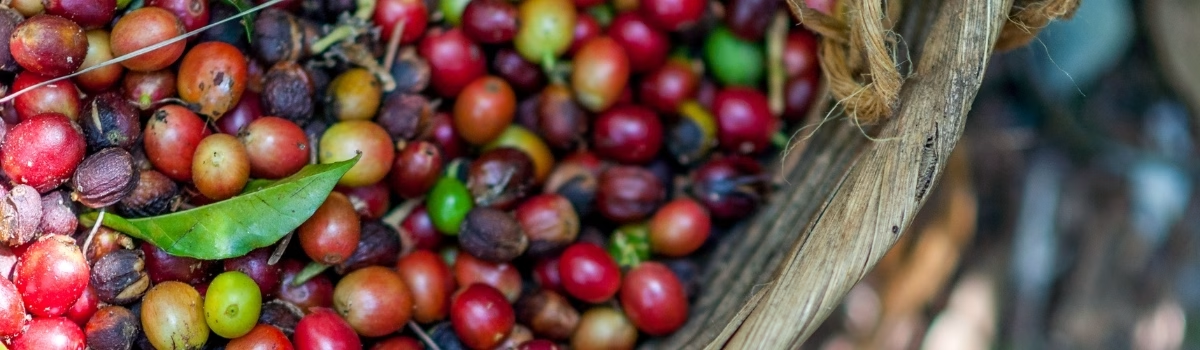
Our Next Steps
2025 marked the launch of our partnership and the beginning of an exciting new chapter for our work. Our first milestone was co-branding a special Arabica coffee with Madagascar Coffee Company, which will give our members, donors, and friends a simple, meaningful way to support our work through their daily cup. 100% of the profits from Wildlife Madagascar’s sales of this coffee will go directly back to Madagascar to fund our programs, from patrols and research to agricultural training.
The next step is planting our first coffee trees at La Mananara as a pilot project. These trees will help us understand the specific growing conditions coffee requires at our field site. This work will guide our long-term plan for cultivating a variety that supports both the land and local communities. It will also provide us with time for the Madagascar Coffee Company team to train our staff, so that we may train the local farmers.
Looking ahead, we will launch a stunning, Madagascar-inspired coffee bag design—a tribute to the island’s beauty and the conservation work happening across our field sites. As we nurture our pilot coffee trees, we will refine our long-term strategy to cultivate a variety that flourishes at La Mananara.
Our vision is bold: to produce a one-of-a-kind coffee grown at La Mananara that protects forests, supports communities, and fuels our conservation mission for years to come.
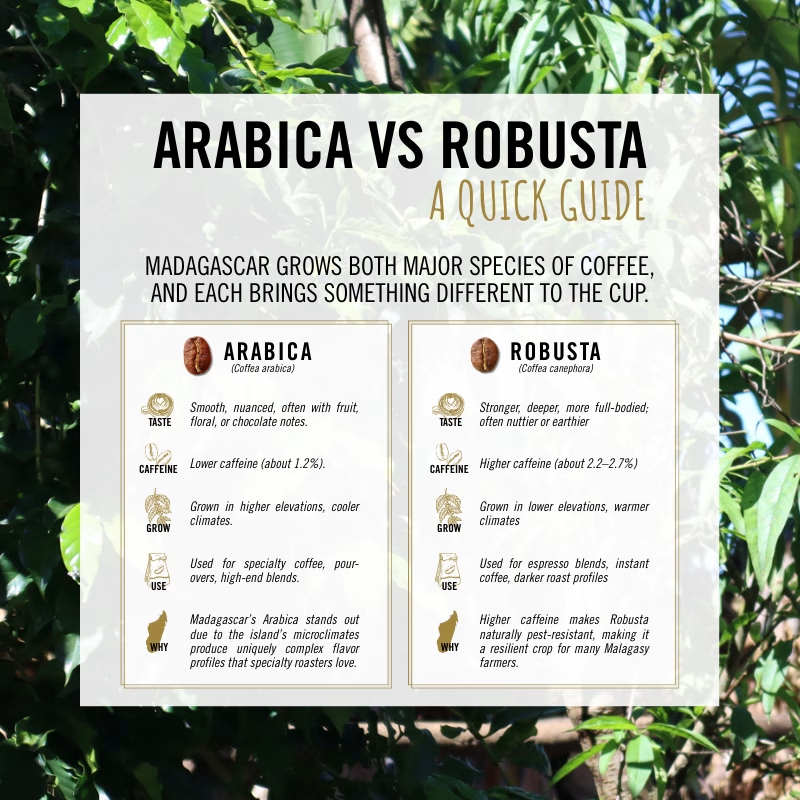
Together, Arabica and Robusta give Madagascar the potential to once again become a serious contributor to the global coffee landscape. This time, the business will be built through a system of fairness, dignity, and sustainability.
A Future We Can Grow Together
Coffee has the power to change lives and to stabilize families, protect forests and wildlife, and create new opportunities for communities who have been left behind for far too long.
Our partnership with Madagascar Coffee Company blends conservation, livelihoods, and long-term sustainability in a way that stays true to Wildlife Madagascar’s core values.